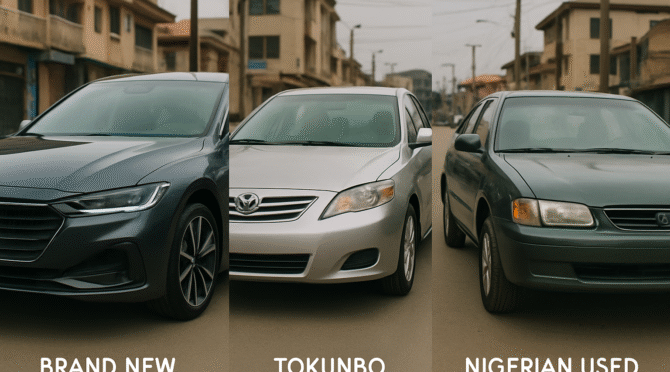
Buying a car in Nigeria is a significant investment, whether it’s a brand-new vehicle or a reliable ‘Tokunbo’ (foreign used) car. With a dynamic market influenced by various factors, timing your purchase can lead to substantial savings and better deals. This comprehensive guide will delve into the seasonal trends, economic considerations, and special promotional periods that define the Nigerian automotive landscape, helping you pinpoint the best time to make your next car purchase.
Nigeria’s automotive market is unique, characterized by a high demand for both new and, predominantly, used vehicles. The influx of imported used cars, primarily from regions like North America and Europe, plays a crucial role in shaping market dynamics. Understanding these nuances is key to navigating the market effectively and securing a favorable deal. From the bustling showrooms of Lagos to the online marketplaces connecting buyers and sellers nationwide, the quest for the perfect car at the right price is a journey many Nigerians embark on. By aligning your buying strategy with market rhythms, you can transform a potentially stressful purchase into a smart, well-timed acquisition.
Understanding the Nigerian Car Market
The Nigerian automotive sector is a vibrant, albeit complex, ecosystem. It stands as Africa’s largest car market, driven by a population with a growing middle class and an increasing need for personal and commercial transportation. Annually, the demand for vehicles in Nigeria hovers around 720,000 units. However, local production significantly lags, supplying only a small fraction of this immense demand [3]. This disparity means the market heavily relies on imports, particularly for used vehicles.
The Dominance of ‘Tokunbo’ Cars
The term ‘Tokunbo’ refers to foreign-used cars, and these vehicles form the backbone of Nigeria’s automotive market. They are primarily imported from countries such as the United States, Canada, and European nations, offering a more affordable alternative to brand-new cars. The popularity of ‘Tokunbo’ cars is due to their affordability, durability, and the relative ease of maintenance, given the availability of spare parts for popular models. Toyota, Honda, and Nissan are consistently among the most sought-after brands in this segment, with models like the Toyota Camry and Corolla being ubiquitous on Nigerian roads [19].
Economic Influences on Car Prices
Car prices in Nigeria are highly susceptible to various economic factors. The exchange rate between the Nigerian Naira and major international currencies, particularly the US Dollar, plays a pivotal role. Fluctuations in the exchange rate directly impact the cost of imported vehicles, making them more or less expensive for local buyers. Inflation also contributes to price volatility, eroding purchasing power and influencing consumer decisions. Furthermore, government policies related to vehicle importation, tariffs, and duties can significantly alter market prices and availability. Understanding these economic undercurrents is crucial for any prospective car buyer in Nigeria.
Seasonal Trends and Deals: Timing Your Car Purchase
Timing is everything when it comes to securing the best deal on a car in Nigeria. Certain periods of the year consistently offer more favorable conditions for buyers, driven by dealership strategies, import cycles, and cultural events.
The End-of-Year Rush: November and December
Without a doubt, the period leading up to and including December, often referred to as the ’ember’ months (September, October, November, December), stands out as the prime time to buy a car in Nigeria [6]. Dealerships, both for new and used cars, are keen to meet annual sales targets and clear out current year inventory to make way for new models. This creates a buyer’s market where discounts, promotions, and attractive financing options are more prevalent. You can expect to find:
•Significant Discounts: Dealers are motivated to offer price reductions to move vehicles off their lots before the year ends.
•Promotional Bundles: Added incentives like free servicing, extended warranties, or accessories might be included.
•New Model Clearance: If you’re looking for a new car, this is an excellent time to get a deal on the outgoing model year as new models are introduced.
Many dealerships, including major players like JAC Motors and Toyota by CFAO, actively promote
their “End of Year Deals” during this period [1, 2].
Festive Seasons: Easter, Sallah, and Other Holidays
Beyond the end-of-year push, major festive seasons in Nigeria often trigger special sales and promotions from car dealers. These holidays are periods of increased consumer spending and celebration, and dealerships capitalize on this by offering enticing deals. Keep an eye out for promotions around:
•Easter: A significant holiday that often sees a surge in commercial activities.
•Sallah (Eid al-Fitr and Eid al-Adha): These Islamic holidays are widely celebrated and can be accompanied by special offers.
•Other Public Holidays: Occasionally, other public holidays might also be used by dealerships to launch short-term sales campaigns.
The Rainy Season: April to October
The rainy season in Nigeria, typically from April to October, presents a unique set of considerations for car buyers. While not traditionally a period for widespread car sales, some dealerships might offer specific promotions, particularly for vehicles well-suited to challenging road conditions. SUVs and vehicles with higher ground clearance might see increased demand, and corresponding deals could emerge. More commonly, the rainy season is a time when car parts and servicing promotions are more prevalent, as vehicle owners prepare their cars for the wet weather [1, 2, 3]. However, if you are in the market for a robust vehicle, some sellers might be more flexible with pricing during this period to encourage sales.
Beginning of the Year: January and February
Following the intense sales period of December, January and February can be a quieter time in the Nigerian car market. Dealerships might be looking to clear any remaining previous-year inventory, and with fewer buyers in the market, there could be more room for negotiation. If you missed out on the December deals, the early months of the new year could still offer opportunities for a good bargain, especially on models that didn’t sell out during the festive rush.
Mid-Year: June and July
Some market insights suggest that June can be a peak import season for vehicles into Nigeria. An increase in supply can sometimes lead to more competitive pricing as sellers aim to move inventory quickly. While not as consistently promotional as the end-of-year period, it’s worth monitoring the market during these months for potential deals, especially on newly arrived stock [2].
Practical Tips for Car Buyers in Nigeria
Beyond timing your purchase, several other factors can influence your car buying experience and help you secure the best possible deal in Nigeria.
1. Do Your Research Thoroughly
Before stepping into a dealership or contacting a seller, research the specific car models you are interested in. Understand their market value, common issues, and availability of spare parts in Nigeria. For used cars, investigate the vehicle’s history, including accident records and previous ownership, if possible. Online platforms and automotive forums can be invaluable resources for gathering information and comparing prices.
2. Set a Realistic Budget
Determine not just the purchase price, but also the total cost of ownership, including registration, insurance, maintenance, and potential repairs. Be realistic about what you can afford and stick to your budget to avoid financial strain. Remember that the initial purchase price is only one component of owning a car.
3. Inspect the Vehicle Meticulously
Especially for used cars, a thorough inspection is non-negotiable. If you are not mechanically inclined, hire a trusted mechanic to inspect the car before purchase. Check the engine, transmission, brakes, tires, and electrical systems. Pay attention to any signs of rust, body damage, or previous repairs. A test drive is crucial to assess the car’s performance and handling [5].
4. Negotiate Effectively
Car prices in Nigeria are often negotiable. Don’t be afraid to haggle for a better deal. Be confident, informed, and willing to walk away if the price isn’t right. Leverage any market information you have, such as competitor pricing or seasonal trends, to strengthen your negotiation position [4].
5. Consider the Impact of Road Conditions
Nigeria’s road infrastructure can be challenging, with many roads prone to potholes and flooding, especially during the rainy season [1, 2, 3, 4]. When choosing a car, consider its suitability for local road conditions. Vehicles with higher ground clearance and robust suspension systems might be more practical for everyday use.
Conclusion
Buying a car in Nigeria is a significant decision that can be optimized by understanding market dynamics and seasonal trends. While the end-of-year festive season often presents the most lucrative deals, opportunities also arise during other holidays, the rainy season, and the beginning of the year. By combining strategic timing with thorough research, meticulous inspection, and effective negotiation, you can navigate the Nigerian car market with confidence and drive away with the best possible deal. Happy car hunting!
References