If you want a big, tough SUV in Nigeria, two Toyota names come up again and again: the Land Cruiser Prado and the Fortuner. Both look strong, both carry the Toyota badge, and both can handle our roads. But they are built with different ideas, and the right one for you depends on your budget, your daily routes and how much you care about comfort and features. This guide explains the Toyota Prado vs Fortuner question in plain English so you can decide with confidence.
The Short Version
The Prado is the more premium, more feature-rich SUV with a strong off-road reputation. It usually costs more to buy and often more to maintain. The Fortuner is simpler, is built on the same basic idea as the Toyota Hilux pickup, and is often cheaper to run. The catch is that fewer used Fortuners may be available in Nigeria, so you may need to search longer.
Meet the Two SUVs
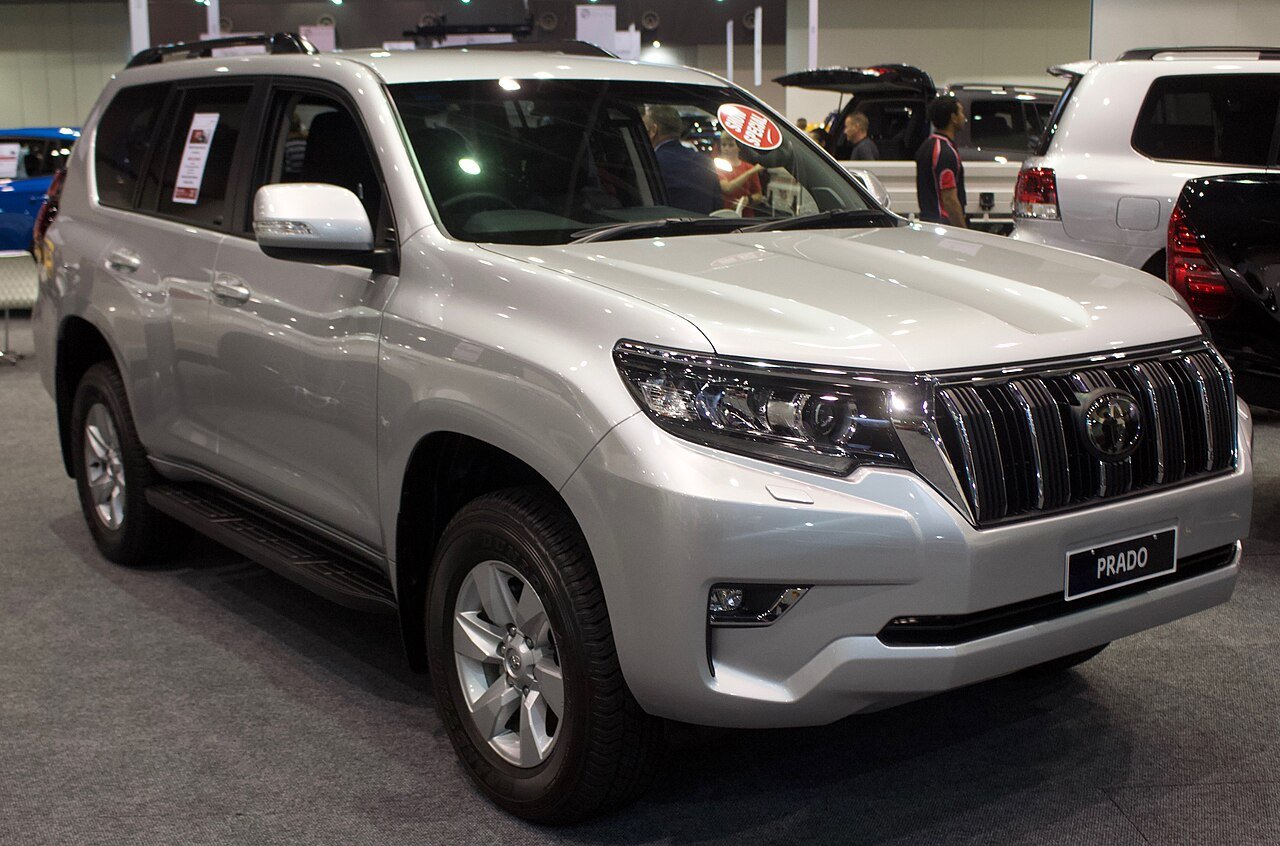
Toyota Land Cruiser Prado
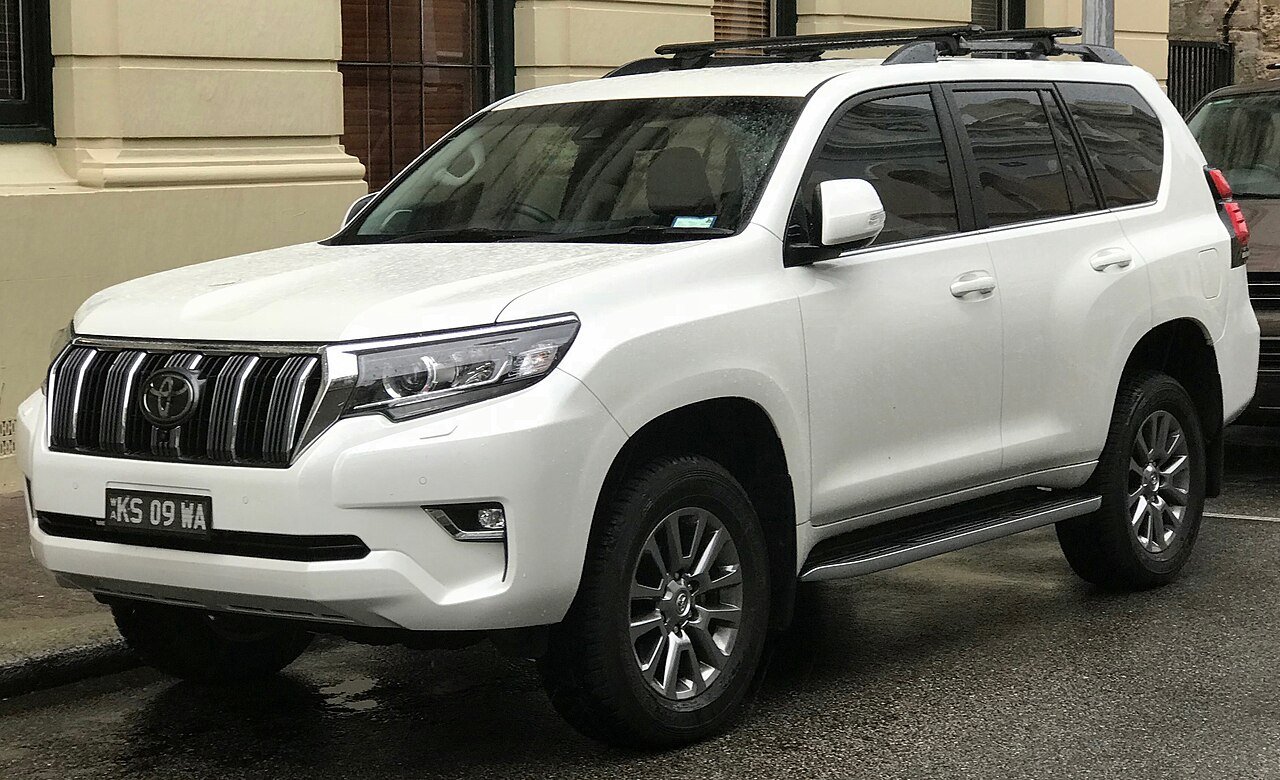
The Prado is the smaller sibling of the full-size Land Cruiser. It has a long reputation for toughness, a solid body-on-frame build and a cabin that feels upmarket. Many Nigerians see it as a status SUV that also works hard. You will find it with leather seats, advanced driving aids and extra comfort features, depending on the model year and trim.
Toyota Land Cruiser Prado VX (2018 model shown). Photo: Wikimedia Commons (see the file page for author and licence).
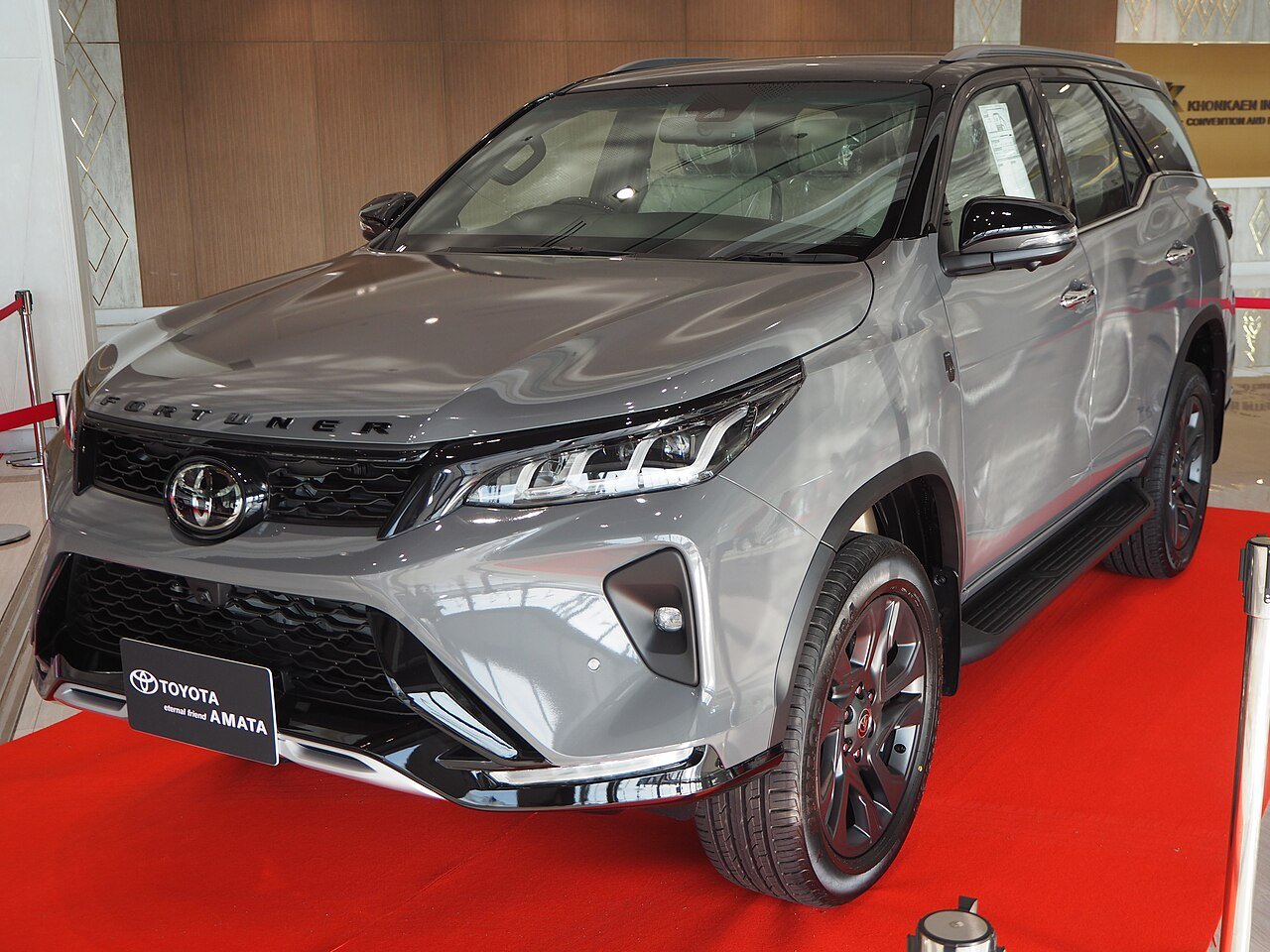
The Fortuner shares its basic engineering approach with the Hilux pickup, which is one of the most trusted work vehicles on Nigerian roads. It is a seven-seat SUV with a rugged feel and a more straightforward cabin. It does not try to be as luxurious as the Prado, but it aims to be dependable and easy to live with.
Toyota Fortuner Legender (2022 model shown). Photo: Wikimedia Commons (see the file page for author and licence).
This is where the Prado usually pulls ahead. Its cabin tends to feel more refined, with better materials, more features and a smoother, more relaxed ride on long trips. If you spend hours in traffic or travel between cities often, that extra comfort matters.
The Fortuner is comfortable enough for most families, but its cabin is generally more basic. Because it shares ideas with a pickup, some owners notice a firmer ride, especially on rough surfaces or when the car is lightly loaded. Exact comfort will vary by year and trim, so always test drive before you commit.
Space and Practicality
Both SUVs are designed for families and can offer seven seats in many versions. The practical question is how you will use the space:
Daily family use: Both work well. Check the third row yourself, as it is best for children or short trips rather than tall adults on long journeys.
Luggage: With the third row up, boot space is limited in either SUV. Fold the seats if you need to carry more.
Driver and passenger comfort: Sit in the back seats of each car. Legroom and seat support are easy to judge in person.
Bad Roads and Off-Road Ability
Nigerian roads can be rough, flooded or full of potholes, so this matters. Both SUVs sit high, have strong body-on-frame construction and can handle damaged roads better than most cars.
The Prado carries a strong off-road reputation, and many models offer advanced four-wheel-drive systems and driver aids. The Fortuner also handles tough roads well, helped by its pickup-style toughness, and many owners find it more than capable for everyday bad-road driving. For most people who stay on rough city and highway roads, either one will do the job. If you often leave the tarmac entirely, the Prado may feel more confident.
Whichever you choose, check the suspension, tyres and underbody carefully on a used unit, because hard use on bad roads leaves marks.
Fuel Use and Running Costs
Neither SUV is a fuel saver, since both are large and heavy. In general, the Fortuner is often cheaper to run, especially in versions with a diesel engine, which is a common setup for this type of vehicle. The Prado can cost more to fuel and service, particularly in higher-spec versions with more complex features.
Actual consumption depends on the engine, the year, traffic, load and your driving style, so ask the seller for real-world figures and, if possible, speak to owners of the exact model you want.
Parts and Maintenance
Toyota’s parts network is a big advantage in Nigeria. Both SUVs benefit from it, and mechanics generally know Toyota vehicles well. A few points to keep in mind:
Common service parts such as filters, brake pads and suspension parts are usually easy to find for both.
The Prado’s extra features and electronics can mean higher repair bills when something fails.
The Fortuner’s simpler design usually means simpler, cheaper repairs.
Use a trusted mechanic and always request a full inspection before buying.
Resale Value
Toyota SUVs hold their value well in Nigeria, and that includes both of these. The Prado has strong demand because of its image and reputation, which often helps resale. The Fortuner is also respected, but because fewer units circulate, finding a buyer may take a little longer in some areas. Condition, mileage, service history and clean documents will affect resale more than the badge alone.
Quick Comparison Table
Factor
Toyota Prado
Toyota Fortuner
Comfort and features
More premium, more features
Simpler, practical
Bad-road ability
Strong off-road reputation
Tough, pickup-style build
Running costs
Typically higher
Often lower
Parts and repairs
Easy parts, costlier electronics
Easy parts, simpler repairs
Used availability in Nigeria
Generally easier to find
Fewer used units may be available
Resale
Strong demand
Good, may take longer to sell
Which One Should You Buy?
Choose the Prado if you:
Want a premium feel and more features.
Take long trips and value comfort above running costs.
Want the image of a prestige SUV that is still tough.
Have a bigger budget for both purchase and upkeep.
Choose the Fortuner if you:
Want a tough, dependable SUV that is simpler to maintain.
Care about lower running costs.
Like the practical, work-ready approach of the Hilux family.
Are patient enough to search for a clean used unit.
Business or fleet buyers
If the vehicle will work hard every day, the Fortuner’s simpler design can keep costs under control. If it is meant to impress clients, the Prado may suit the job better. If you are also weighing pickups, see our comparison of the Ford Ranger vs Toyota Hilux in Nigeria.
Tips Before You Pay
Inspect the car with an independent mechanic, not only the seller’s.
Check the service history, accident signs, rust and underbody damage.
Confirm that the customs and ownership papers are genuine.
Compare several listings before you decide on a fair price.
You can also read about each model’s official range on the Toyota website, though available models and specifications differ by market.
Frequently Asked Questions
Is the Prado better than the Fortuner?
Not always. The Prado is more premium and feature-rich, so it is better for comfort and status. The Fortuner is often better for buyers who want simpler maintenance and lower running costs. “Better” depends on your budget and how you use the car.
Which is cheaper to maintain in Nigeria?
In general, the Fortuner is the cheaper one to maintain because its design is simpler and it is related to the Hilux. The Prado can cost more, especially when electronic or advanced features need repair. Always get a quote for the exact model you plan to buy.
Can both handle bad Nigerian roads?
Yes. Both are strong, high-riding SUVs built for tough conditions. The Prado has a stronger off-road reputation, but the Fortuner copes well with everyday rough roads. A good inspection of the suspension and tyres matters more than the badge.
Conclusion
The Prado and the Fortuner are both smart choices for Nigerian roads. Pick the Prado if you want a more premium, comfortable and feature-packed SUV and you can afford the higher costs. Pick the Fortuner if you want a simpler, tougher and often cheaper-to-run vehicle and can find a clean unit. Whichever you choose, inspect carefully, check the papers and negotiate wisely, and you will get a big SUV that serves you well for years.
Choosing the best used SUV in Nigeria for your family? We compare the Toyota Highlander, RAV4 and Honda CR-V and show you how to decide and buy wisely.
Vehiclespot.ng is a leading car dealer in Nigeria, offering an innovative online automobile marketplace that connects buyers and sellers effortlessly. In addition to buying and selling vehicles, we provide a range of auto services designed to meet all your automotive needs.