Many drivers think the rain gives their car a free wash. It does not. Rainwater carries dust, soot and pollution from the air, and when it dries on your paint it leaves spots and a thin film of dirt. If you drive in Lagos, Abuja or Port Harcourt, you also pick up muddy water, oil and grit from the road. So yes, in most cases you should wash your car after it rains, and this guide explains why and how.
Why rain does not clean your car
Clean rain falling on a clean surface is harmless. The problem is what is mixed into it. Dust from the harmattan season, smoke from generators and traffic fumes all settle in the air and come down with the rain. When the water evaporates, the dirt stays behind as dull marks on the body and glass.
On the road it is worse. Water splashed up from puddles contains sand, mud and sometimes oil. This sticks to the lower doors, the wheel arches and the underside of the car, which is the first place rust starts.
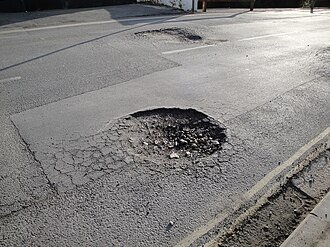
Flooded and broken roads throw mud and grit onto your car. Photo: Wikimedia Commons (see the file page for author and licence).
What happens if you leave the dirt on
Paint damage: dried dirt and bird droppings can etch into the clear coat if left for weeks.
Rust: mud holds moisture against metal. Over time this attacks the underbody, brake lines and suspension parts.
Poor visibility: dirty windscreens and mirrors scatter headlights at night, which is a real safety issue.
Lower resale value: buyers notice faded paint and early rust straight away.
How to wash your car after rain the right way
Wait until the car is out of direct sun. Washing a hot panel leaves water spots.
Rinse first. Use plenty of clean water to flush off loose sand and mud before you touch the paint. Wiping a gritty car with a cloth scratches it.
Use car shampoo, not washing powder or dish soap. Household detergents strip wax and dry out rubber seals.
Clean from the top down and use a separate bucket and cloth for the wheels and lower body, which carry the worst dirt.
Spray under the car and inside the wheel arches. This is the step most people skip and the one that saves you from rust.
Dry with a soft microfibre towel so no water spots form, and open the doors to wipe the door frames.
When you can skip the wash
If it was a light shower and you only drove short distances on clean tarred roads, the car may not need a full wash. A quick rinse is enough. After heavy rain, flooded roads or a long drive on dirt roads, wash it within a day or two.
Extra care in the rainy season
Check that your wiper blades clear the glass without streaks. Replace them if they smear.
The parts of the car that need the most attention after rain
The underbody and wheel arches
Mud and wet sand pack into the corners of the wheel arches and along the chassis rails. Because the area stays damp for a long time, rust can start there quietly. A hose with moderate pressure works well. Do not aim a very strong jet directly at electrical connectors, bearings or rubber boots.
Door edges, boot seals and drain holes
Doors and the boot have small drain holes at the bottom to let water escape. If they are blocked with dirt, water collects and rusts the panel from inside. After washing, gently clear them with a soft wire or a toothpick, and wipe the rubber seals so they do not trap grit.
Brakes and wheels
Brake dust mixes with water and sticks to alloy wheels. Rinse them well. After driving through deep water, press the brake pedal gently a few times while driving slowly to dry the pads. If the brakes feel weak or noisy, have them checked.
Windscreen and mirrors
A film of dirt makes glare worse at night and in rain. Clean the glass inside and outside, and clean the wiper blades by wiping them with a damp cloth.
After driving through floodwater
Flooded streets are common during heavy rain, and floodwater is far more harmful than ordinary rain. Try not to drive through water if you do not know how deep it is. If you cannot avoid it, follow these steps afterwards.
Drive slowly out of the water and do not stop in the middle of it with the engine off.
Check that the brakes work normally.
Rinse the underside and engine bay area from the outside to remove silt and dirty water.
Check the carpets and the boot for dampness. Lift the mats and let them dry in the sun.
Have the electrics checked if any warning light, window or central locking behaves strangely. See our article on common car electrical problems for typical signs.
If water entered the engine intake, do not try to restart the engine. Have the car towed to a mechanic, because forcing the engine can cause serious damage.
Common mistakes when washing a car
Using a dry cloth to wipe off dust. The dust acts like sandpaper on the paint. Always rinse first.
Washing in strong sunshine. Soap dries on the surface and leaves marks.
Using the same cloth for the wheels and the paint. The wheel dirt contains metal particles that scratch.
Forgetting to dry the car. Water spots can form quickly in hard-water areas, and standing water collects in crevices.
Waiting too long. A day or two is acceptable, but weeks of mud on the underbody is a real risk.
A simple routine for the rainy season
Rinse the car as soon as you can after a heavy downpour or a drive through mud.
Do a full wash with shampoo about every two weeks if you drive daily.
Wax or seal the paint every few months.
Check the door and boot drain holes once a month.
Look under the car for fresh scratches, bare metal or early rust every few months.
If your car is parked for days or weeks without being driven, rain and humidity can cause more trouble than usual. Read how to care for a car you rarely drive for extra tips.
Why this matters when you buy or sell
The condition of the underbody and the paint tells a lot about how an owner has looked after the car. When you shop for a used car, look under the car, inside the wheel arches and along the door edges for rust and flood marks, and check our used car inspection guide for a full checklist. When you sell, a clean and well-protected car makes a better impression and often attracts a better offer.
Quick answer
Rain alone does not wash your car. Rinse and wash it after heavy rain or muddy roads, pay special attention to the underbody, and use proper car shampoo. It takes a short time and protects both your paint and your resale value.
For general advice on caring for a car finish, the Consumer Reports site has independent guides on car care.
Vehiclespot.ng is a leading car dealer in Nigeria, offering an innovative online automobile marketplace that connects buyers and sellers effortlessly. In addition to buying and selling vehicles, we provide a range of auto services designed to meet all your automotive needs.