Car advice gets passed around in garages, WhatsApp groups and motor parks. Some of it is good. Some of it is outdated and can cost you money. Here are seven common myths and the truth behind each.
Myth 1: You must change engine oil every 3,000 km
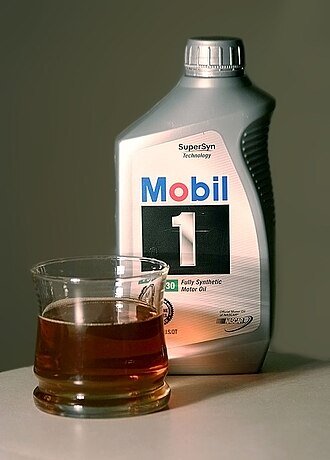
This rule comes from older engines and oils. Many modern cars using good synthetic oil can go much longer. The right interval is in your owner’s manual, and it depends on the oil type and how you drive. Heavy traffic and dusty roads are harder on oil, so follow the “severe use” schedule if that describes you. Do not skip changes either.
Follow your manual for oil change intervals. Photo: Wikimedia Commons (see the file page for author and licence).
Myth 2: You should change the oil filter only sometimes
Myth 3: You must warm up the engine for 10 minutes
Modern fuel-injected engines need only about 30 seconds to a minute before you drive gently. The engine warms up faster while driving than while idling. Long idling just burns fuel.
Myth 4: Premium fuel makes every car faster or cleaner
Use the fuel grade your manual recommends. If the car is designed for regular fuel, a higher grade brings no real benefit. The more important thing is buying from a station you trust, because dirty or watered-down fuel causes real damage.
Myth 5: A new battery means you never need a jump-start
Batteries die for many reasons: leaving lights on, a faulty alternator, or loose terminals. Learn how to jump-start a car safely, and check the charging system if the battery keeps dying.
Myth 6: Tyres only need changing when they burst
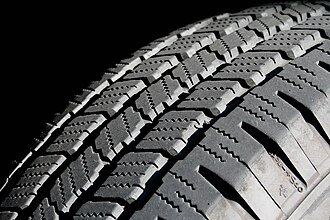
Tyres wear and age. Low tread makes braking distances longer, especially on wet roads, and old rubber cracks even if the tread looks fine. See when to replace your car tyres for the signs to watch.
Check tread depth and tyre age regularly. Photo: Wikimedia Commons (see the file page for author and licence).
Myth 7: If the check engine light is on but the car drives fine, ignore it
The light can mean a minor fault, but it can also warn of a problem that is quietly damaging the engine or catalytic converter. Get it scanned. Our guide on what to do when the check engine light comes on explains the steps.
More myths worth dropping
Myth 8: Turning the AC off saves a lot of fuel in every situation
The AC does use extra fuel, but the effect depends on the car, speed and traffic. At low speed, open windows may be fine, while at highway speed the extra drag from open windows can cancel out the savings. Read our full explanation on whether the car AC uses more fuel before you decide.
Myth 9: Remote starters or long idling are good for the engine
Some people believe that letting the engine run for a long time keeps it healthy. In reality, long idling wastes fuel and does little good. Short warm-ups are enough. We cover this in more detail in our post on remote car starters.
Myth 10: A car that is rarely driven does not need care
A car that sits for weeks can suffer from a flat battery, stale fuel, flat-spotted tyres and perished rubber. Even low-use cars need a routine. See how to care for a car you rarely drive.
Myth 11: If a car looks clean, it is in good condition
A fresh polish and a shiny engine bay can hide leaks, rust or accident repairs. A seller who has cleaned the car thoroughly is not necessarily hiding something, but a clean surface proves nothing about the mechanical condition. Use a proper checklist such as our used car inspection guide.
Why these myths spread
Most car myths have a grain of truth. Older engines did need frequent oil changes, older carburettor cars did need longer warm-ups, and older tyres were often replaced only when they failed. The problem is that cars have changed, but advice passed from person to person has not always kept up. Mechanics, relatives and online groups often repeat what worked on a car from twenty years ago. Add the pressure of high repair costs, and people tend to follow whatever seems cheapest in the short term.
How to tell good advice from bad advice
Check the owner’s manual first. It is written for your exact car and engine.
Ask for the reason. A good mechanic can explain why a job is needed and what happens if you delay it.
Be wary of absolute claims. Words like always, never and guaranteed usually signal an oversimplification.
Get a second opinion on expensive repairs. Prices and diagnoses differ between workshops.
Look for evidence. A scan report, a photo of the worn part or the old part itself is better than a verbal claim.
A simple routine that beats any myth
Check tyre pressure, oil and coolant levels regularly.
Service the car according to the manual, and tighten the schedule if you drive in heavy traffic or dust.
Vehiclespot.ng is a leading car dealer in Nigeria, offering an innovative online automobile marketplace that connects buyers and sellers effortlessly. In addition to buying and selling vehicles, we provide a range of auto services designed to meet all your automotive needs.