The engine is the most expensive part of any used car. A bad one can cost more to fix than the car is worth, so check it before you pay, not after. You do not need to be a mechanic to spot many warning signs.
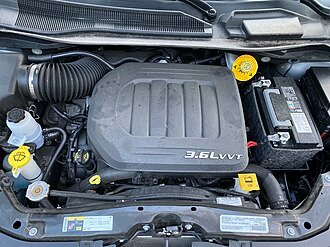
A car engine compartment. Photo: Wikimedia Commons (see the file page for author and licence).
Before you start
Insist the engine is cold when you arrive. A warm engine can hide hard-starting problems.
Do the check in daylight.
Bring a torch, a clean white cloth and, ideally, a mechanic.
Step 1: Look and smell
Open the bonnet. Look for oil or coolant stains, wet patches, loose wires and a freshly power-washed engine. A very clean engine on an old car can mean someone is hiding leaks.
Step 2: Check the fluids
Fluid
Good sign
Warning sign
Engine oil
Amber to dark brown, smooth
Milky, gritty or very low
Coolant
Clean, correct level
Oily film or rusty colour
Transmission fluid
Clear red or pink where checkable
Dark, burnt smell
Brake fluid
Light amber
Very dark
Milky oil can point to a serious problem such as a coolant leak into the engine, so walk away or get a professional opinion. For oil basics, read engine oil in Nigeria.
Step 3: Cold start
Turn the key and listen. The engine should start quickly and settle into a steady idle. Watch the exhaust at the back:
Blue smoke often suggests burning oil.
White smoke that does not clear can suggest coolant burning.
Black smoke can suggest too much fuel.
A little vapour on a cold morning is normal, but persistent smoke is not.
Step 4: Listen for noises
Knocking, ticking that gets worse, whining or rattling deserves attention. Rev gently and listen. Any warning lights on the dashboard should go off after starting.
Step 5: Test drive
Drive on different roads including bumps. The car should accelerate smoothly, not hesitate, and temperature should stay normal. Check the gearbox too: see Toyota transmission problems for example signs.
Step 6: Get a professional
Pay a trusted mechanic to inspect and, where possible, run a diagnostic scan. Combine it with our used car inspection guide. Some engines have known weak points, such as those described in our Camry 2.5-litre engine guide.
Step 7: Check the belts, hoses and battery
Look at the visible rubber parts under the bonnet. Hoses should feel firm, not soft or cracked, and belts should show no fraying. Ask when the timing belt or chain was last serviced, because failure of this part can wreck an engine. Our article on why the timing belt and water pump are often replaced together explains why the answer matters. Check the battery terminals for white or green crust, and ask how old the battery is. If the car struggles to start, read our car battery revival and jump-start guide to understand whether the battery or something else could be at fault.
Step 8: Pay attention to warning lights
When you switch the ignition on, the dashboard lights should come on and then go out once the engine runs. A light that never comes on at all may mean the bulb has been removed to hide a fault. A light that stays on needs an explanation. If the check engine light is on, do not accept the seller’s story that it is just a sensor without proof. Read what to do when the check engine light comes on and ask for a diagnostic scan.
Signs the engine may have been abused
Oil that smells burnt or looks like thick sludge under the filler cap.
A temperature gauge that climbs quickly in traffic.
Different brands of mismatched, recently replaced parts that suggest a rushed repair.
Fresh sealant or silicone around gaskets, which may be hiding leaks.
A seller who insists on revving the engine before you can hear it start.
Common mistakes buyers make
Inspecting a warm engine. Cold starts reveal the most.
Looking only at the exterior. A polished body says nothing about internal wear.
Believing the odometer blindly. Compare it with wear on the pedals, seats and steering wheel.
Letting the seller choose the mechanic. Bring your own.
Ignoring small leaks. A small leak can grow into a large repair bill.
Using what you find
If the engine passes with only minor issues, use them in your price discussion. Write down each fault with an estimated repair cost from your mechanic. Our guide on how to negotiate a used car price in Nigeria shows how to turn those notes into a calm, fair offer. If the problems are serious, such as milky oil, heavy smoke or knocking from deep inside the engine, walk away. There will always be another car.
Vehiclespot.ng is a leading car dealer in Nigeria, offering an innovative online automobile marketplace that connects buyers and sellers effortlessly. In addition to buying and selling vehicles, we provide a range of auto services designed to meet all your automotive needs.