Brake failure is rare, but it is one of the most frightening things that can happen while driving. Knowing what to do before it happens can make the difference. This guide gives practical steps and prevention tips.
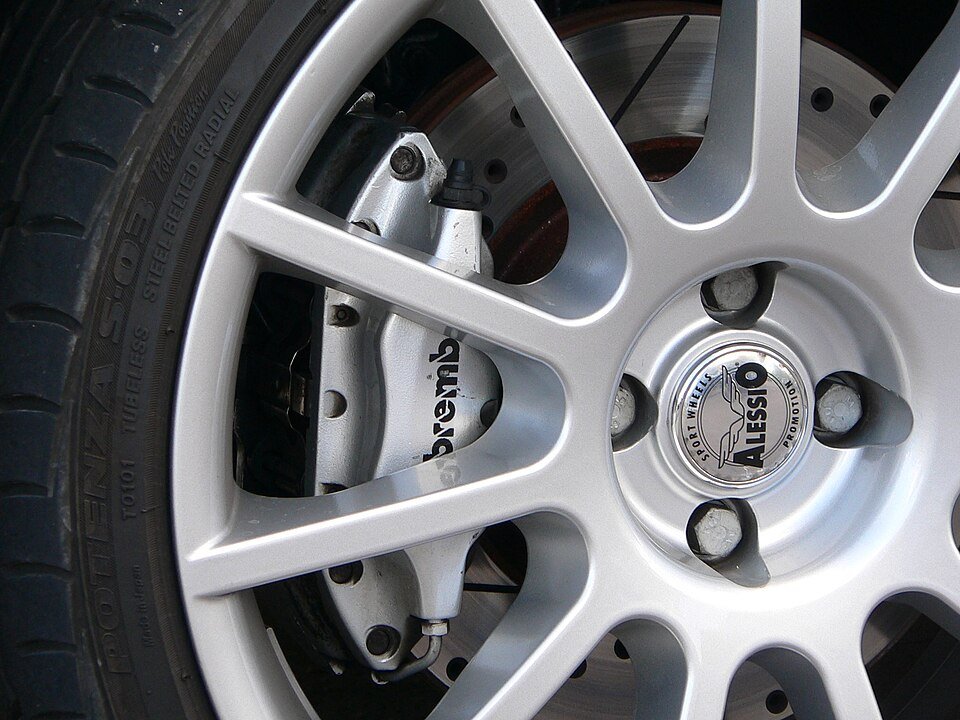
A car disc brake. Photo: Wikimedia Commons (see the file page for author and licence).
If your brakes fail while driving
Stay calm. Panic makes bad decisions.
Pump the brake pedal quickly. This can rebuild hydraulic pressure in some failures.
Take your foot off the accelerator and turn on your hazard lights to warn others.
Downshift gradually. Engine braking helps slow the car. In an automatic, use a lower gear mode if available.
Use the handbrake gradually, not suddenly. Pulling it hard at speed can cause a skid.
Steer to a safe place, such as an open area, a runaway lane or a gentle uphill slope. Avoid people and traffic.
Sound the horn and flash lights to alert others.
As a last resort, you can scrape against a barrier or guardrail on the side to shed speed, accepting damage to protect lives.
Do not turn the engine off while the car is moving. You may lose power steering and the brake booster, and some steering locks can engage on some cars.
Warning signs before failure
Sign
Possible cause
Soft or spongy pedal
Air or leak in brake fluid system
Pedal sinks to floor
Fluid leak or master cylinder problem
Grinding or squealing
Worn brake pads or discs
Car pulls to one side
Uneven brake wear or stuck caliper
Brake warning light
Low fluid or a system fault
How to prevent brake failure
Have brakes inspected at every service.
Replace pads and discs when worn.
Change brake fluid on the schedule in your manual, since it absorbs moisture over time.
Do not overload the vehicle, especially on downhill roads.
The steps above only help if you remember them under pressure. Spend a few minutes in a safe, empty place learning how your car behaves. Find out where the handbrake is and how firmly it grips, how your gearbox lets you select lower gears, and how the hazard light switch works without looking. Cars differ. An automatic with manual shift mode behaves differently from a plain automatic, and some cars use an electronic parking brake that works differently from a lever. Your owner’s manual explains what is safe for your particular vehicle.
Different kinds of brake trouble
Not every brake problem is a total loss of braking. Understanding the difference helps you respond sensibly.
Fading brakes. After a long downhill stretch or heavy use, brakes can overheat and lose bite. The pedal feels firm but the car stops poorly. Slow down, use a lower gear before the descent and let the brakes cool.
Soft pedal. Air or a leak in the system makes the pedal spongy. Pumping may help briefly, but the car needs a mechanic immediately.
Pedal to the floor. A serious leak or master cylinder fault. Use the steps in this guide and stop as soon as it is safe.
Hard pedal and poor braking. The brake booster may have failed, so more pressure is needed. Push firmly and steadily.
Tyres and brakes work together
Brakes slow the wheels, but tyres are what grip the road. Worn tread, low pressure or old rubber can lengthen your stopping distance dramatically, especially on wet roads. Check your tyres as carefully as your brakes. Our guide on when to replace car tyres in Nigeria explains how to check tread, age and damage so you know your car can actually use its braking power.
Driving habits that protect your brakes
Keep a safe following distance so you can brake gently instead of suddenly.
On long downhill roads, use a lower gear and let the engine share the work.
Avoid resting your foot on the brake pedal, which heats pads and wastes them.
Slow down before potholes and speed bumps rather than braking hard in the middle of them.
Do not overload the vehicle. Extra weight increases stopping distance and strains the brakes.
These habits cost nothing and make brake parts last longer. Many Nigerian roads have sudden obstacles, so predictable, smooth driving gives you more time to react.
What to do after a brake scare
If your brakes did not feel right and you managed to stop, do not drive on and hope for the best. Park safely, switch on your hazard lights and have the car towed or checked before using it again. Even if the problem seems to disappear, a mechanic should look at the fluid level, hoses, pads, discs and master cylinder. Ask for a written note of what was found and fixed. Regular upkeep is part of the same habit, so build it into your routine using our car maintenance tips for Nigerian road conditions.
Questions to ask your mechanic at a brake check
How much life is left in the pads and discs?
When was the brake fluid last changed, and does it look dark or contaminated?
Are there any leaks, cracked hoses or sticking calipers?
Do the brakes pull evenly to both sides?
Are the parts you recommend genuine or reputable-brand, and can I see the old ones?
Common mistakes to avoid
Ignoring a squeal or grinding. It is often the first warning that pads are worn to the metal.
Buying the cheapest pads without checking quality. Poor-quality parts can fade or wear fast.
Topping up brake fluid without asking why it dropped. A falling level usually means worn pads or a leak.
Finding a trustworthy car mechanic in Nigeria takes a little homework. Here is how to choose one, what to ask, which warning signs to watch for and how to avoid fake parts.
Thinking of a used Range Rover in Nigeria? Here is an honest look at why people love them, what ownership really involves, how to inspect one and who should look elsewhere.
The Toyota Corolla is widely reported as one of the best-selling car nameplates ever. Here is its story, why it suits Nigeria, and what to check before you buy one.
Vehiclespot.ng is a leading car dealer in Nigeria, offering an innovative online automobile marketplace that connects buyers and sellers effortlessly. In addition to buying and selling vehicles, we provide a range of auto services designed to meet all your automotive needs.