Ask any Nigerian driver about their worst car experience and there is a good chance a mechanic is in the story. Maybe a simple noise turned into a long list of “urgent” repairs, or the same fault came back a week after the job was supposedly done. The good news is that most mechanics are skilled, hardworking people. The trick is finding the right one before your car breaks down on a bad day, and this guide shows you how to find a trustworthy car mechanic without stress.
Why the Right Mechanic Saves You Money
A good mechanic does more than fix what is broken. They diagnose the real cause of a fault, so you do not keep replacing parts that were never the problem. They also spot small issues early, such as a weeping hose or worn brake pads, before these turn into major repairs.
A poor mechanic often does the opposite. Guessing, swapping parts at random and using low-quality components can cost you more in the long run, and it can leave you with an unsafe car. Choosing well is one of the cheapest forms of car insurance you can buy. If you want to keep your own side of the bargain, our guide to easy car maintenance tips every car owner in Nigeria can follow is a good place to start.
Where to Look for a Good Mechanic
Start with referrals
Word of mouth is still the strongest signal. Ask colleagues, neighbours, family and other drivers who own the same type of car as you. Do not just ask “who is good?” Ask what was repaired, whether the final bill matched the estimate, and whether they would go back. A mechanic who has looked after the same customers for years has a reputation to protect.
Look for brand experience
Cars differ a lot. A mechanic who works on Toyotas every day may know a Camry or Corolla inside out but be less comfortable with a European SUV, and the reverse is also true. Specialist workshops that focus on one brand or a few related brands tend to know the common faults, the right tools and where to source proper parts.
Dealer or independent workshop?
In general terms, authorised dealers offer brand-trained technicians, specialised equipment and often a warranty on parts and labour, but many owners find them more expensive and less flexible. Independent workshops can offer a more personal service and more choice, but quality varies widely from one to the next. Neither option is automatically better. A newer car still under warranty usually belongs at an authorised service centre, since work done elsewhere could affect your warranty terms (check your own paperwork). An older car often does very well with a trusted independent specialist.
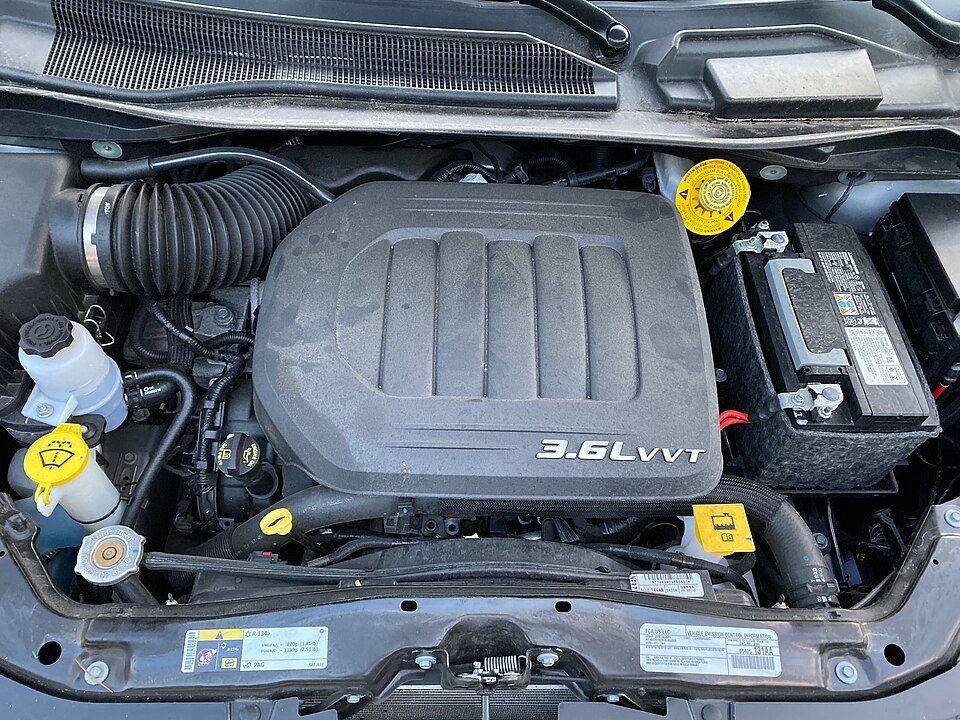
A car engine bay. Photo: Wikimedia Commons (see the file page for author and licence).
Test a Mechanic With a Small Job First
Never hand over your car for a major repair as your first interaction. Try the mechanic on something small, like an oil change, a brake inspection or a general check-up. Watch how they behave. Do they listen to you? Do they explain what they are doing in plain language? Is the workshop reasonably organised? Do they tell you honestly when something does not need doing?
A mechanic who tells you “this can wait” earns more trust than one who finds a dozen problems on day one. If the small job goes well, you have a sensible foundation for bigger work later.
Questions to Ask Before You Hand Over the Keys
Have you worked on my model before? Ask about the specific make, model and approximate year.
What diagnostic equipment do you use? Modern cars need a proper scan tool to read fault codes. Guessing is not diagnosis. Our article on what to do when the check engine light comes on explains why this matters.
Do you give a warranty on your work? Even a short, clearly stated guarantee on labour shows confidence.
Can I have a written estimate? Even a handwritten note listing the work and parts is far better than a verbal promise.
Will you call me before doing extra work? Agree in advance that nothing beyond the estimate happens without your approval.
Red Flags to Watch For
None of these automatically proves a mechanic is dishonest, but several together should make you pause.
A vague diagnosis. “The engine is tired” or “the electrical is finished” is not an answer. A good mechanic can name the part and explain the symptom.
Pressure to replace many parts at once. Ask which items are urgent for safety and which can wait.
Refusing to show you the old parts. You are entitled to see what was removed from your car.
No estimate at all. If nobody will commit to a rough scope of work, the bill can grow without limit.
Demanding full payment upfront. A reasonable deposit for parts can be normal, but being asked for everything before any work starts is risky.
No workshop address. If you cannot find the person again when something goes wrong, you have no recourse. A fixed location matters.
Fake and Counterfeit Parts: Reducing the Risk
Counterfeit or poor-quality spare parts are a real concern for car owners in Nigeria, and they can affect safety, especially for brake pads, filters, belts and engine oil. You cannot eliminate the risk completely, but you can reduce it.
Buy genuine parts from reputable suppliers whenever possible, and be wary of prices that look too good to be true.
Ask for the brand and part number before the part is fitted, and check that the packaging looks proper and consistent.
Where practical, buy the part yourself from a supplier you trust and ask the mechanic to fit it, or ask the mechanic to show you the receipt.
Keep every receipt. If a part fails early, a receipt is your best evidence.
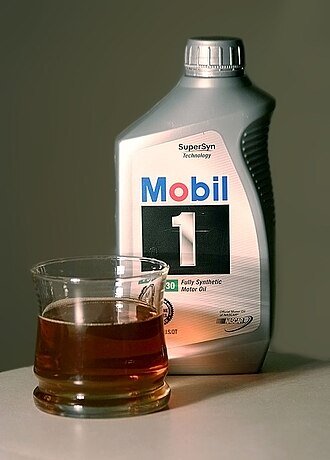
Ask which oil and parts will be used. Photo: Wikimedia Commons (see the file page for author and licence).
You do not need to use technical words. You only need to be specific. Before you visit, note down:
What you notice: a noise, a smell, a vibration, a warning light or poor performance.
When it happens: when starting, at speed, when braking, when turning, or only when the engine is cold.
How long it has been happening and whether it is getting worse.
Any recent work or incidents, such as a fuel fill-up, a pothole hit or a recent repair.
Tell the mechanic what you observe rather than what you think the cause is. “There is a grinding noise from the front left when I brake” gives them far more to work with than “I think I need new brake discs.” A short video of the sound on your phone can help too.
Keep a Service Record
A simple notebook or phone note works well. Write down the date, mileage, work done, parts used, who did it and the amount paid, and keep the receipts together. This helps your mechanic understand the history of the car, prevents repeated work, makes it easier to spot recurring faults, and reassures a buyer when you sell. If you ever buy a used car yourself, a history like this is exactly what our used car inspection guide suggests asking the seller for.
What to Do If There Is a Dispute
Sometimes things still go wrong. Stay calm and follow a simple process.
Go back to the workshop politely and explain the problem, with your receipt and estimate in hand.
Give the mechanic a fair chance to correct it. Honest ones usually will.
If you disagree about the diagnosis, get a second opinion from another reputable workshop and ask them to put it in writing.
Keep your communication respectful and written where possible, such as by message, so there is a record.
If you cannot resolve it, consider asking for help from a mechanics’ association the workshop belongs to, or seek advice on the formal options available to you. The right route depends on your location and the circumstances, so check current guidance for your area.
A Short Checklist
Get at least two or three recommendations from people with the same type of car.
Visit the workshop first and look at the address, tools and general tidiness.
Start with a small job.
Ask for a written estimate and agree that extra work needs your approval.
Ask for brand names and part numbers, and keep the receipts.
Ask to see the old parts.
Record everything in your service notes.
Common Mistakes to Avoid
Choosing only on the lowest quote. Cheap work with poor parts often costs more later.
Waiting until the car breaks down. Finding a mechanic in an emergency leaves you with no time to compare.
Leaving the car without any record. Take a photo of the dashboard and the car condition when you drop it off.
Ignoring your own part. Regular checks of oil, coolant and tyres make any mechanic’s job easier.
Frequently Asked Questions
Is a dealer always better than an independent mechanic?
Not always. Dealers offer brand training and equipment, which is helpful for newer or complex cars, while a good independent specialist can be an excellent choice for older vehicles. Judge each workshop on its own record.
Should I buy the spare parts myself?
It can reduce the risk of fake parts if you buy from a supplier you trust, but some mechanics prefer to supply their own parts so they can stand behind the work. Discuss this openly and agree who is responsible if a part fails.
How many opinions should I get for a big repair?
For a major or expensive repair, a second opinion is sensible. Ask each workshop to explain the fault and list the work in writing so you can compare like with like.
What if my mechanic is honest but not very organised?
Many skilled mechanics run busy, informal workshops. You can help by asking for a simple written estimate and keeping your own notes. Organisation can be learned, but honesty and skill are harder to replace.
Conclusion
Finding a trustworthy car mechanic in Nigeria is not about luck. It is about asking around, testing with small jobs, asking clear questions, watching for warning signs and keeping good records. Once you find someone honest and skilled, treat them well: pay fairly, describe problems clearly and give them regular business. That relationship will do more for your car, and your peace of mind, than any single repair. For safe driving rules and road safety information, you can also visit the Federal Road Safety Corps website. Also read our advice on essential car maintenance for Nigerian road conditions to keep your car in good shape between visits.
Thinking of a used Range Rover in Nigeria? Here is an honest look at why people love them, what ownership really involves, how to inspect one and who should look elsewhere.
The Toyota Corolla is widely reported as one of the best-selling car nameplates ever. Here is its story, why it suits Nigeria, and what to check before you buy one.
Vehiclespot.ng is a leading car dealer in Nigeria, offering an innovative online automobile marketplace that connects buyers and sellers effortlessly. In addition to buying and selling vehicles, we provide a range of auto services designed to meet all your automotive needs.