The Honda Civic is popular for its fuel economy, handling and styling. Like any car it has weak spots, and they vary by generation. This guide covers the problem areas owners commonly report so you know what to check, without claiming that every Civic has them.
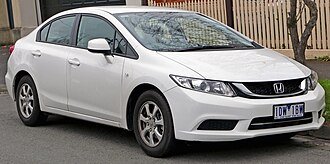
Honda Civic sedan. Photo: Wikimedia Commons (see the file page for author and licence).
Areas to inspect
Area
What to look for
Air conditioning
Weak cooling, noisy compressor; test at idle in the heat
Suspension
Knocking over bumps, worn bushings and shocks from rough roads
Transmission
Hesitation, jerking or delayed engagement on automatics
Engine mounts
Excess vibration at idle or when shifting
Oil consumption and leaks
Low oil between changes, wet patches under the engine
Electrical
Windows, locks, lights, warning lights
Paint and body
Fading or accident repair
Not every year or engine is affected, so research the exact generation you are considering.
In our heat the AC is used almost every day, so it wears quickly. A Civic that blows only slightly cool air may need a gas refill, a new condenser, a compressor repair or simply a clean cabin filter. The cause matters, because a leak will keep coming back. At the viewing, let the car idle for several minutes with the AC on its coldest setting and see that the air stays cold, and listen for rattling or squealing from the compressor.
Suspension and steering
Nigerian roads are hard on suspension. Worn shock absorbers, stabiliser links and rubber bushes show up as knocking over bumps, a floaty ride or a car that pulls to one side. These parts are normal wear items, not a sign of a bad car, but they should be priced into your offer. If the car also wanders when braking, or the tyres are worn on the edges, have the alignment and suspension checked.
Automatic transmission
On automatic Civics, pay attention to how the car moves off and shifts. Jerky changes, flaring revs between gears or a delay when you select drive are warnings. Ask when the transmission fluid was last changed and what type was used. Using the wrong fluid is a common cause of trouble in many cars, so insist on the correct one for the specific gearbox.
Engine mounts and vibration
If the cabin shakes at idle or the car clunks when you shift between drive and reverse, the engine mounts may be tired. They are not usually the most expensive repair, but they affect comfort and should be fixed rather than ignored.
Oil level and leaks
Check the dipstick before and after the test drive and look under the car for drips. Some engines use a small amount of oil between changes, but a car that needs frequent top-ups or leaves wet patches deserves a closer look from a mechanic.
Test-drive routine for a used Civic
Start the car from cold and watch for smoke from the exhaust and any warning lights that stay on.
Idle for a few minutes with the AC on and watch the temperature gauge.
Drive slowly over a rough patch with the radio off so you can hear any knocks.
Accelerate firmly on a straight road and note any hesitation or slipping.
Brake firmly from a moderate speed. The car should stop straight with no pulsing.
Park and check again for leaks and for smells such as burning oil or coolant.
Maintenance that protects a Civic
A Civic that has been serviced on time is far less likely to cause you problems. Use the correct oil grade for the engine, change the filters, and check coolant, brake fluid and transmission fluid regularly. Tyres matter as well, because worn tyres hurt handling and braking, so read when to replace car tyres in Nigeria. For a broader routine that suits our roads, see these essential maintenance tips.
Common mistakes buyers make
Buying on looks and a clean interior without checking the mechanical condition.
Accepting the seller’s statement that a warning light is only a sensor.
Skipping the cold start. A car that has been warmed up before you arrive can hide starting problems.
Not budgeting for immediate work such as tyres, fluids and a service.
Considering a Toyota RAV4 in Nigeria? Learn why it is popular, what to inspect on a tokunbo or Nigerian-used unit, and what it costs to keep on the road.
Thinking of a Lexus RX 350? This guide explains the generations sold in Nigeria, what each offers, the inspection points that matter and the real cost of owning a luxury SUV.
Vehiclespot.ng is a leading car dealer in Nigeria, offering an innovative online automobile marketplace that connects buyers and sellers effortlessly. In addition to buying and selling vehicles, we provide a range of auto services designed to meet all your automotive needs.