If you have ever stood in a car park in Lagos, Abuja or Port Harcourt and wondered whether that clean Lexus is just a fancy Toyota, you are not alone. It is one of the most common questions buyers ask before they spend serious money. The short answer is yes, but the full answer matters a lot if you plan to buy a used Lexus in Nigeria. Knowing the relationship between the two brands helps you judge parts, repairs, reliability and what you will really spend after the purchase.
Yes, Lexus Is Toyota’s Luxury Brand
Lexus is the luxury division of Toyota Motor Corporation. Toyota launched the brand in 1989 to compete with established premium makers from Germany and elsewhere. The idea was simple: build cars that feel quieter, smoother and better finished than a regular Toyota, and back them with a stronger ownership experience.
So Lexus is not an independent company that Toyota happens to own a share of. It is Toyota’s own premium label, in the same way that some other manufacturers run a separate luxury badge. If you want to see how the brand describes itself, you can visit the official Lexus website.
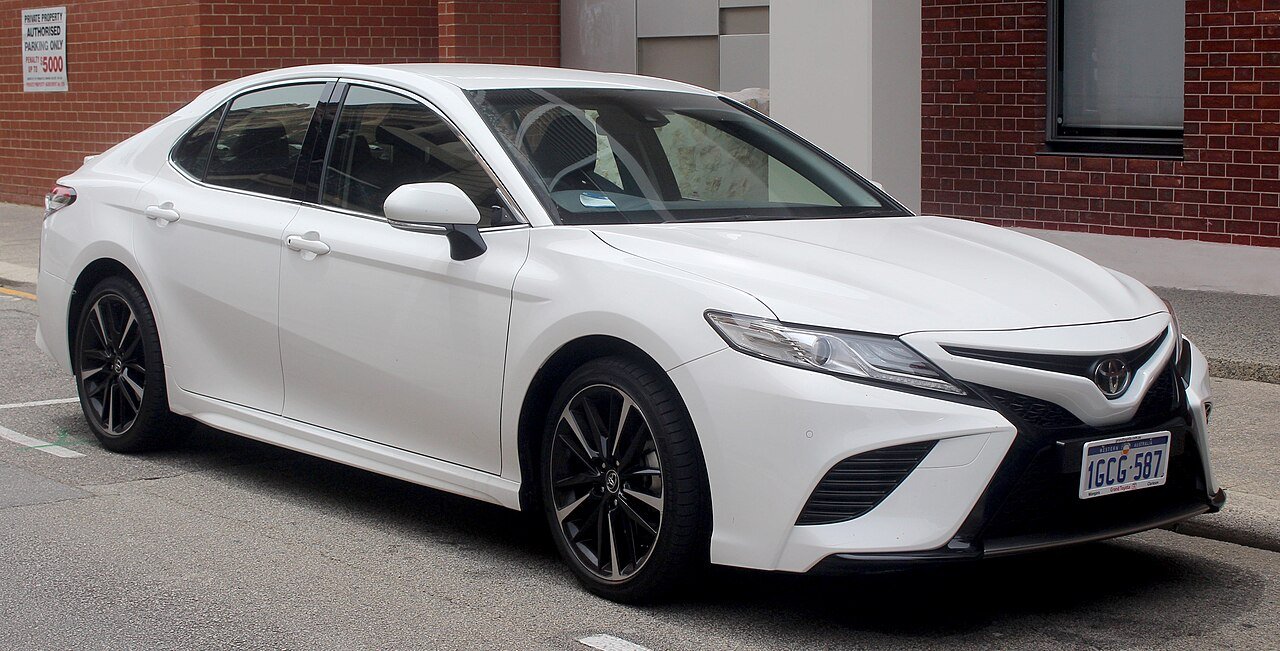
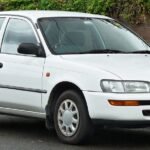
A Toyota Camry. Photo: Wikimedia Commons (see the file page for author and licence).
What the Toyota Connection Means for Buyers
Because Lexus grows out of Toyota, many Lexus models share engineering ideas, and in some cases platforms or mechanical parts, with Toyota models. Buyers in Nigeria often benefit from this in a few practical ways.
Familiar technology. Many mechanics already know Toyota engines and gearboxes, so a good Lexus is rarely a total mystery to them.
Better parts availability. Some mechanical parts, such as certain filters, sensors or suspension components, may be shared or similar. This can make sourcing easier than with rarer luxury brands.
A reputation for durability. Toyota’s name for long-lasting cars has helped Lexus. If you want to understand that reputation better, read our piece on how long Toyota and Honda cars last.
A word of caution. Shared roots do not mean every part is interchangeable. Which parts fit which model depends on the exact model, year and engine, so always ask your mechanic or parts dealer to confirm before you buy anything.
What Is Different From a Regular Toyota
This is where many first-time buyers get surprised. A Lexus shares a family tree with Toyota, but it is a different ownership experience.
Purchase price
Lexus models usually cost more than comparable Toyotas, even when used. You are paying for the badge, the comfort, the quiet cabin and the extra equipment.
Parts cost
Parts that are specific to Lexus, such as body panels, lights, trim and some suspension pieces, are often priced higher than Toyota equivalents. Expect a repair bill to feel more like a premium car than an everyday saloon.
Equipment and electronics
Lexus cars tend to come with more features: power seats, premium audio, advanced cruise systems, air suspension on some models, and plenty of sensors. These make the car lovely to drive, but they also give age and heat more things to damage. A faulty control module or a tired air suspension can cost far more to fix than a similar fault on a basic Toyota.
Ride and refinement
Lexus puts a lot of effort into quietness and comfort. That is a big reason people choose it, but it also means thicker insulation, softer suspension tuning and more complex components.
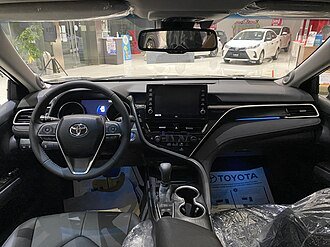
A Toyota interior. Photo: Wikimedia Commons (see the file page for author and licence).
Popular Used Lexus Models in Nigeria
You will see several Lexus models again and again on Nigerian roads and in listings.
RX. The midsize SUV is probably the most familiar Lexus here. It is comfortable and practical for family use. We have a dedicated Lexus RX 350 buyer’s guide for Nigeria if you want more detail.
ES. A comfortable luxury saloon that suits buyers who want a quiet, smooth daily car. It is closely related to a well-known Toyota sedan in spirit, which many people like.
GX. A more rugged, body-on-frame style SUV that appeals to people who travel on rougher roads.
LX. The large flagship SUV, loved for presence and comfort. It is also usually the most demanding to maintain, so budget carefully.
Availability changes over time, and condition varies a lot from one car to another, so judge each vehicle on its own merits rather than on its model name.
What to Check Before You Buy
A Lexus badge is not a guarantee of a good car. Years of use, accident repairs and poor servicing can ruin any vehicle. Work through this list.
Get a proper inspection. Take the car to a trusted mechanic, ideally one familiar with Toyota and Lexus. Our used car inspection guide gives you a solid checklist.
Check the VIN. Confirm that the chassis number on the car matches the documents, and look at the history where possible. Our guide on how to check a car VIN number walks you through it.
Test the suspension on bad roads. Drive over uneven surfaces and listen for knocks, clunks or a floaty, unstable feel. Nigerian roads are hard on bushings, shocks and, on some models, air suspension parts.
Test every electronic feature. Windows, seats, screen, cameras, parking sensors, climate control, steering wheel buttons and warning lights. Do not assume anything works because it looks fine.
Ask for service history. Receipts and records show whether the car was looked after. A missing history is not always a deal-breaker, but it means you should inspect even more carefully.
Look at the engine and gearbox. Check for leaks, rough idle, smoke and hesitant gear changes. See our guide on how to check a used car engine.
Running Costs: Be Realistic
A used Lexus can be a smart purchase, but the purchase price is only the beginning. Fuel consumption, especially on larger V6 and V8 models, can be heavy in traffic. Tyres for bigger wheels cost more. Servicing, brake parts and suspension work usually cost more than on a plain Toyota. Insurance and registration costs also depend on the car, so check current figures with official sources and your insurer.
A sensible approach is to set aside a repair fund right after purchase. Even a well-kept car may need belts, fluids, bushings or tyres soon after you take it home. Good habits help too, and our article on essential car maintenance tips for Nigerian road conditions is a useful starting point.
Common Mistakes Buyers Make
Buying the badge, not the car. A cheap, tired Lexus can cost more over time than a healthier, pricier one.
Skipping the inspection. A seller’s word is not a substitute for a mechanic’s report.
Ignoring electronics. Small faults add up and can be expensive on luxury models.
Assuming Toyota prices for parts. Some parts are shared, but many are not, and they cost more.
Forgetting to budget after purchase. Leave money for servicing and the first repairs.
No. Lexus is a separate brand, but it belongs to Toyota. The two share a parent company and some engineering, while Lexus focuses on luxury, comfort and refinement.
Are Lexus parts the same as Toyota parts?
Some are, many are not. Certain mechanical components may be shared across models, but body parts, lights, trim and electronics are often specific to Lexus. Confirm fitment with a trusted parts dealer.
Is a used Lexus cheaper to maintain than a German luxury car?
Many owners feel Lexus is easier to live with because of Toyota’s reputation for durability, but this depends on the model, age and condition. Do not treat it as a promise, and compare repair costs with a mechanic you trust.
Which used Lexus is best for Nigerian roads?
There is no single best answer. A GX or an RX may suit rough roads better than a low saloon, but the condition of the individual car matters more than the model. Inspect before you decide.
Verdict
Yes, Lexus is owned by Toyota, and that connection is a real advantage when you shop for a used Lexus in Nigeria. It can mean familiar engineering, better support from mechanics and a reputation for lasting well. But a Lexus is still a luxury car, with luxury-level parts prices and more electronics to go wrong. Buy on condition, not just on the badge, inspect carefully, check the VIN and history, and keep money aside for upkeep. Do that, and a used Lexus can reward you with years of comfortable driving.
Finding a trustworthy car mechanic in Nigeria takes a little homework. Here is how to choose one, what to ask, which warning signs to watch for and how to avoid fake parts.
Thinking of a used Range Rover in Nigeria? Here is an honest look at why people love them, what ownership really involves, how to inspect one and who should look elsewhere.
The Toyota Corolla is widely reported as one of the best-selling car nameplates ever. Here is its story, why it suits Nigeria, and what to check before you buy one.
Vehiclespot.ng is a leading car dealer in Nigeria, offering an innovative online automobile marketplace that connects buyers and sellers effortlessly. In addition to buying and selling vehicles, we provide a range of auto services designed to meet all your automotive needs.