If you are shopping for a used Honda in Nigeria, the choice usually narrows to two names: the Civic and the Accord. They look similar from a distance, they share a reputation for being reliable, and both are easy to find in Lagos, Abuja and Port Harcourt. Yet they are built for different buyers. This guide walks through the Honda Civic vs Honda Accord decision in plain language, so you can pick the one that fits your life and your budget, whatever that budget is.
The Basic Difference: Compact vs Midsize
The Civic is a compact car. The Accord is a midsize car, one class up. That single fact explains most of what follows. The Accord is longer and wider, with a bigger cabin and a bigger boot. The Civic is smaller, easier to park, and easier to squeeze through Lagos traffic or a crowded market road.
Generations matter too. Both models have been redesigned many times, and a ten-year-old Civic can feel quite different from a newer one. When you compare two cars, always compare the same age range, not a new Civic against an old Accord.
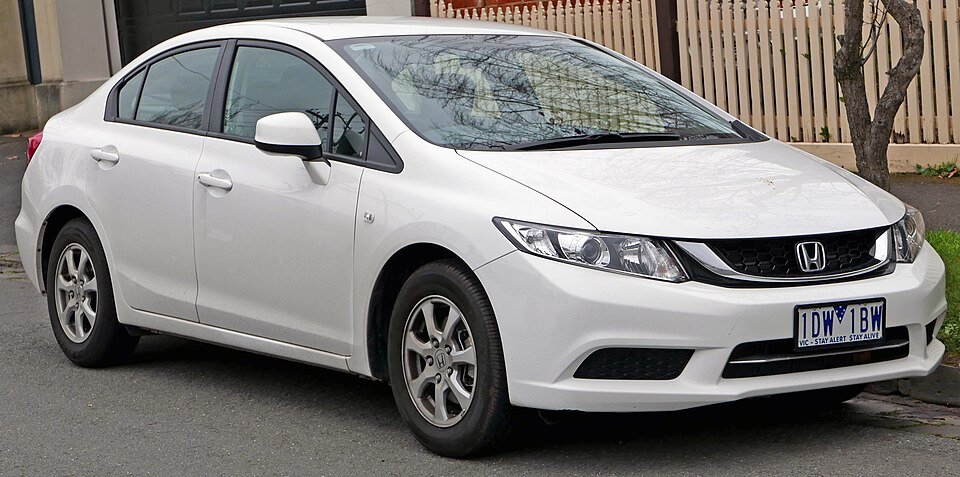
A Honda Civic. Photo: Wikimedia Commons (see the file page for author and licence).
Space and Comfort
Sit in the back seat of both cars and the difference is clear. The Accord usually gives adult passengers more legroom and shoulder room, which matters on long trips such as Lagos to Ibadan or Abuja to Kaduna. The boot is also larger, so a family with luggage, a baby stroller or market shopping will feel the benefit.
The Civic is comfortable for one to four people, but three adults in the back can feel tight. Front seats are fine for most drivers. If you are tall or often carry passengers, sit in the rear seat yourself before you decide. Do not rely on a seller’s word.
Engines and Fuel Use
Both cars are commonly sold with petrol engines, and many Accords come with a larger engine than the Civic. In general terms, a smaller engine in a lighter car tends to use less fuel, so the Civic is usually the more economical of the two in everyday driving. The Accord may use more fuel, especially in heavy traffic, but it can feel more relaxed on the highway.
Exact fuel figures depend on the engine, the gearbox, the car’s condition and how you drive. We will not quote numbers here, because they vary too much. Ask the seller about the specific engine, then confirm real-world fuel use with owners or a mechanic who knows that exact model. You can also check official specifications on the Honda website, keeping in mind that models sold in other markets may differ from what is common in Nigeria.
Parts and Mechanics in Nigeria
This is where both cars score well. Honda has a long history in Nigeria, so there are many mechanics who know these models, and common parts such as filters, brake pads, bushings and suspension parts are widely sold. Civic parts are especially easy to find because there are so many Civics on the road.
Still, availability depends on the generation. Parts for popular older models are easy to find. Parts for a less common trim or a newer generation may take longer to source or cost more. Before you buy, ask a trusted mechanic whether they have worked on that exact model and where they would get the parts. For a closer look at one model’s known weak points, read our guide to common Honda Civic problems in Nigeria.
Running Costs, Tyres and Brakes
Running costs come down to size and engine. A bigger, heavier car usually needs larger tyres, bigger brakes and more engine oil, so the Accord tends to cost somewhat more to maintain than the Civic. The difference is rarely dramatic, but it adds up over a few years. Insurance, fuel and servicing are the three things to compare.
Always check the tyre size printed on the sidewall of the car you are viewing, then ask a tyre dealer what a full set costs. Do the same for brake pads and discs. If you are weighing Honda against other brands, our comparison of Honda vs Toyota cost of ownership in Nigeria is a useful next read.
Ride on Bad Roads
Nigerian roads test any suspension. Potholes, speed bumps and broken edges are part of daily life. The Accord is heavier and longer, and many drivers find it feels settled and smooth over rough patches. The Civic is lighter and often sits lower, so it can feel firmer, and you need to take care over bumps and flooded roads.
With either car, the condition of the suspension matters more than the badge. Worn shocks, tired bushings and bent arms make any car feel bad. During a test drive, go over a rough road on purpose and listen for knocks, rattles and clunks.
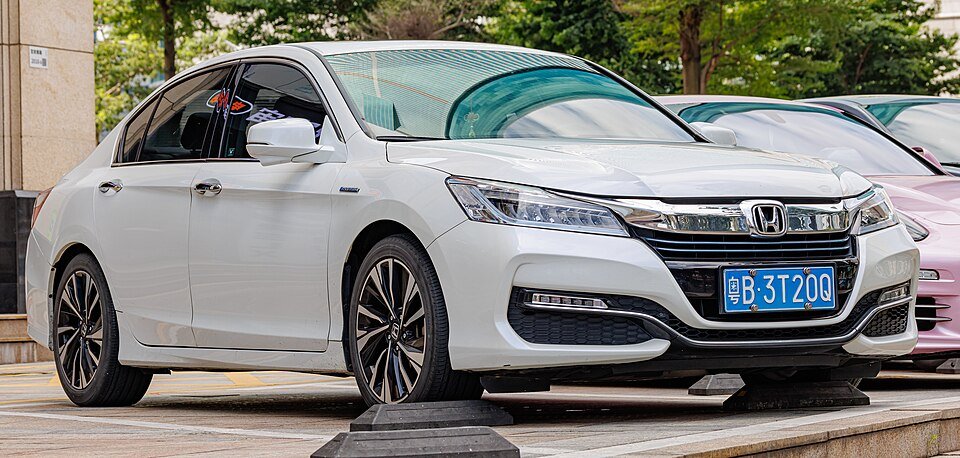
A Honda Accord. Photo: Wikimedia Commons (see the file page for author and licence).
Resale Value
Both cars are known for holding their appeal on the used market, mainly because buyers trust the Honda name. The Civic often finds buyers quickly because it is the more affordable and more popular choice. The Accord attracts buyers who want more space and a more upmarket feel. In both cases, the car’s condition, mileage, service history and clean papers matter more than the model name. A well-kept car sells faster than a neglected one, whichever you pick.
Honda Civic vs Honda Accord: Quick Comparison
Point
Honda Civic
Honda Accord
Class
Compact
Midsize
Rear space
Adequate for most
Roomier
Boot
Smaller
Larger
Fuel use (general)
Usually lower
Usually higher
Parts availability
Very easy
Easy
Running costs
Usually lower
Usually somewhat higher
Parking and city driving
Easier
Needs more care
Long trips
Good
Very good
These are general tendencies, not guarantees. Individual cars vary a lot.
Which One Suits Which Buyer?
Single buyers and daily commuters
The Civic is the natural pick. It is easier to park, usually cheaper to run, and perfectly comfortable for one or two people. If you drive through heavy traffic every day, its size is a real advantage.
Families
The Accord usually fits better. More rear space and a larger boot make school runs, church trips and weekend travel less stressful. If you have two or more children, or you often carry elderly relatives, try the Accord first.
Ride-hailing drivers
This depends on the platform’s rules and your costs. Requirements on vehicle age and category change, so check the current rules on the app you plan to use. In general, the Civic’s lower running costs help your daily margin, while the Accord may suit a higher category if your platform allows it. Work out fuel, servicing and tyres before you commit.
Also compare these with other options. Our article on Toyota Camry vs Honda Accord may help if you are still undecided between brands.
Inspection Tips for Both Cars
Start the engine cold and listen for rough idling, ticking or knocking.
Check the gearbox. Shifts should be smooth, with no jerking, slipping or delay.
Look for oil or coolant leaks under the car and around the engine.
Test the air conditioning for a long time, not just a minute. Nigerian heat exposes weak systems.
Inspect tyres for uneven wear, which can point to alignment or suspension trouble.
Look for signs of accident repair: uneven panel gaps, paint mismatch and overspray.
Check for flood damage, such as damp carpets, a musty smell or rust in odd places.
Confirm that the chassis number matches the documents, and verify the papers properly.
Take a trusted mechanic with you, and read our full used car inspection guide before you pay anyone.
Common Mistakes to Avoid
Buying on looks or a nice interior without checking the engine and gearbox.
Comparing cars of very different ages and calling it a fair test.
Ignoring tyre and brake costs, which are larger on a bigger car.
Skipping the mechanic’s inspection because the seller is a friend or a relative.
Paying before the documents are verified.
Choosing a car that is too big for your daily routes and parking spaces.
Frequently Asked Questions
Is the Honda Civic or Accord more reliable?
Both have a good reputation, and condition and maintenance matter more than the model. A well-serviced example of either is a safer buy than a neglected one.
Which uses less fuel?
The Civic generally uses less fuel because it is smaller and lighter, but the real figure depends on the engine, the gearbox and how the car has been looked after. Ask owners of the same model.
Is the Accord worth the extra cost?
If you regularly carry passengers or drive long distances, the extra space and comfort can be worth it. If you drive alone in the city, the Civic is probably the smarter choice.
Choose the Civic if you want a smaller, easier and usually cheaper car for city life, commuting or a first purchase. Choose the Accord if you need more space, a bigger boot and a more relaxed long-distance ride, and you accept somewhat higher running costs. Whichever you pick, buy the best-maintained example you can find, inspect it carefully with a trusted mechanic, and verify the papers. If you are still comparing brands, our guide on Honda vs Hyundai in Nigeria is worth a look.
Comparing the Toyota Sienna and Honda Odyssey for Nigerian families: space, comfort, reliability, parts and what to check before buying a used minivan.
Vehiclespot.ng is a leading car dealer in Nigeria, offering an innovative online automobile marketplace that connects buyers and sellers effortlessly. In addition to buying and selling vehicles, we provide a range of auto services designed to meet all your automotive needs.