Walk through any used car lot in Lagos, Abuja or Port Harcourt and you will spot a Honda Accord within minutes. It is a familiar sight on Nigerian roads, from private owners to taxi and ride-hailing drivers. But popularity does not guarantee a good car, and every used example has its own history. So, is a used Honda Accord reliable? The honest answer is: often yes, if you pick the right one and check it properly. This guide explains what to expect and how to buy wisely.
Why the Accord is so popular in Nigeria
Several things explain the Accord’s place in the Nigerian market. It offers a comfortable cabin, a decent boot and a smooth ride that suits long trips and daily traffic. It looks respectable without being flashy, which appeals to professionals and families alike. Many buyers also feel that it drives better than a typical family sedan, with steering and handling that feel confident.
There is a practical side too. Because so many Accords have been imported over the years, most big cities have mechanics who know the car, and common parts are usually easy to find. That familiarity makes ownership less stressful, although quality of parts and workmanship still varies a lot, so choose your mechanic carefully.
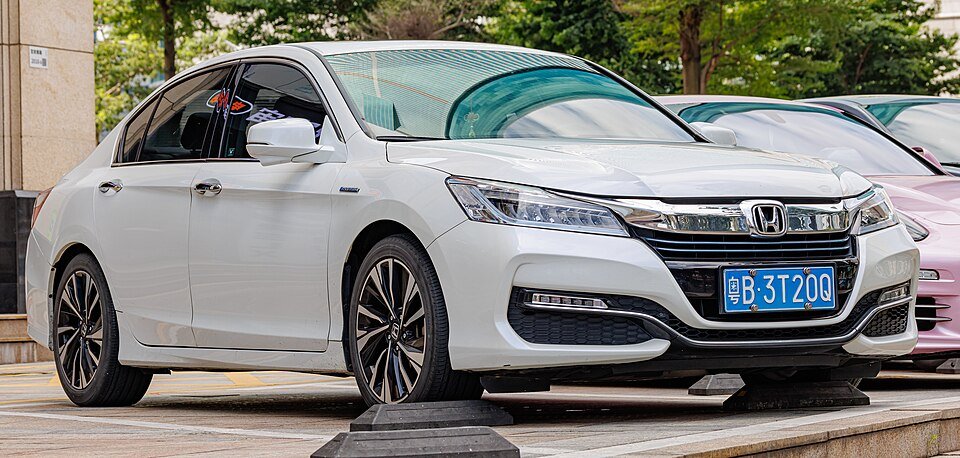
A Honda Accord. Photo: Wikimedia Commons (see the file page for author and licence).
What is the Accord’s reliability reputation?
Honda has built a general reputation for dependable engines and sensible engineering, and the Accord is one of its best-known models. Still, “reliable” is not a blanket promise. How a particular car holds up depends on the generation, the engine and gearbox it carries, how it was driven, and above all how well it was maintained. A well-serviced Accord with a documented past can be a sound buy. A neglected one with hidden accident repairs can become an expensive headache, whatever badge it wears.
It is wise to treat online claims about “bulletproof” cars with caution. Read what the manufacturer says on Honda’s official website for model background, then confirm the details of the exact car you are considering with a trusted mechanic. If you want to compare it with its biggest rival, our article on the Toyota Camry vs Honda Accord is a good next read.
Common areas that need attention on used examples
Every used car has wear points. These are the areas that buyers of used Accords are usually advised to look at closely. None of this means a given car will fail; it simply tells you where to focus your inspection.
Transmission condition and servicing. Automatic gearboxes need regular fluid changes using the correct fluid. A gearbox that has been ignored may shift roughly, hesitate or slip. Ask when the fluid was last changed and whether the right type was used.
Air conditioning. In Nigeria’s heat the A/C works hard. Weak cooling can come from low refrigerant, a leak, a tired compressor or a blocked condenser. Test it properly during your drive.
Suspension on bad roads. Potholes and broken surfaces are hard on bushes, links, shock absorbers and ball joints. Listen for knocks over bumps, and watch for uneven tyre wear or a car that pulls to one side.
Oil leaks. Older engines can seep oil from gaskets and seals. Look under the car and around the valve cover area for wet or grimy patches.
Engine and gearbox mounts. Worn mounts cause vibration, clunks when changing gear or a shaky idle.
Electronics. Check windows, central locking, dashboard lights, the infotainment screen, sensors and cameras. Small electrical faults can add up.
Four-cylinder or V6: how to think about it
Many Accords come with either a four-cylinder engine or a larger V6, depending on the generation and market. In general terms, the four-cylinder is simpler, tends to use less fuel and is usually cheaper to maintain. The V6 offers stronger acceleration and a smoother, more relaxed feel on the highway, but it typically means higher fuel use and more components to service.
For most Nigerian daily drivers, especially in heavy city traffic, the four-cylinder is the more practical choice. If you love power and can handle higher running costs, a V6 can be rewarding, but inspect it even more carefully because there is more that can go wrong. Whichever you choose, the condition and service record matter more than the engine size on the badge.
Your inspection checklist
Never buy on looks alone. Go through these steps calmly, and bring a mechanic you trust if you can.
Review the history. Ask for service records, import documents and previous ownership details. Be wary of sellers who cannot explain where the car has been.
Do a cold start. Ask the seller not to warm the engine beforehand. Listen for rough idling, ticking or smoke, and watch the dashboard lights.
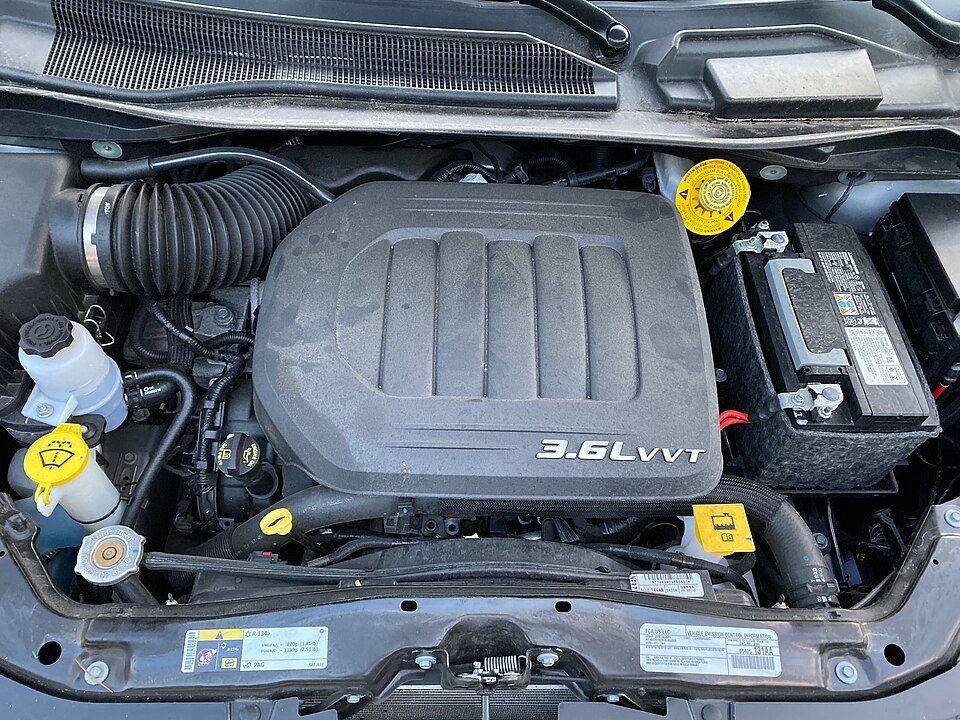
Inspect the engine bay. Look for leaks, cracked hoses, a dirty or low oil level and signs of recent cleaning meant to hide problems. Our article on checking a used car engine before buying has more detail.
Test the gearbox. Shift through every position and notice any delay, jerk or flare between gears.
Run a diagnostic scan. A scan tool can reveal stored fault codes that the dashboard does not show.
Take a proper test drive. Drive over rough patches, brake firmly, test the A/C and listen for suspension noises or steering vibration.
Inspect the engine bay before buying. Photo: Wikimedia Commons (see the file page for author and licence).
A car with a clear service record is usually a safer bet than one with a vague story. Look for regular oil and filter changes, gearbox fluid service, coolant changes, brake work and evidence that repairs were done properly. In Nigeria, where fuel quality and road conditions can be tough, sticking to the maintenance schedule in the owner’s manual is especially important.
After you buy, build good habits. Use the correct oil grade, change filters on time, service the gearbox as recommended and fix small noises early. Cheap parts and rushed repairs often cost more in the long run, so use a competent workshop. Cost of ownership matters as much as the purchase decision, and our comparison of Honda and Toyota cost of ownership in Nigeria may help you plan.
Resale value
Accords generally have a ready market in Nigeria, which can make them easier to sell than some other sedans. However, resale depends on condition, mileage, paperwork, colour, trim level and how the car looks and drives on the day. A clean car with documented servicing will almost always attract more interest than a tired one. Keep your receipts, because they help a future buyer trust you.
Mistakes to avoid
Skipping a mechanic’s inspection to save a little time.
Trusting a freshly washed engine bay without asking why it was cleaned.
Ignoring a gearbox that hesitates or jerks, hoping it will “settle”.
Buying without confirming the VIN and documents.
Choosing the V6 for bragging rights when the four-cylinder fits your budget and routes better.
Forgetting to budget for servicing, tyres and small repairs right after purchase.
Frequently asked questions
Is a used Honda Accord expensive to maintain?
Running costs depend on the engine, the age of the car and the mechanic you use. Four-cylinder models are generally cheaper to look after than V6 versions. Ask a trusted mechanic for a realistic estimate for the exact car before you commit.
Which Accord generation should I choose?
There is no single best answer. Newer cars may have better features and safety technology, while older ones can be simpler. Focus on condition, service history and a clean inspection rather than the year alone.
Can an Accord handle Nigerian roads?
Yes, many do every day, but bad roads wear suspension parts faster. Expect to replace bushes, links or shocks at some point, and check them carefully before buying.
How long does a used Honda Accord last?
Lifespan varies with care and use. Our article on how long Toyota and Honda cars last explores this in more depth, and a mechanic’s opinion on your specific car is still the best guide.
Verdict
So, is a used Honda Accord reliable? It can be, and that is why so many Nigerians choose it. The model has a strong reputation, parts and know-how are widely available, and it is comfortable to live with. But reliability is earned by the individual car, not guaranteed by the name. Check the VIN, study the history, inspect the transmission, A/C and suspension, scan for faults and drive it properly. Do that, and a used Accord can be a satisfying, sensible purchase. Always verify details with a trusted mechanic or the relevant official source before you pay.
Finding a trustworthy car mechanic in Nigeria takes a little homework. Here is how to choose one, what to ask, which warning signs to watch for and how to avoid fake parts.
Thinking of a used Range Rover in Nigeria? Here is an honest look at why people love them, what ownership really involves, how to inspect one and who should look elsewhere.
The Toyota Corolla is widely reported as one of the best-selling car nameplates ever. Here is its story, why it suits Nigeria, and what to check before you buy one.
Vehiclespot.ng is a leading car dealer in Nigeria, offering an innovative online automobile marketplace that connects buyers and sellers effortlessly. In addition to buying and selling vehicles, we provide a range of auto services designed to meet all your automotive needs.