Ask any car dealer in Lagos, Abuja or Port Harcourt which used SUVs move fastest, and the Toyota Highlander and the Toyota RAV4 will come up almost every time. Both wear the same badge, both have a reputation for lasting, and both are everywhere on our roads. Yet they are built for different jobs. If you are stuck on Toyota Highlander vs RAV4, this guide walks you through the real differences so you can choose with your head and not just your eyes.
One note before we start: model years, engines and trims vary a lot on the used market, so treat everything below as general guidance. Always confirm the exact specification of the car in front of you with a trusted mechanic or on Toyota’s official website.
Size and Seating: The Biggest Difference
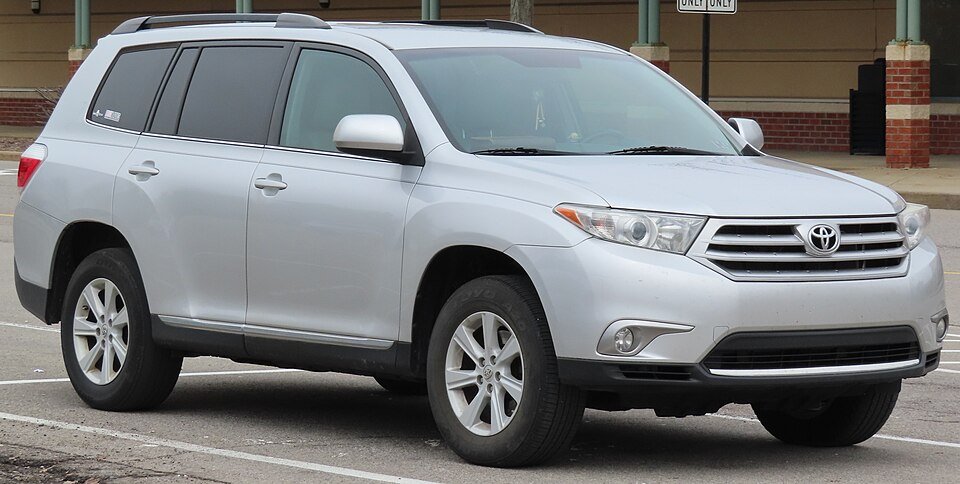
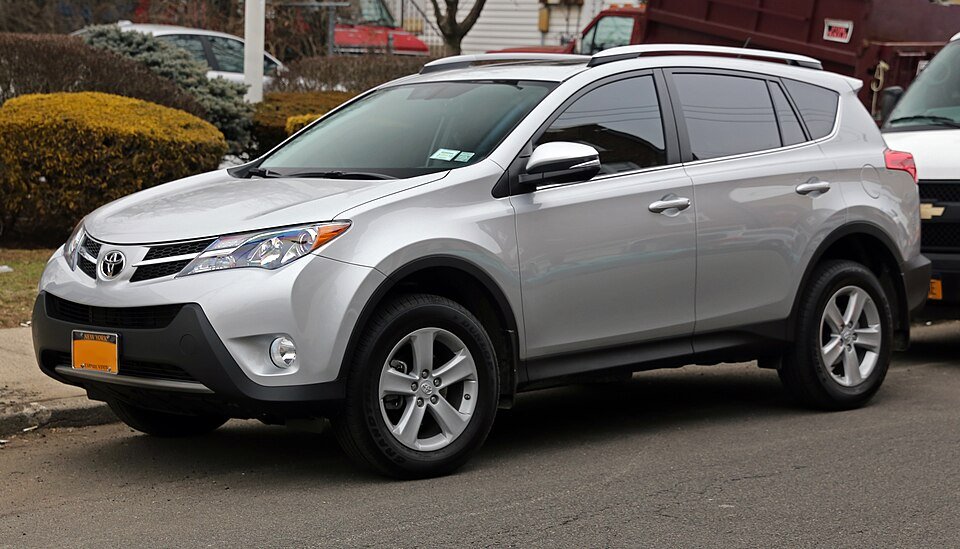
The Highlander is the larger vehicle, and it is usually sold as a three-row SUV. That means seven or eight seats in many versions, with a third row at the back. The RAV4 is a compact SUV with two rows and five seats. Some older RAV4 generations offered a small optional third row, but that is not the norm, so check the car you are looking at.
A Toyota Highlander. Photo: Wikimedia Commons (see the file page for author and licence).
In daily life, this shows up in simple ways. A Highlander swallows school bags, market shopping, a baby stroller and extra relatives without complaint. The third row is best for children and shorter trips, though, and with all seats up, boot space becomes tight. A RAV4 gives you less room overall, but it is easier to park, easier to turn in Lagos traffic and easier to squeeze into a compound gate.
Engines and Fuel Use
Highlanders have commonly come with larger engines, including V6 options in many model years, because the vehicle is heavier and carries more people. RAV4s have usually used smaller four-cylinder engines, and some markets also had V6 or hybrid versions. Which engine is in a specific car depends on the year and where it was sold.
As a general rule, a bigger, heavier SUV with a larger engine will drink more petrol than a compact one. In Nigerian stop-and-go traffic, with long waits and generator-style idling, that difference can become noticeable over a month. We will not quote figures here, because real consumption depends on the engine, the servicing history, your driving style and how much air conditioning you run. The best test is to ask the seller how the car behaves in city traffic, then check the fuel gauge yourself on a test drive.
Ride on Bad Roads
Nigerian roads test suspension harder than almost anything. Potholes, broken edges and unmarked speed bumps are daily realities, so ride comfort matters.
The Highlander is generally softer and more settled. Its extra weight and longer wheelbase tend to smooth out rough patches, and many owners describe it as relaxed on long journeys. The RAV4 is lighter and can feel busier over broken surfaces, but it is nimble and easy to place around potholes. Neither one is a true off-roader. Ground clearance is decent for an SUV, yet deep flooded streets or very rough tracks need care, and that applies to both.
A Toyota RAV4. Photo: Wikimedia Commons (see the file page for author and licence).
Whichever you choose, test the suspension carefully. Worn bushes, tired shocks and damaged links are common on cars that have lived on rough roads, and they change how either SUV drives.
Running Costs: Tyres, Brakes and Parts
Because the Highlander is bigger and heavier, expect its tyres and brakes to work harder. Larger tyres usually cost more to replace, and heavier vehicles tend to wear brake pads and discs a little faster, especially when fully loaded. The RAV4, being lighter and smaller, is usually kinder to these items.
On parts, both models benefit from Toyota’s huge presence in Nigeria. Common service items such as filters, pads and suspension parts are widely stocked, and most mechanics have worked on both. The bigger engines and extra rows in the Highlander can mean slightly more to maintain, for example more spark plugs on a V6 or extra air conditioning components for the rear cabin. Prices change from shop to shop and year to year, so ask two or three trusted suppliers before you commit.
Resale Value
Both SUVs hold their value better than many rivals because buyers know and trust the name. The RAV4 often finds buyers quickly because it fits so many budgets and household sizes. The Highlander appeals to a narrower but loyal group, namely larger families and people who want a comfortable, spacious vehicle. In both cases, resale depends far more on condition, accident history, mileage honesty and paperwork than on the badge. A clean, well-documented car sells faster than a neglected one of either model.
Highlander vs RAV4: Quick Comparison Table
Feature
Toyota Highlander
Toyota RAV4
Size
Larger, mid-size SUV
Compact SUV
Seating
Usually 7 or 8 seats, three rows
Usually 5 seats, two rows
Typical engines
Larger four-cylinder or V6, varies by year
Smaller four-cylinder, some other options by year
Fuel use
Generally higher
Generally lower
Bad-road comfort
Softer, more settled
Lighter, nimble, can feel busier
Tyres and brakes
Usually costlier to replace
Usually cheaper to replace
Parking and city driving
Bulkier
Easier
Best for
Large families, long trips
Small families, commuters
Which Suits Which Buyer?
Large family
If you regularly carry five or more people, the Highlander is the more honest choice. The extra row and bigger cabin save you from squeezing into two cars. Our Toyota Highlander buyer’s guide covers what to look for in detail.
Small family or daily commuter
For a couple, or a family with one or two children, the RAV4 usually makes more sense. It is easier to park, lighter on fuel in general and cheaper to keep on the road. Read our Toyota RAV4 buyer’s guide before you shop. If you are open to other brands, the Honda CR-V guide is a useful comparison.
Ride-hailing
Ride-hailing drivers should think about running costs first. The RAV4’s smaller size and likely lower fuel and tyre costs help the daily numbers. The Highlander can suit premium or group rides where passengers value space, but check the rules and requirements of the platform you work with, as these change.
Inspection Tips Before You Buy
Ask for service records and check the chassis number against the documents.
Start the engine cold and listen for knocking, ticking or rough idle. Our guide on how to check a used car engine shows what to look for.
Test the air conditioning, including the rear vents on a Highlander.
Drive over rough road and listen for clunks from the suspension.
Check the transmission shifts smoothly, with no jerks or delays.
Look for signs of accident repair, such as uneven panel gaps or mismatched paint.
Both have strong reputations. Reliability depends mainly on the specific car’s age, servicing and past use, so inspect each one individually rather than trusting the badge.
Which one uses less fuel?
In general, the RAV4, because it is lighter and usually has a smaller engine. Exact consumption varies, so ask for honest feedback from owners and test it yourself.
Can a Highlander handle Nigerian roads?
Yes, it is generally comfortable on rough roads, though its size makes tight spots harder. Keep the suspension healthy and avoid deep floods.
Is the RAV4 big enough for a family?
For a small family, yes. If you often carry more than five people, a Highlander is the better fit.
Verdict
There is no single winner in the Toyota Highlander vs RAV4 debate, only a better match for your life. Choose the Highlander if you need space for a big family and value a calm, comfortable ride. Choose the RAV4 if you want an easier, more economical everyday SUV for a smaller household or for work. Whichever badge you pick, a clean history and a careful inspection matter far more than the model name. Take your time, bring a good mechanic, and verify the details with official sources before you pay.
Torn between a Toyota RAV4 and a Honda CR-V? This guide compares space, comfort, fuel use, reliability, parts and resale, then tells you which buyer each SUV suits best in Nigeria.
Civic or Accord? We compare size, comfort, fuel use, parts, running costs and resale from a Nigerian buyer's point of view, and explain which one suits which kind of driver.
Vehiclespot.ng is a leading car dealer in Nigeria, offering an innovative online automobile marketplace that connects buyers and sellers effortlessly. In addition to buying and selling vehicles, we provide a range of auto services designed to meet all your automotive needs.