The Toyota Sienna is one of the most common family vans you will see on Nigerian roads, from Lagos school runs to Abuja church trips and long journeys home during festive seasons. It is roomy, comfortable and easy to live with. But every used vehicle has weak points, and knowing the usual Toyota Sienna problems before you pay can save you a lot of stress. This guide is written for ordinary buyers, not mechanics, so you can walk into an inspection knowing what to look at.
Why the Sienna is popular with Nigerian families
Families like the Sienna for simple reasons. It carries seven or eight people, the rear seats are easy to reach, and the ride is softer than most SUVs. Parents like the sliding doors because children can climb in without hitting the car next to them in a tight compound or market parking space. The boot (or the space behind the third row) swallows luggage, foodstuff and generator parts without complaint.
It also helps that Toyota parts and mechanics are easy to find in most Nigerian cities. Many buyers also find the Sienna cheaper to run than a larger SUV with similar space. If you are still choosing between vans, our comparison of the Toyota Sienna vs Honda Odyssey in Nigeria is a good place to start.
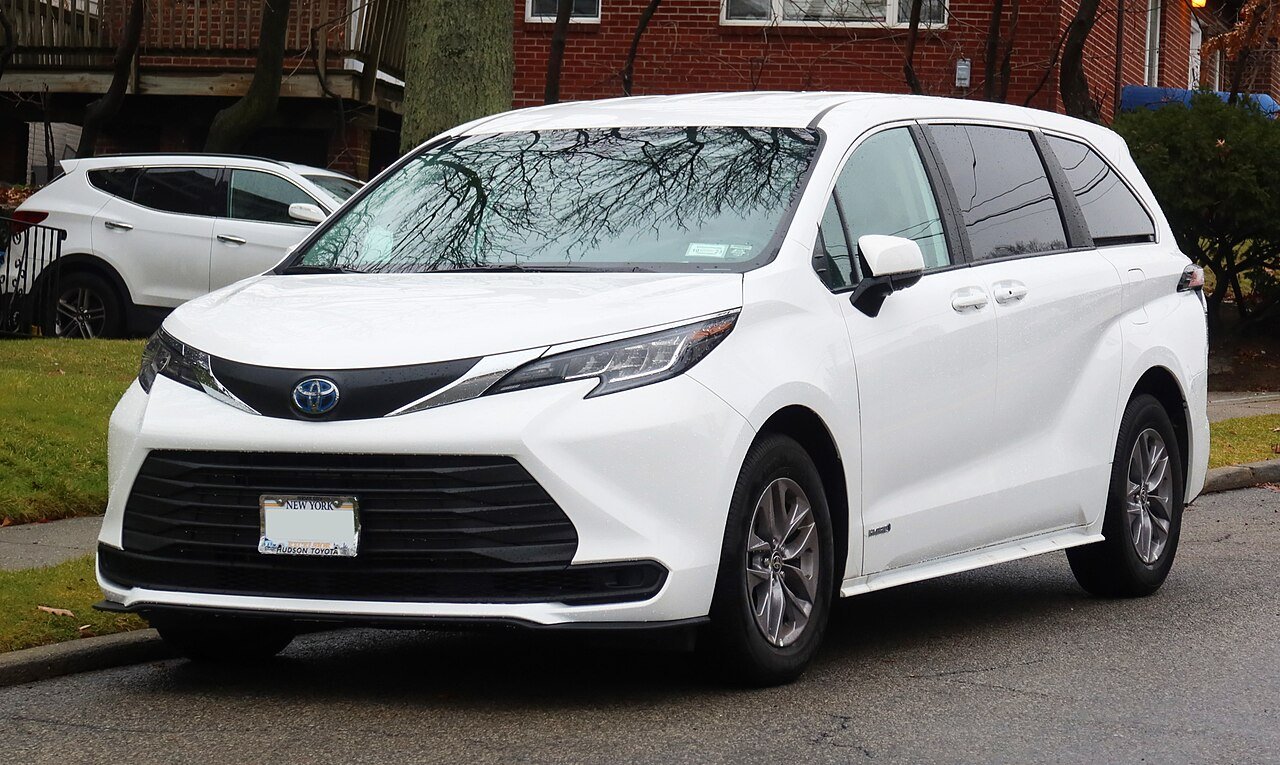
A Toyota Sienna. Photo: Wikimedia Commons (see the file page for author and licence).
What is the Sienna’s reliability reputation?
Toyota vehicles generally have a good name for durability, and the Sienna benefits from that reputation. But a reputation is not a guarantee. How reliable a particular Sienna is depends on its generation, how it was driven, whether it was serviced on time and what kind of roads it has lived on. A well-kept van can serve a family for many years, while a neglected one can become a money pit. For a wider view, read how long Toyota and Honda cars last. The honest approach is to judge the individual van in front of you, not the badge.
Common Toyota Sienna problem areas to check
The points below are general areas that owners and mechanics often pay attention to on minivans like the Sienna. They are not predictions, and not every van will have them. Treat them as a checklist, and ask a trusted mechanic to confirm.
Sliding doors, motors and tracks
Many Sienna models have power sliding doors. They are convenient, but the motors, cables, sensors and tracks work hard, especially when dust, sand or small stones get into the rails. Open and close every sliding door several times, using the key fob, the dashboard button and the handle. Listen for grinding, watch for jerky movement, and check that the door latches fully without being slammed. A door that hesitates or reverses may point to a worn part or a dirty track.
Air conditioning and rear A/C
Lagos heat is not kind to A/C systems, and a van with rear air conditioning has more parts that can fail. Run the A/C on cold with all fan speeds, front and rear, for at least ten minutes. Weak cooling at the back can come from several causes, so ask a technician to check. Also note that using the A/C affects fuel consumption, which we explain in does car A/C use more fuel.
Suspension and tyre wear
A loaded Sienna is heavy, and our potholes and speed bumps punish the suspension. Look for uneven tyre wear, clunking over bumps, a bouncy ride, or the van leaning to one side. Worn bushings, links and shock absorbers are normal wear items on any heavy family vehicle, so budget for a check rather than assuming perfection. Uneven tyres can also hint at alignment trouble or a past accident.
Oil leaks and general engine condition
Look under the van and around the engine for fresh oil or damp, dirty patches. Check the oil level and colour on the dipstick, and look for sludge under the oil cap. Cold-start the engine yourself so you can hear any rough idle, ticking or smoke. Our guide on how to check a used car engine before buying walks through this step by step.
Transmission service history
The gearbox deserves special attention because a repair can be expensive. The shifts should feel smooth, without flaring, harsh jerks or long delays when you select Drive or Reverse. Ask whether the transmission fluid has ever been changed, and when. Read our article on Toyota transmission problems to learn the warning signs, and confirm the correct service interval in the owner’s manual or on the official Toyota website.
Electronics and warning lights
Test the windows, mirrors, power seats, navigation or audio screen, reverse camera, parking sensors and every switch you can find. Then watch the dashboard when you turn the ignition on. Warning lights should come on briefly and go off. If a light stays on, or if a seller says “just ignore it”, walk carefully. A scan by a proper workshop can reveal stored faults.
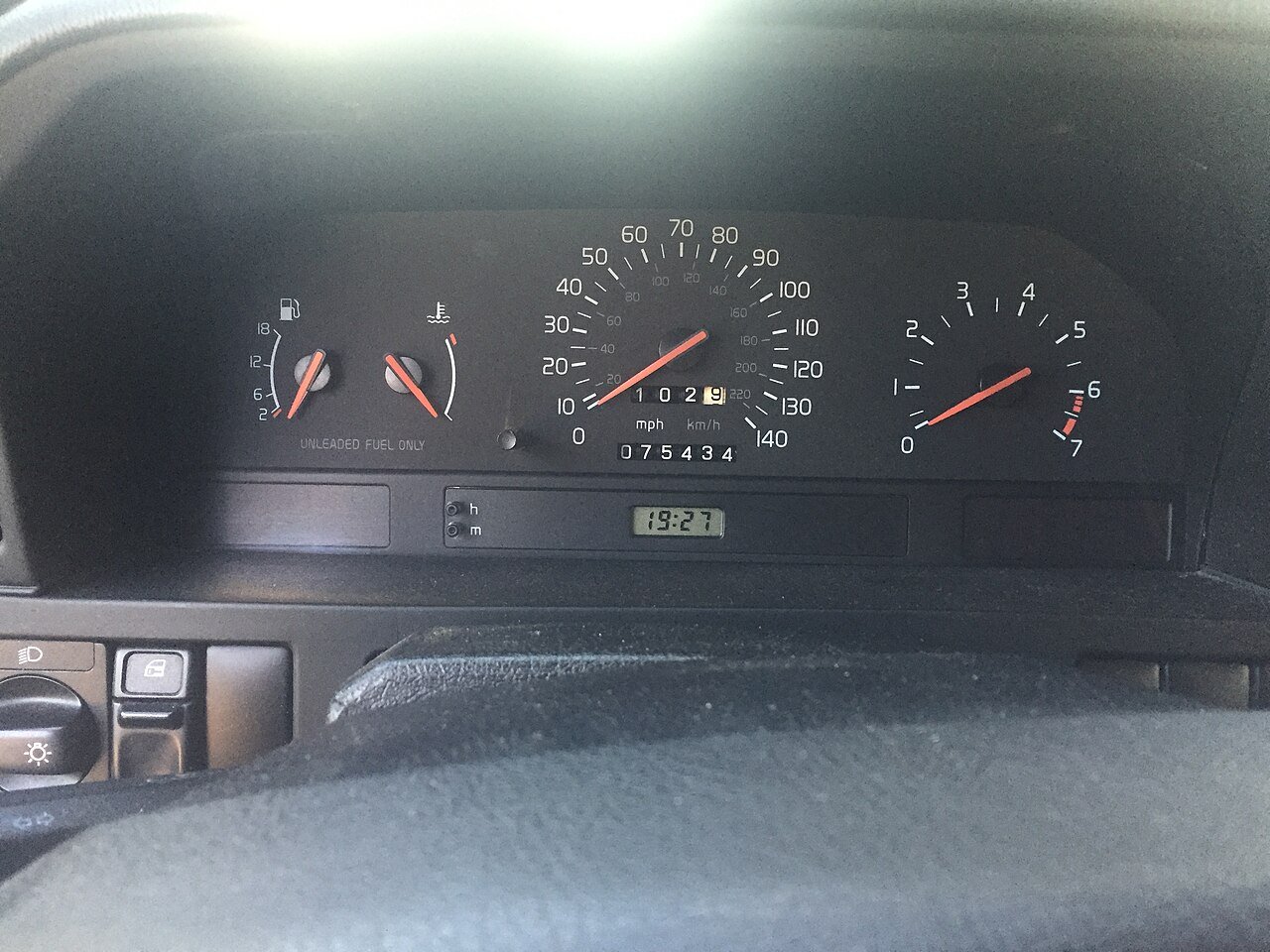
Check that no warning lights stay on. Photo: Wikimedia Commons (see the file page for author and licence).
If the van has a sunroof, its drain tubes can block with dirt and cause water to enter the cabin. After rain, damp carpets, a musty smell, misty windows or stained headlining are warning signs. Lift the floor mats and press the carpet in the footwells and under the seats. Water damage can also affect electronics, so do not ignore a damp smell.
Maintenance habits that keep a Sienna healthy
Change engine oil and the filter on time, using the grade the manufacturer recommends.
Service the transmission fluid according to the schedule, especially if you drive in heavy traffic.
Clean and lubricate the sliding door tracks regularly.
Service the A/C every year before the hottest months, and clean the filters.
Rotate and balance the tyres, and check alignment after hitting a bad pothole.
Keep sunroof drains clear and fix any leak early.
Keep a folder of receipts so the next owner can see the history.
Inspection checklist and test drive
Start with the paperwork: confirm that the chassis number matches the documents and that the customs papers are genuine. Then check the body for uneven panel gaps, mismatched paint and signs of repair. Next, do the checks above, one by one. For a more complete routine, see our used car inspection guide.
On the test drive, choose a route with bumps, a hill and some traffic if possible. Do these things:
Start the engine cold and listen for unusual noises.
Switch off the radio and listen for knocks, whines or squeaks.
Brake firmly from moderate speed and check that the van stays straight.
Let go of the steering wheel briefly on a flat, empty road to see whether it pulls.
Check that gear changes are smooth, both when accelerating and slowing down.
Use the A/C throughout, and then check the temperature gauge afterwards.
Family-use tips
If you carry children, test the seat belts on every row and make sure the child locks on the sliding doors work. Do not overload the third row with heavy luggage, because it strains the suspension and tyres. Check that the third-row seats fold and return smoothly. If you plan long trips, ask a mechanic to check the brakes, tyres and coolant before you travel.
Mistakes to avoid when buying a used Sienna
Buying on looks alone. A clean interior can hide mechanical problems.
Skipping a professional inspection to save a little money.
Believing a seller who says the history does not matter.
Ignoring small issues such as a slow door or weak rear A/C, which can turn into larger repairs.
Rushing because someone else “is also coming to see it today”.
Forgetting to budget for tyres, servicing and minor repairs after purchase.
Frequently asked questions
Is the Toyota Sienna reliable in Nigeria?
It has a good general reputation, but reliability depends on the generation, servicing and how the van was used. Always inspect the specific vehicle.
What is the most important thing to check?
There is no single answer, but the engine, transmission and signs of accident or flood damage deserve the most attention because repairs there can be costly.
Are sliding door problems serious?
Often they are minor, such as a dirty track, but they can also involve motors or cables. Test every door and ask a mechanic if you are unsure.
Should I take a mechanic with me?
Yes. A trusted mechanic can spot worn parts and hidden faults that most buyers miss, and a scan tool can reveal stored error codes.
Final verdict
The Toyota Sienna remains a sensible choice for a Nigerian family that needs space and comfort. Its common problem areas are mostly the ones you would expect from a heavy, well-equipped van: sliding doors, A/C, suspension, leaks, transmission care and electronics. None of them should scare you away if you inspect carefully, take a proper test drive and insist on service records. Verify everything with a trusted mechanic, take your time, and buy the best-kept van you can find, not the cheapest-looking one.
Is a used Honda Accord a smart buy on Nigerian roads? This guide covers reliability, common problem areas, engine choices and a practical inspection checklist.
Finding a trustworthy car mechanic in Nigeria takes a little homework. Here is how to choose one, what to ask, which warning signs to watch for and how to avoid fake parts.
Thinking of a used Range Rover in Nigeria? Here is an honest look at why people love them, what ownership really involves, how to inspect one and who should look elsewhere.
The Toyota Corolla is widely reported as one of the best-selling car nameplates ever. Here is its story, why it suits Nigeria, and what to check before you buy one.
Vehiclespot.ng is a leading car dealer in Nigeria, offering an innovative online automobile marketplace that connects buyers and sellers effortlessly. In addition to buying and selling vehicles, we provide a range of auto services designed to meet all your automotive needs.