A pickup truck can be the hardest-working vehicle you will ever own. It can carry goods to the market, haul farm produce, tow a trailer, and still take the children to church on Sunday. But a wrong choice is expensive. If you buy a pickup truck in Nigeria without thinking about how you will really use it, you may end up with a vehicle that is too small, too thirsty, or too worn out to last. This guide explains the main decisions in plain English.
Start With How You Will Use It
Before you look at any advert, write down your answers to three questions. What will you carry most days? How bad are the roads you drive on? And how many people ride with you? A trader moving goods inside the city needs something different from a farmer on rough bush tracks, and a family that wants one vehicle for everything needs something different again.
Be honest about your heaviest regular load, not the one-time exception. Many buyers choose a truck for the best day and then struggle on the other 300 days of the year.
Single Cab or Double Cab?
This is the first big choice, and it is about people versus cargo.
Single cab
Seats two or three people, with more space left for the load bed.
Good for pure work use: deliveries, building materials, farm produce.
Usually simpler and often tougher, but poor for family trips.
Double cab
Has a proper back seat, so it carries a crew or a family.
Better for mixed use: business on weekdays, family on weekends.
The load bed is shorter, so check that it fits what you carry.
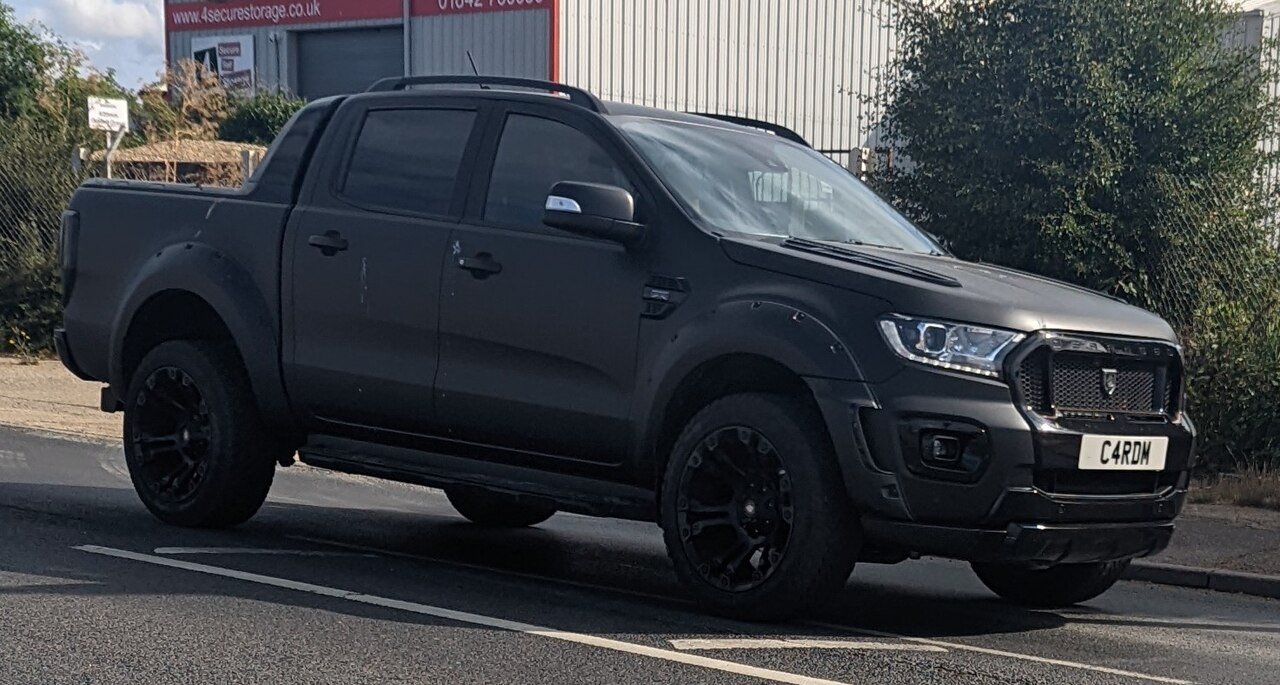
Ford Ranger FX4 MAX double cab (2021 model shown). Photo: Wikimedia Commons (see the file page for author and licence).
2WD or 4WD?
Four-wheel drive (4WD) gives better grip on mud, sand, steep rough tracks and flooded roads. If you farm, work in rural areas, or travel in the rainy season on untarred roads, it can be worth the extra cost. But 4WD also means more parts, more weight, more servicing and usually higher fuel use.
If you stay mostly on tarred roads and city streets, a two-wheel drive (2WD) truck is often enough, cheaper to buy and cheaper to maintain. Many 4WD trucks in Nigeria spend their whole lives never leaving the tar. Pay for 4WD only if you will really use it. If you do buy one, check that the 4WD system engages properly, because a neglected system can be costly to repair.
Diesel or Petrol?
Diesel engines are the usual choice for work pickups because they give strong pulling power at low engine speed, which suits heavy loads and towing. They are also commonly more fuel-efficient when the truck is loaded. The downside is that diesel engines need clean fuel and regular servicing. Poor-quality fuel and skipped filter changes can damage injectors and pumps.
Petrol engines are usually smoother and quieter, and can suit lighter, mostly city use. For heavy daily work, many buyers still lean towards diesel. Whichever you choose, ask for the service history and look at how the engine starts, idles and pulls under load.
Payload and Towing in Simple Terms
Payload is how much weight the truck can carry in the cab and bed together. Towing capacity is how much it can pull behind it. Every model has its own limits, set by the maker, so do not guess. Check the manual or ask a trusted dealer for the figures of the exact model you are buying.
The rule is simple: never plan your daily work around the limit. If you will often carry close to the maximum, step up to a stronger truck. Constant overloading wears out the suspension, brakes, tyres and chassis much faster, and it makes the truck less safe.
Suspension and Bad Roads
Nigerian roads are hard on suspension. Potholes, speed bumps and rough tracks punish shock absorbers, springs and bushings. A pickup that has been overloaded for years often sits low at the back or leans to one side. When you test drive, listen for knocks over bumps, check that the truck tracks straight, and look for oily or leaking shock absorbers.
Tyres tell a story too. Uneven wear can point to worn suspension parts or poor alignment. Budget for a suspension refresh on any older work truck, and treat it as a normal cost of ownership, not a surprise.
Parts and Mechanics: Pick What You Can Maintain
A good truck is only good if you can keep it running. Popular models such as the Toyota Hilux and Ford Ranger have the advantage of many mechanics who know them and a wide choice of spare parts in most big markets. A less common model may be cheaper to buy, but finding parts and a skilled mechanic can cost you days of lost income.
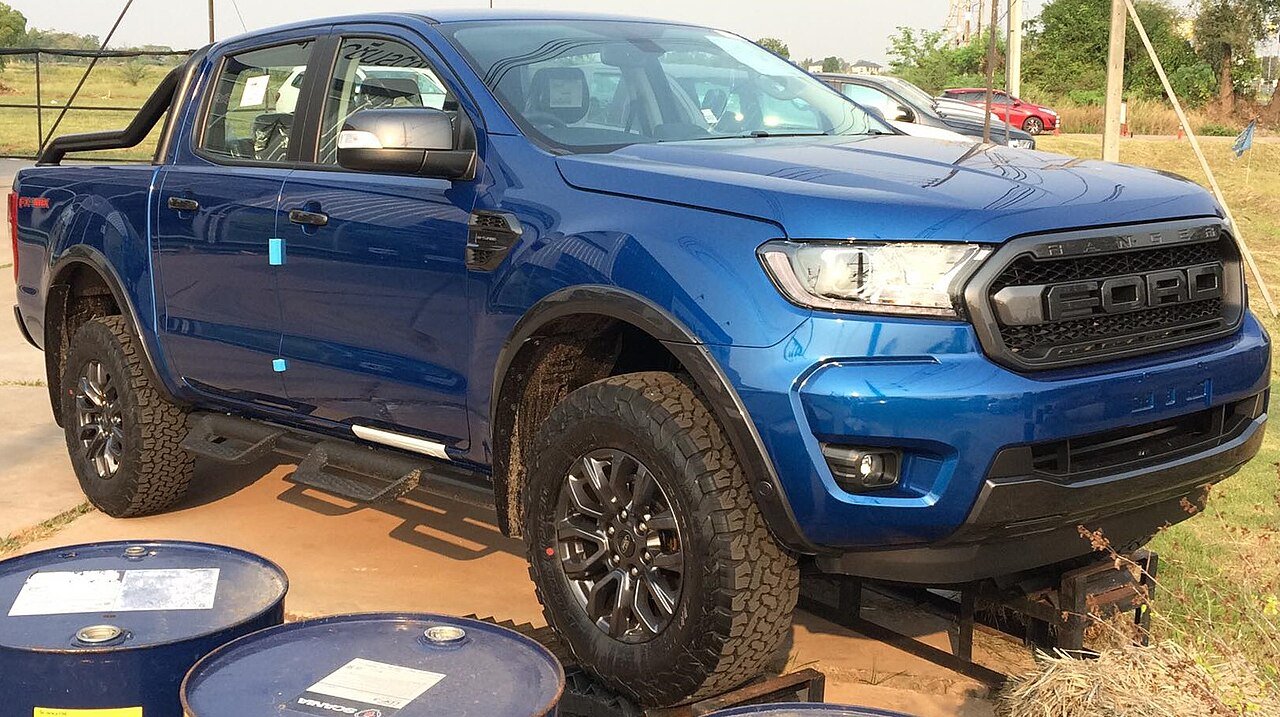
Ford Ranger Wildtrak (2022 model shown). Photo: Wikimedia Commons (see the file page for author and licence).
What to Inspect Before You Pay
Pickups often live harder lives than saloon cars, so inspect them carefully. Our used car inspection guide covers the basics. For a pickup, add these checks:
Chassis and frame: Look underneath for bends, cracks, fresh welding or thick fresh paint hiding repairs. A twisted frame is a deal-breaker.
Rust: Check the frame rails, floor, wheel arches and the underside of the bed, especially if the truck has worked near the coast or in wet areas.
Accident damage: Look for uneven gaps between panels, mismatched paint, and overspray on rubber seals.
Overload damage: Check for sagging rear springs, a bent or dented load bed, and worn rear tyres.
Commercial use wear: A worn driver’s seat, loose steering, a tired clutch and a very worn bed liner suggest hard daily work, whatever the odometer says.
Engine and gearbox: Look for smoke, leaks, rough idle, slipping gears or a heavy clutch.
If you are not confident, pay a trusted mechanic to inspect it. The fee is small compared with a bad purchase.
Paperwork and Insurance
Never buy a truck without clear papers. Ask to see the vehicle licence, proof of ownership, and customs documents if it is an imported vehicle. Make sure the chassis and engine numbers on the papers match the truck itself, and that the seller is the person named on the documents. If anything looks unclear, walk away.
Insurance matters even more for pickups used in business. A policy for private use may not cover a truck that carries goods for pay or is used for trade. Tell your insurer exactly how you will use the vehicle and ask what is covered. Our guide to car insurance in Nigeria and how to choose a type explains the options.
Who Should Pick What?
Small trader or delivery business: A single cab or double cab 2WD diesel, chosen for easy parts and low running cost.
Farmer: A diesel 4WD if tracks are rough and muddy, with strong suspension and a bed sized for your loads.
Family that also needs a work truck: A double cab, so the back seat and the load bed both earn their keep.
Contractor or site manager: A double cab 4WD, to carry both a crew and tools.
Frequently Asked Questions
Is a double cab pickup good for a family?
Yes, it is a common choice. You get a back seat for passengers and a bed for luggage or goods. Just remember that the ride is firmer than a car, especially when the bed is empty.
Do I really need 4WD?
Only if you often drive on mud, sand, steep rough tracks or flooded roads. For tarred roads and normal city use, 2WD is usually enough and costs less to buy and maintain.
Is a used pickup worth buying?
It can be, if you inspect the chassis, suspension and engine carefully, confirm the papers are clean, and check how the truck was used. A well-kept used truck often beats a neglected one that looks newer.
Conclusion
The best pickup truck in Nigeria is the one that fits your real work, your roads and your budget. Decide on cab size and drive type first, pick an engine you can maintain, choose a model with easy parts, and inspect the frame, suspension and papers before you pay. Take your time, bring a good mechanic, and you will have a truck that earns its keep for years.
Thinking of a small SUV in Nigeria? Here is how to judge the Toyota Yaris Cross and other subcompact crossovers for bad roads, fuel use, parts and resale.
A hybrid car battery can last many years, but age, heat, use and care all matter. Learn the warning signs and how to check a used hybrid before you buy in Nigeria.
Thinking of buying a used RAV4? Here are the Toyota RAV4 problems often reported, what to inspect, how to test drive, and when to walk away in Nigeria.
Vehiclespot.ng is a leading car dealer in Nigeria, offering an innovative online automobile marketplace that connects buyers and sellers effortlessly. In addition to buying and selling vehicles, we provide a range of auto services designed to meet all your automotive needs.