The Toyota RAV4 has a strong reputation in Nigeria for being comfortable, economical and easy to resell. But a good reputation does not make every used unit a good buy. The most common Toyota RAV4 problems on used cars usually come from age, poor servicing, accident repairs and rough use, not from the badge. This guide shows you what is often reported, what to check, and when to simply walk away.
If you are still deciding whether the RAV4 is right for you, start with our Toyota RAV4 buyer’s guide for Nigeria, then come back here to inspect a specific car.
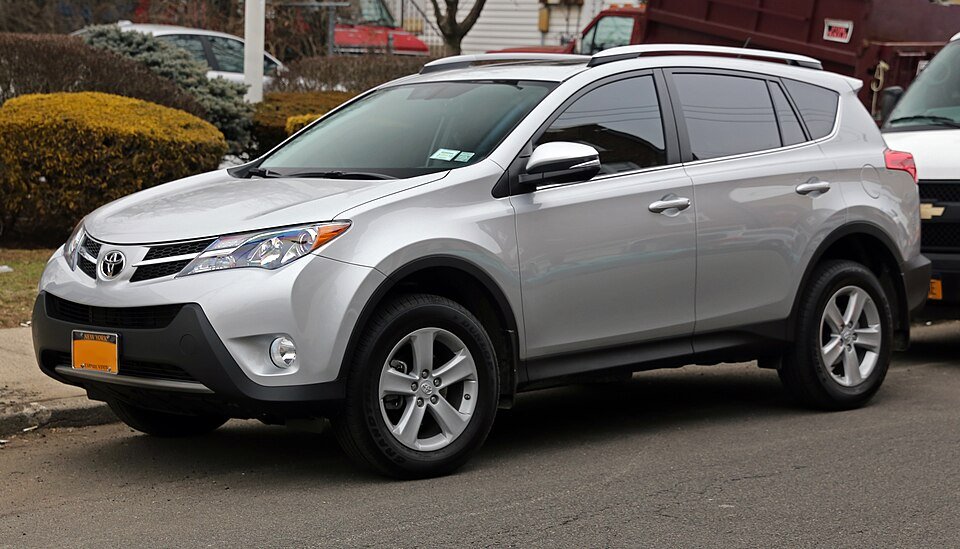
Toyota RAV4 (2013 model shown). Photo: Wikimedia Commons (see the file page for author and licence).
Why Toyota RAV4 Problems Differ From Car to Car
The RAV4 has been built in several generations, with different engines, gearboxes and drivetrains. A problem reported on one generation may not exist on another. That is why you should never trust a general statement like “RAV4s never give trouble”. Check the exact car in front of you, and ask for its service history.
In Nigeria, three things matter more than the model year: how the car was maintained, whether it has been in an accident or flood, and how it was driven. A well-kept older RAV4 can be a better buy than a neglected newer one.
Common Areas to Check on a Used RAV4
Engine oil consumption and leaks
Some engines in some generations are often reported to use more oil than expected, especially when oil changes were skipped or cheap oil was used. Others develop leaks from gaskets and seals as they age. Ask the seller when the oil was last changed, and check the dipstick. The oil should be at the right level and not look thick, black and sludgy. Look under the engine and around the valve cover for wet patches or fresh dirt stuck to oil.
Blue smoke from the exhaust, especially on start-up or when you accelerate, can point to oil being burned. Do not ignore it.
Suspension and steering
Our roads punish suspension parts. Worn bushings, ball joints, shock absorbers and stabiliser links are common on used SUVs. Listen for knocking over bumps, check for a loose or vague steering feel, and watch whether the car pulls to one side. Uneven tyre wear is also a clue that something is worn or the alignment is off.
AWD system and transfer case
Many RAV4s sold in Nigeria are all-wheel drive. AWD parts are more complex and costlier to repair than a simple front-wheel-drive setup. Listen for humming, grinding or clunking from the rear when turning or accelerating. Check the tyres: mismatched sizes or very different wear levels can strain an AWD system. If you are not sure, ask a mechanic to inspect the rear differential and transfer area for leaks.
Air conditioning
In our weather, AC is not a luxury. Turn it on fully and let it run for several minutes. The air should become properly cold, the fan should work on every speed, and there should be no strange smell or loud compressor noise. A weak AC may be a simple gas refill, or it may be a leaking condenser or failing compressor, so ask the mechanic to look at it.
Transmission behaviour
Gear changes should feel smooth. Be careful with jerking, slipping, delayed engagement when you move from Park to Drive, or flaring revs between gears. Also check the fluid condition if the car allows it. For a deeper walk-through, read our guide on how to check a used car transmission before buying.
Brakes
Brake pads and discs wear out, and that is normal, but the way they wear tells a story. A pulsing pedal can mean warped discs. Squealing or grinding means pads are finished. The car should stop in a straight line without pulling. A soft pedal needs attention before you pay.
Electrics and warning lights
Test every window, central locking, mirrors, lights, wipers, radio, reverse camera and parking sensors if fitted. Switch on the ignition and confirm that every warning light comes on briefly and then goes off. A light that never comes on may have been tampered with, and one that stays on needs a proper scan, not a quick explanation from the seller.
Accident and flood history
This is the biggest risk with imported used cars. Signs of past accident repair include uneven gaps between panels, paint that does not match from one panel to another, overspray on rubber seals, and bolts with disturbed paint. Signs of flood damage include a damp or musty smell, silt or mud in hidden places such as under the seats and spare wheel area, rust on seat rails and pedals, and fogged lights. If you suspect either, walk away or get an expert opinion.
Rust
Check the underbody, wheel arches, door bottoms, the boot floor and around the tailgate. Light surface rust on some parts can be normal, but flaking or holes in structural areas are not. Rust is more common on cars that spent time in coastal or wet conditions.
Inspection Checklist Before You Pay
Use this as a quick list when you see the car. For a full version, see our used car inspection guide.
Check the engine bay and underside for oil, coolant or fluid leaks.
Check the oil and coolant level and condition.
Look at all four tyres for matching brand, size and even wear.
Inspect the body for mismatched paint and uneven panel gaps.
Check carpets, seat rails and the spare wheel well for damp or mud.
Test the AC, every window, lock, light and warning lamp.
Scan the car with a diagnostic tool and note any stored faults.
Confirm that the chassis number matches the documents.
Ask a trusted mechanic to look at the car, even if it looks clean.
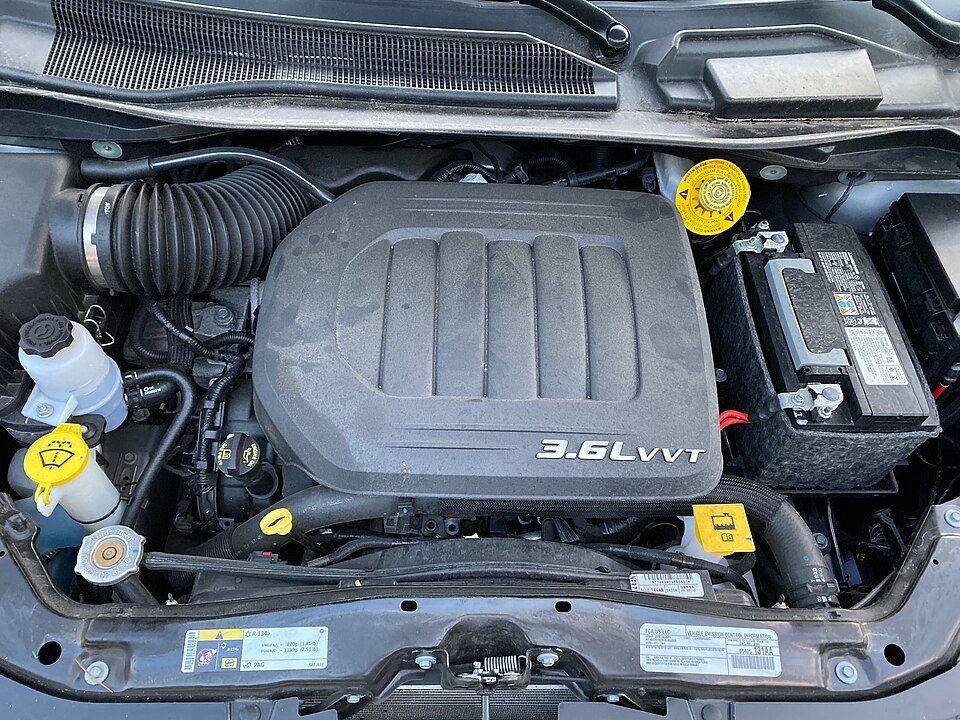
An engine compartment being inspected; always check for leaks and fluid condition. Photo: Wikimedia Commons (see the file page for author and licence).
How to Test Drive a RAV4
Do not just drive around the block. Try to cover at least 20 to 30 minutes on different road types.
Start cold if you can. Ask the seller not to warm up the car before you arrive. Cold starts reveal rough idle, smoke and strange noises.
Drive slowly over bad road. Listen for knocks and rattles from the suspension.
Accelerate firmly. The gearbox should shift smoothly without slipping or harsh jerks.
Brake hard, safely. The car should stop straight, with no vibration.
Take slow tight turns. Listen for clicking or grinding, which may point to driveshaft or AWD trouble.
Keep the AC on. Make sure it stays cold and the engine does not struggle.
Check the temperature gauge. It should stay steady, even in traffic.
Questions to Ask the Seller
Where did the car come from, and how many owners did it have?
Is there any service record, and when was the last oil and gearbox service?
Has it been in an accident, repainted or flooded?
Why are you selling it?
Are the customs papers and ownership documents complete and genuine?
Can my mechanic inspect it before I pay?
A genuine seller will answer calmly and allow an inspection. If the person becomes defensive or rushes you, treat that as a warning. To compare the RAV4 against a close rival before you decide, read our Toyota RAV4 vs Honda CR-V comparison.
What Does a RAV4 Cost to Own?
In general terms, the RAV4 is often seen as reasonable to run, and many parts are easy to find in Nigerian markets. Still, budget beyond the purchase price. Expect to pay for fuel, insurance, regular servicing, tyres, brake parts and the usual suspension work that older SUVs need. AWD versions tend to cost more to maintain than front-wheel-drive ones. It is wise to keep a reserve fund for repairs in the first few months after buying, because even a good used car may need some attention. For model details and official information, you can visit the manufacturer’s website at Toyota.
When to Walk Away
No car is worth the stress if the warning signs are serious. Walk away if:
You see signs of flood damage or poor accident repair.
The gearbox slips, jerks or refuses to engage properly.
The engine smokes heavily, overheats or leaks badly.
The seller will not allow an independent inspection.
The documents do not match the car or look doubtful.
The price is far below similar cars with no clear reason.
There are many RAV4s on the market. You do not need to rush into a bad one.
Frequently Asked Questions
Is the Toyota RAV4 reliable in Nigeria?
It is generally regarded as a dependable SUV, and spare parts and mechanics are widely available. However, reliability on a used unit depends heavily on its maintenance, history and condition, so inspect each car on its own merits.
Which Toyota RAV4 problems should worry me most?
Hidden accident or flood damage, a misbehaving transmission, heavy oil consumption or leaks, and AWD faults are usually the most expensive to fix. Smaller issues like worn suspension parts and weak AC are common but easier to budget for.
Should I use a mechanic even if the car looks clean?
Yes. A clean exterior can hide problems. A trusted mechanic with a scan tool can spot leaks, stored faults and repair work that you would miss, often saving you far more than the inspection fee.
Conclusion
The Toyota RAV4 can be an excellent used purchase, but only if you buy the right one. Know the common problem areas, inspect carefully, test drive properly, ask direct questions and be ready to walk away. Take your time, involve a good mechanic, and you will greatly improve your chances of getting a RAV4 that serves you well for years.
A hybrid car battery can last many years, but age, heat, use and care all matter. Learn the warning signs and how to check a used hybrid before you buy in Nigeria.
Vehiclespot.ng is a leading car dealer in Nigeria, offering an innovative online automobile marketplace that connects buyers and sellers effortlessly. In addition to buying and selling vehicles, we provide a range of auto services designed to meet all your automotive needs.