Few things spoil a drive like a new symbol glowing on your instrument panel. Most drivers in Nigeria have, at some point, nervously ignored one and hoped it would go away. Understanding car dashboard warning lights takes the guesswork out of that moment, helps you avoid expensive damage, and stops you from panicking over lights that are only telling you something minor.
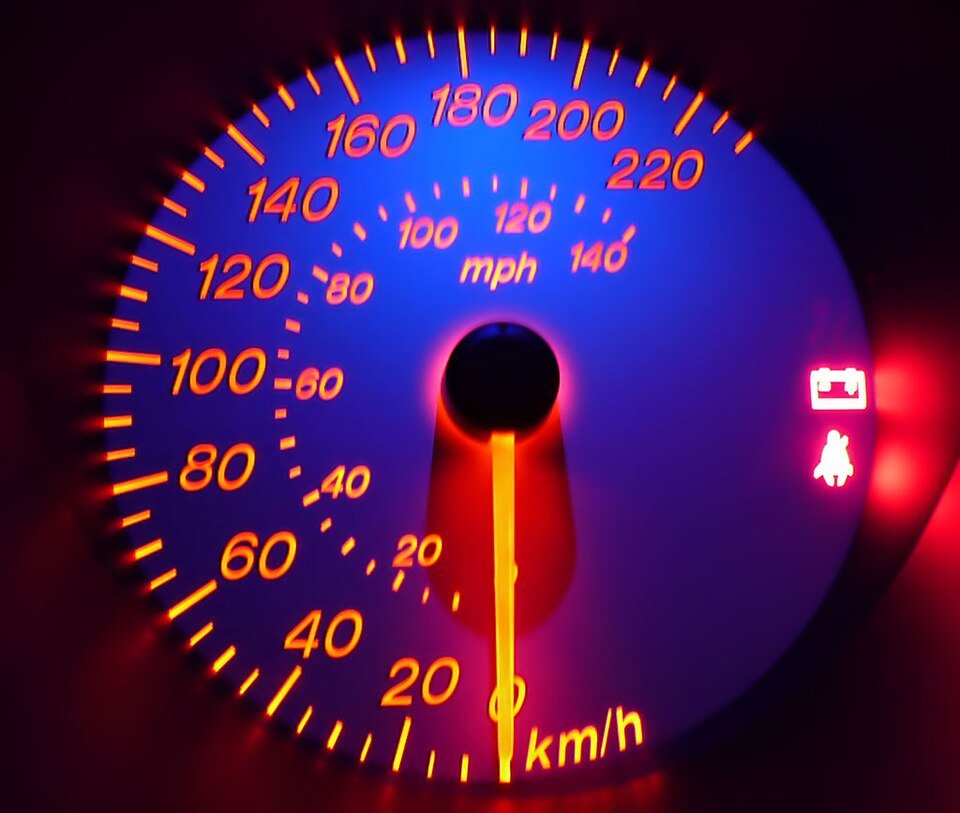
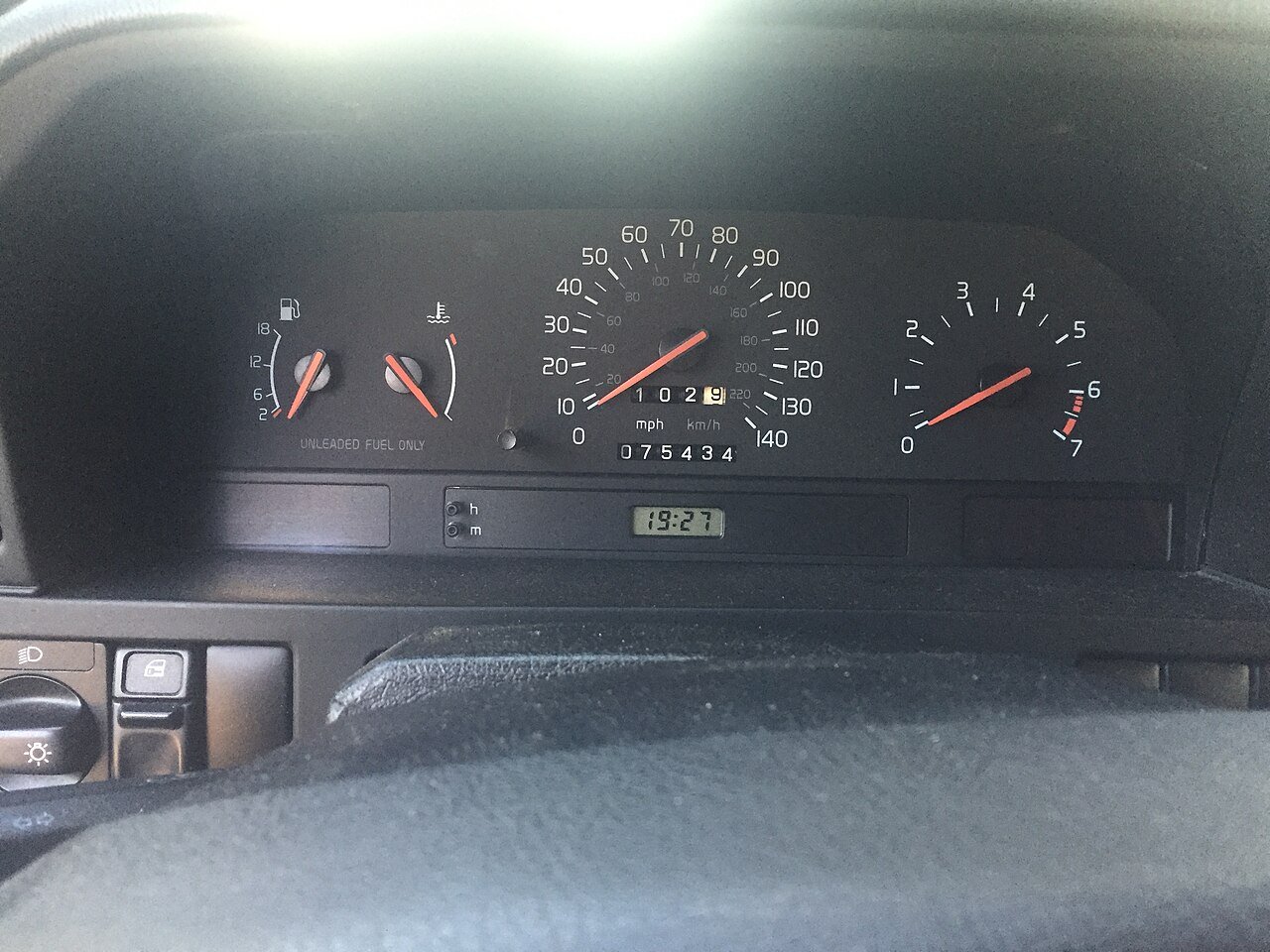
Dashboard instrument cluster with warning indicators. Photo: Wikimedia Commons (see the file page for author and licence).
This guide explains the colour logic first, then walks through the common lights one by one, with plain advice on what is safe to keep driving with and what is not.
The colour logic: red, amber and green or blue
Almost every manufacturer follows the same traffic-light idea, even when the symbols differ.
Red: something serious. Find a safe place, slow down and stop the car. Do not keep driving “just to reach the mechanic” unless you are very sure the risk is low.
Amber or yellow: something needs attention soon. You can usually continue carefully, but get the car checked within days, not months.
Green or blue: information only. These show that a system, such as headlights or cruise control, is switched on.
A flashing light is generally more urgent than a steady one of the same colour. A flashing check engine light, for example, deserves more respect than a steady one.
Check your owner’s manual first
Symbols vary between makes, models and even model years. A light that looks familiar on a Toyota may mean something slightly different on a Mercedes or a Kia. Keep the owner’s manual in the glove box (or save a digital copy on your phone) and use it as the final word. Many cars also run a quick bulb check when you turn the ignition on, so brief lights at start-up are normal. What matters is a light that stays on or comes on while driving.
Common car dashboard warning lights and what to do
Oil pressure warning light
Usually a red oil can. It means the engine is not getting adequate oil pressure, which may be caused by low oil, a failing oil pump or a leak. This is a stop-now light. Park safely, switch off the engine and check the dipstick once the engine has cooled for a few minutes. If the level is low, topping up with the correct oil may help, but if the light stays on after that, do not drive. Running an engine without oil pressure can destroy it quickly. Have it towed.
Battery and charging light
A battery-shaped symbol. It does not always mean the battery itself is bad. More often the charging system, such as the alternator or its belt, is not charging properly. The car is then running on stored battery power and will eventually die. Switch off unnecessary electrics (air conditioning, stereo, heated seats) and head straight to a mechanic or auto-electrician, ideally close by. If the light comes on with a squealing noise, the belt may be slipping or broken. For more on what goes wrong in this area, see our guide to common car electrical problems in Nigeria.
Engine temperature warning light
Often a thermometer sitting in wavy lines. When it turns red, the engine is overheating. Pull over as soon as it is safe and switch off the engine. Do not open the radiator cap while hot, because pressurised coolant can cause serious burns. Wait for the engine to cool, then check the coolant level. Driving an overheated engine can warp the cylinder head and lead to a very costly repair, so this is not a light to “drive through”. If you only see a blue thermometer, it simply means the engine is still cold.
Brake system warning light
A red circle with an exclamation mark, or the word BRAKE. It can mean the handbrake is still on, the brake fluid is low, or there is a hydraulic fault. First check that the parking brake is fully released. If the light stays on, test the pedal gently and drive slowly to a safe stop. A soft or sinking pedal is an emergency. Do not continue driving a car with a suspected brake fluid problem. If your brakes feel like they are failing, read what to do when car brakes fail so you know the steps before it happens.
ABS warning light
An amber “ABS” in a circle. The anti-lock braking system has detected a fault, so that feature may not work. Your normal brakes should still function, which is why this light is amber rather than red. You can usually drive carefully to a workshop, leaving extra stopping distance, especially on wet roads. If the ABS light and the brake light appear together, treat it as a red-level problem and stop.
Airbag warning light
A seated person with a circle in front of them. It tells you the airbag system, or the seat belt pretensioners, has a fault and may not deploy in a crash. The car will still drive normally, so people ignore this. Do not. It is a safety issue worth fixing soon. Faulty wiring under the seats, a poorly fitted seat cover or a previous accident repair can be the cause.
Tyre pressure warning (TPMS)
An amber horseshoe shape with an exclamation mark. One or more tyres are under-inflated. Check pressures with a gauge when the tyres are cold and inflate to the figure on the sticker inside the driver’s door or in the manual. If the light flashes and then stays on, the sensor system may have a fault. A tyre that keeps losing air may have a puncture or damaged valve. Underinflated tyres wear unevenly and are dangerous at speed; see our advice on when to replace car tyres in Nigeria.
Car dashboard controls. Photo: Wikimedia Commons (see the file page for author and licence).
Check engine light
An engine outline, sometimes labelled “CHECK” or “MIL”. It is a general warning that the engine management system has logged a fault, from a loose fuel cap to a failing sensor or misfire. Steady means get it scanned soon. Flashing usually signals a misfire that can damage the catalytic converter, so reduce speed and load and get help quickly. Our full guide on the check engine light and what to do covers scanning and common causes.
Power steering warning light
A steering wheel with an exclamation mark, usually amber or red. The assistance may be reduced or lost. The car can still be steered, but it will feel much heavier, particularly at low speed and when parking. Drive carefully and have it checked quickly. If the light is red, or steering feels abruptly stiff, stop and get help.
Transmission warning light
A gear symbol with an exclamation mark, or a temperature warning for the gearbox. It may mean the transmission fluid is overheating or there is an electronic fault. Reduce load, avoid hard acceleration and stop if the car shifts harshly or slips. Continuing to drive can cause expensive gearbox damage. Many cars go into a limited “limp mode” to protect themselves, so get it diagnosed promptly.
Seat belt reminder
A red or amber figure with a belt across. It simply tells you someone is not buckled up. It is harmless to the car, but never ignore it; the belt is your most effective safety device.
Fuel warning light
A petrol pump symbol, normally amber. It means you are running low. The distance remaining after it appears varies by car, so do not rely on a guess, and avoid habitually driving on reserve. Running very low can pull sediment into the fuel system and overheat the pump. Refuel at the next trustworthy station.
Diesel particulate filter and glow plug lights
On diesel cars, an amber box with dots signals a blocked particulate filter, and a coil symbol relates to glow plugs. A filter light often clears after a longer drive at steady speed, but if it stays on, see a diesel specialist. A flashing glow plug light usually points to an engine management fault.
Keep driving or stop? A quick summary
Stop safely now: red oil pressure, red engine temperature, red brake system, and any red light you cannot explain.
Drive gently and fix soon: amber ABS, steady check engine, TPMS, power steering, airbag and fuel lights.
Information only: green and blue indicators such as headlights, cruise control and fog lights.
For official safety guidance on vehicle systems and recalls, the NHTSA website is a useful reference, although some details are specific to the US market.
Frequently asked questions
Can I drive with the check engine light on?
Often yes, for a short time, if it is steady and the car drives normally. If it flashes, or the car shakes, loses power or smells of fuel, stop and get help. Either way, have the code read soon rather than waiting.
Why did a warning light come on and then go off?
Some faults are intermittent, such as a loose connection or a sensor that fails only in certain conditions. The car’s computer usually stores the fault even after the light goes out, so a mechanic with a scanner can still find it. Do not assume the problem has vanished.
Is it safe to reset the light by disconnecting the battery?
It is not a good idea. It may clear the light temporarily but does not fix the cause, and it erases useful diagnostic data. The light will usually return, and you may lose stored radio and ECU settings.
Conclusion
Dashboard warning lights are your car’s way of speaking up before a small problem becomes a breakdown. Remember the colours: red means stop safely, amber means check soon, and green or blue means information. Learn the lights that matter most, keep your manual handy, and when in doubt, have a qualified mechanic scan the car. A short, cheap inspection now is almost always better than an expensive repair later.
Is a used Honda Accord a smart buy on Nigerian roads? This guide covers reliability, common problem areas, engine choices and a practical inspection checklist.
Vehiclespot.ng is a leading car dealer in Nigeria, offering an innovative online automobile marketplace that connects buyers and sellers effortlessly. In addition to buying and selling vehicles, we provide a range of auto services designed to meet all your automotive needs.