Charging speed is the part of electric car ownership that surprises new buyers most. The same battery can take over ten hours on a basic socket and under an hour on a fast charger. This guide explains the three charging levels in plain language, so you know what to plan for.
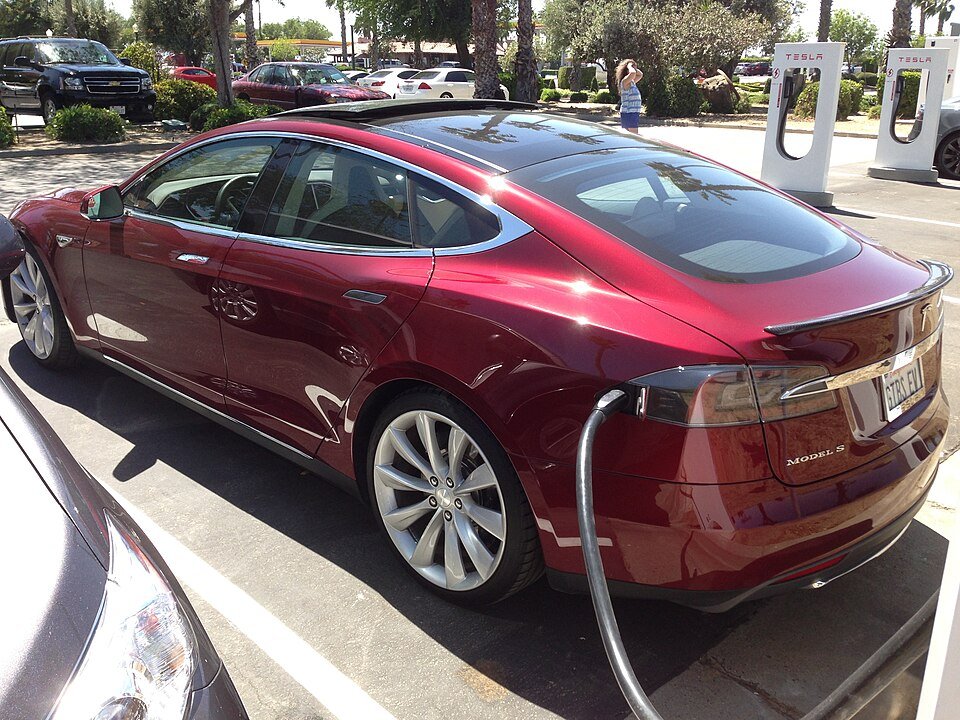
An electric car at a fast charging station. Photo: Wikimedia Commons (see the file page for author and licence).
The three levels
The US Environmental Protection Agency’s guide to plug-in vehicle charging describes them as follows. Figures are US-based and are used here to show the relative differences.
Level 1
Level 2
DC fast charging
Supply
Standard household outlet (120 V in the US)
240 V dedicated outlet and charger
Direct current straight into the battery
Power
About 1.9 kW
About 6.6 kW
Much higher, varies by station
Range added
About 5 miles per hour
About 25 miles per hour
About 100 to 300+ miles per 30 minutes
Typical use
Overnight at home
Faster home or workplace charging
Quick top-ups and highway trips
The EPA also notes that charging is fastest when the battery is nearly empty. Stopping around 80% is often quicker, because charging to 100% can take about twice as long. Actual times vary with battery size, temperature and charge level.
What this means in Nigeria
Nigerian mains is 230 V. A basic socket can charge slowly overnight. A dedicated home charger is faster but needs proper wiring by a qualified electrician.
Brake fluid absorbs moisture and loses effectiveness over time. Learn how often to replace it, what a spongy pedal means and why old fluid is a safety risk.
A five-minute fluid check can prevent overheating, brake problems and breakdowns. Learn how to check engine oil, coolant, brake fluid, transmission and washer fluid safely.
Hybrids still have engines, so most servicing is familiar, but brakes, batteries and cooling differ. Here is what changes and who should service your hybrid.
Vehiclespot.ng is a leading car dealer in Nigeria, offering an innovative online automobile marketplace that connects buyers and sellers effortlessly. In addition to buying and selling vehicles, we provide a range of auto services designed to meet all your automotive needs.