The Toyota bZ4X is the first fully electric SUV from a brand Nigerians trust for reliability. That name alone makes many buyers curious. But a car that works well in London or Tokyo does not automatically work well in Lagos, Abuja or Port Harcourt. In this guide we look at the Toyota bZ4X in Nigeria with honest eyes: what is attractive about it, what could go wrong, and who should (and should not) consider one.
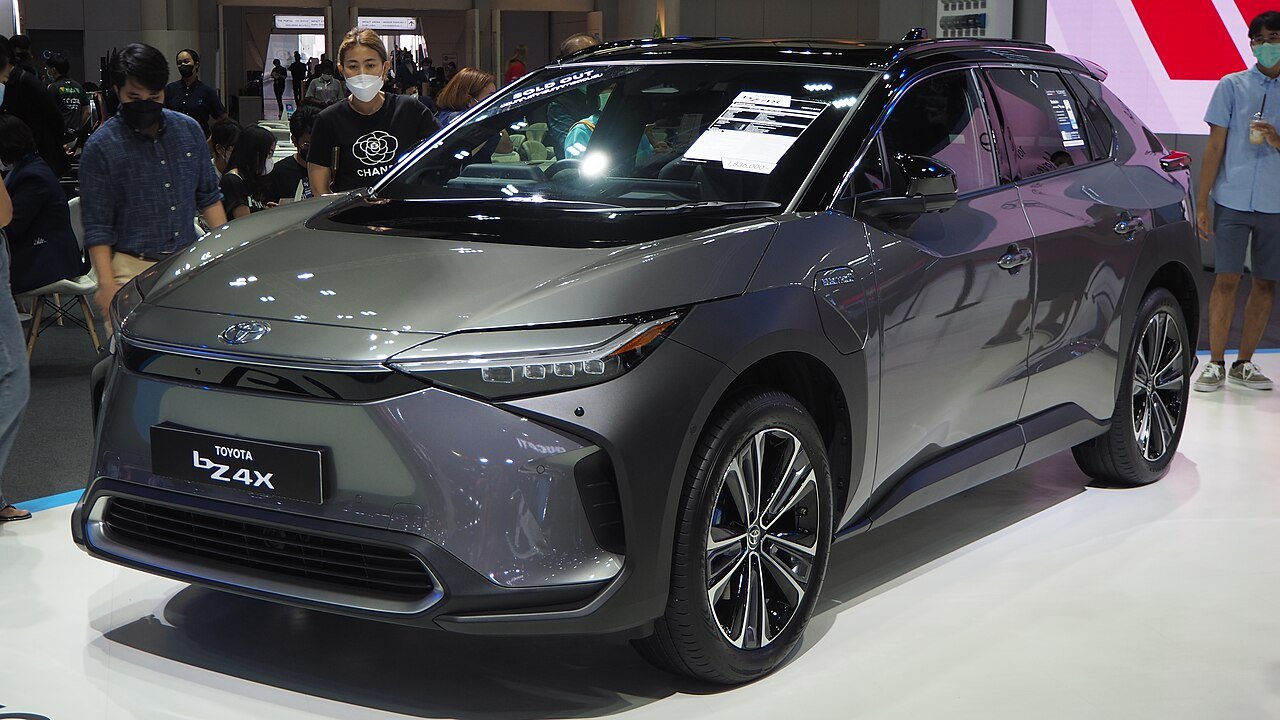
Toyota bZ4X (2022 model shown). Photo: Wikimedia Commons (see the file page for author and licence).
What the Toyota bZ4X is
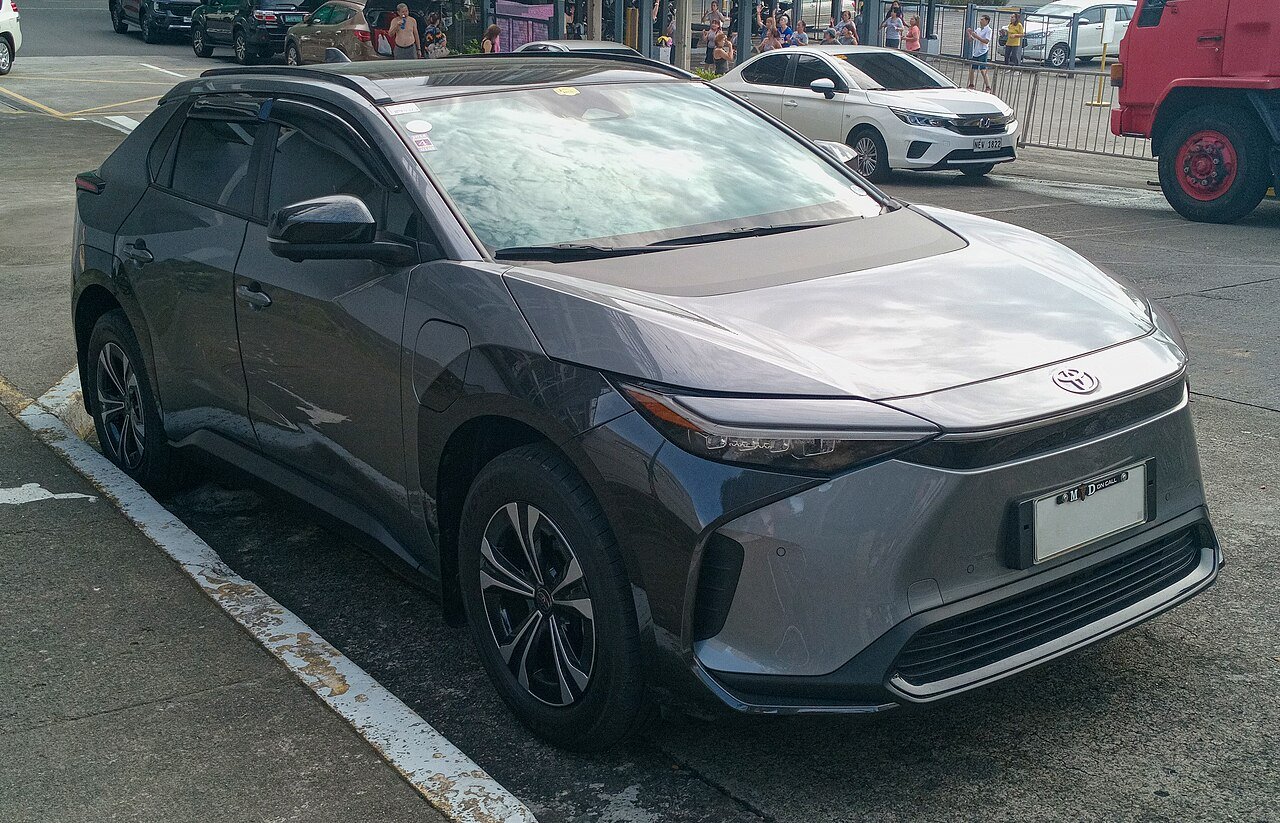
The bZ4X is a battery-electric crossover SUV. It has no petrol engine at all. You charge it from a plug, and an electric motor drives the wheels. Toyota offers it in different versions in different markets, so the exact battery size, power and features depend on the model year and where the car was sold. Always check the details of the specific car you are looking at instead of trusting a general description. You can see the manufacturer’s own information on the official Toyota website.
If you want a wider picture of what is available, our guide to the top electric cars in Nigeria is a good place to compare options.
The real benefits of an electric SUV
Electric cars do have real advantages, and some of them matter even in Nigeria.
Quiet driving. There is no engine noise, so the cabin is calm, even in heavy traffic.
Smooth, instant pull. Electric motors deliver power immediately, which makes city driving relaxed.
Lower running cost in general terms. Electricity is usually cheaper per kilometre than petrol, and there are fewer moving parts to service. No engine oil changes, for example. How much you really save depends on your power source, which we explain below.
No fuel queues. If you can charge at home, you skip the petrol station completely.
The big problem: charging in Nigeria
This is the most important section of this article. Public fast charging in Nigeria is still very limited. A few chargers exist in some big cities, but you should not assume you will find one near your home, office or on your route. Before buying, check yourself where chargers actually are and whether they work. Do not rely on a seller’s promise.
That means an electric car in Nigeria is realistically a car you charge at home or at your workplace. If you cannot charge where you park overnight, the bZ4X will be a daily headache.
Power supply and the grid
Many areas face unstable electricity from the national grid. Outages, voltage swings and sudden cuts are common in many places. A car battery is large, and charging it takes hours. If your supply keeps dropping, charging becomes slow, unpredictable and sometimes impossible.
Voltage swings can also be a concern for charging equipment. Ask a qualified electrician how to protect your charger and wiring, and ask what the car manufacturer recommends.
Solar, inverter or generator?
Some owners think of charging from solar panels and an inverter system. This can work, but it is not cheap and not small. A system that can charge a large car battery regularly needs enough panel capacity, enough battery storage, and an inverter that can handle the charging load. Get a written quote and a clear explanation from a reputable installer before you buy the car, not after.
Charging from a petrol or diesel generator is technically possible in some setups, but it removes much of the cost and noise advantage, and you should confirm with the car maker and an electrician that it is safe for the car and charger. If you end up burning fuel to charge a car, the idea of cheap electric motoring loses its point.
Servicing, parts and battery warranty
Toyota is well known in Nigeria, but that does not mean every Toyota workshop can repair an electric vehicle. EVs use high-voltage systems that need trained technicians and the right equipment. Before buying, verify:
Is there an authorised service centre in your city that will actually work on a bZ4X?
Are spare parts, especially body parts and electrical components, available, and how long do they take to arrive?
Does the battery warranty apply to a car that was bought abroad and shipped to Nigeria? Warranties often depend on the market where the car was originally sold. Ask for this in writing from the dealer or Toyota.
What happens if the battery needs inspection or replacement, and who will do it locally?
If nobody can give you clear answers, treat that as a warning sign.
Toyota bZ4X (2023 model shown). Photo: Wikimedia Commons (see the file page for author and licence).
Importing one: duty and paperwork
Because the bZ4X is not something you will find at every dealer here, most buyers would need to import it or buy one that has already been imported. Import duty, levies and any special treatment for electric vehicles can change, so do not trust old information or a seller’s verbal claim. Speak to the Nigeria Customs Service or a licensed clearing agent about the current rules and total cost before you pay for anything. Our overview of Nigeria’s vehicle import policies and regulations explains the basics and the questions to ask.
Also check that the car you are buying has a clean history, that it is the right specification for your needs, and that the documents match the car.
Resale value: an open question
Resale is uncertain. The Nigerian used-car market is still small for electric vehicles. Buyers worry about charging, battery condition and repair access, so it may be harder to find a buyer, and you may have to accept a lower price or wait longer. A petrol Toyota is usually easy to sell; an EV is a different story. If you plan to sell in a few years, factor this risk in.
bZ4X versus a hybrid
For many Nigerian buyers, a hybrid is the more practical step. A hybrid uses petrol, so you can refuel at any station, and it still saves fuel compared with a regular petrol car. You do not need a home charger, and servicing is usually easier to find. The trade-off is that a hybrid still burns fuel and is not as quiet or as simple as a full EV.
People with their own compound or garage and dependable electricity, or a properly sized solar and inverter system.
Drivers with mostly short, predictable daily trips, such as home to office and back, who can charge every night.
Buyers who have confirmed servicing, parts and warranty support in writing.
Households that already have another car for long or uncertain trips.
Who should not buy one
Anyone who parks on the street or in a shared space with no safe place to plug in.
Anyone in an area with very poor power and no budget for solar or a strong backup system.
Drivers who regularly travel long distances between cities, where charging stops may not exist.
Buyers who depend on easy resale or cannot afford the risk of an expensive repair.
Frequently asked questions
Can I charge a Toyota bZ4X at home in Nigeria?
Possibly, if you have a safe parking space with a proper, well-installed power point and a supply stable enough to charge for several hours. Have an electrician check your wiring and protection first, and confirm the right charging equipment for your specific car.
Is the Toyota bZ4X cheaper to run than a petrol SUV?
In general terms, electricity costs less per kilometre than petrol, and EVs need less routine maintenance. But if you depend on a generator or an expensive solar setup to charge, the savings can shrink or disappear. Work out your own numbers using your real power cost.
Will Toyota Nigeria service and warrant a bZ4X?
We cannot confirm that. Support for electric models, and whether the battery warranty applies to an imported car, can differ. Ask Toyota or the authorised dealer directly and get the answer in writing before you buy.
Conclusion
The Toyota bZ4X is a comfortable, quiet and modern electric SUV from a trusted brand, but a car is only practical if it fits the place where you live. In Nigeria today, limited public charging, unreliable grid power, uncertain servicing and battery warranty, import costs and unclear resale make it a risky choice for most buyers. It can suit a driver with reliable home power or solar, short daily trips and verified support. For everyone else, a hybrid or a well-maintained petrol car is the safer option. Do your checks first, then decide with your eyes open.
Vehiclespot.ng is a leading car dealer in Nigeria, offering an innovative online automobile marketplace that connects buyers and sellers effortlessly. In addition to buying and selling vehicles, we provide a range of auto services designed to meet all your automotive needs.