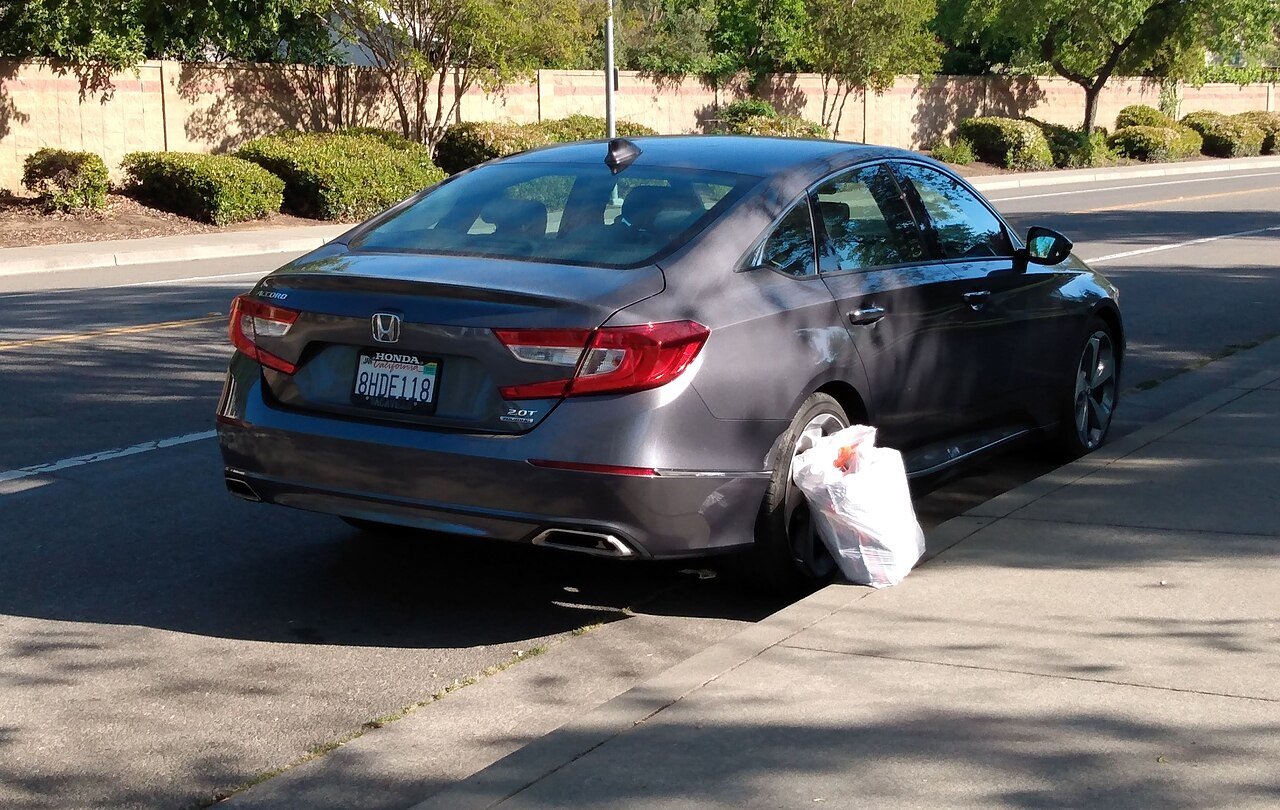
The Honda Accord has been a favourite family saloon in Nigeria for decades. Most buyers know the older models well: the simple engines, the easy parts, and the mechanics who have repaired them for years. From 2018, however, Honda introduced a newer generation that feels quite different. If you are considering a Honda Accord 2018 in Nigeria, or a later model, this guide explains what changed, what to check, and whether the newer car suits you better than an older one.
Honda Accord Touring (2018 model shown). Photo: Wikimedia Commons (see the file page for author and licence).
What Is Different About the Newer Accord?
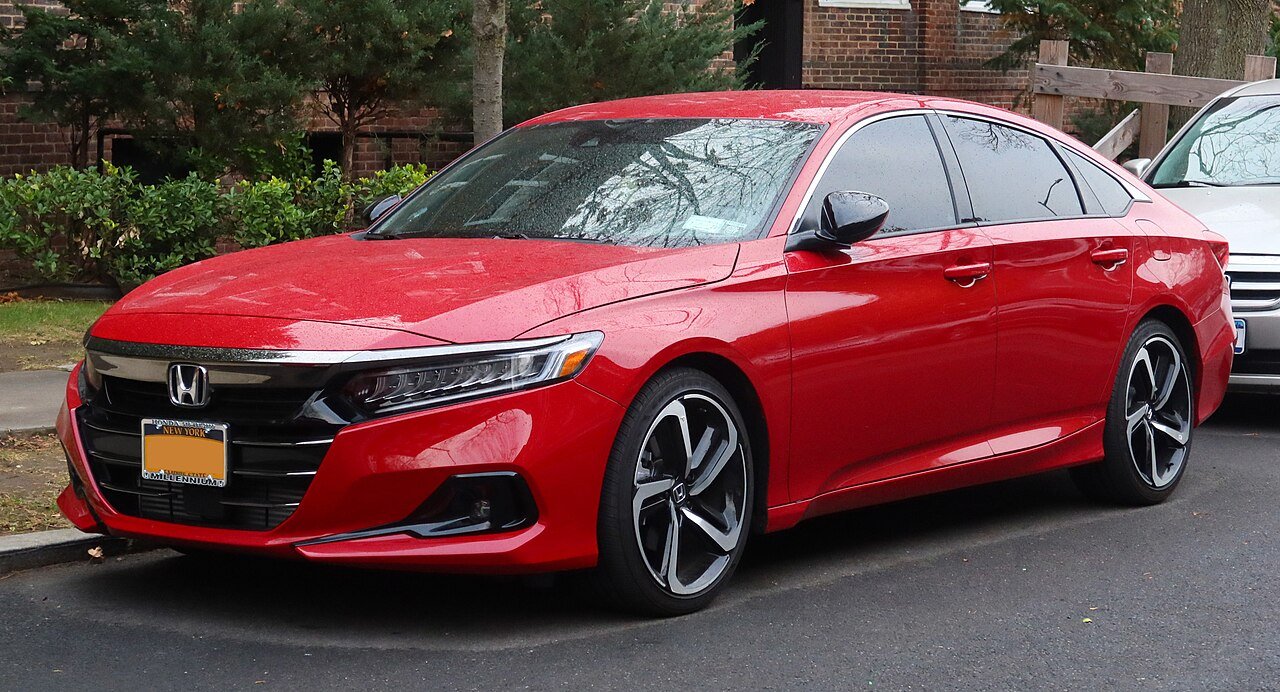
The newer generation looks sleeker, with a lower, more sporty shape and a more modern cabin. Under the bonnet, the biggest change is the move toward smaller turbocharged engines in many markets, replacing the larger naturally aspirated engines that many Nigerians are used to. Automatic transmissions are common, and hybrid versions also exist in some markets.
Inside, you will usually find a bigger touchscreen, more electronic controls, and more driver-assistance features than in an older Accord. These make the car pleasant to drive, but they also add complexity. The exact engine and gearbox depend on the market the car came from and the trim level, so never assume. Always confirm what is actually fitted to the specific car you are looking at.
Why Buyers Like It
Modern comfort: the cabin feels fresher and quieter than many older saloons.
Technology: screens, smartphone connection and safety aids are more advanced.
Smaller engines, strong feel: turbocharged engines are designed to feel lively while using less fuel than bigger engines of similar power.
Styling: it looks current and still turns heads on Nigerian roads.
The Main Concern: Turbo Engines Need Care
Turbocharged engines work harder and run hotter than simple naturally aspirated ones. This does not make them bad cars. It simply means they reward careful ownership and punish neglect. Generally speaking, newer turbo cars need:
Regular servicing on time, not “when I remember”.
Good quality engine oil and the correct grade for that engine.
Clean fluids and filters, including coolant and transmission fluid where recommended.
A mechanic who understands modern turbo and electronic systems, not only older engines.
Nigerian conditions add pressure: heat, traffic, stop-and-go driving, and fuel of uncertain quality. These conditions can be harder on a turbo engine than on a simple one, so maintenance habits matter even more.
Inspection Checklist Before You Pay
A thorough inspection is not optional with a newer Accord. Take the car to a trusted mechanic, ideally one who has worked on modern Hondas, and check the following.
Engine and oil
Ask about the service history and how often the oil was changed. Some small turbo engines have drawn general concerns from owners about fuel mixing with the engine oil, or higher than expected oil consumption. Not every car is affected, but it is sensible to check the oil level and condition, look for any warning messages, and ask the mechanic to listen for rough running, smoke or hesitation. Compare what you see with the car’s records, and ask Honda or an authorised service source whether any updates or recalls apply to that exact model and year.
Transmission
Many newer Accords use automatic gearboxes of a different design from older ones. During the test drive, look for jerking, delay when you press the pedal, shuddering at low speed, or unusual noises. Check the fluid condition if the mechanic can, and confirm the service history. For a step-by-step approach, read our guide on how to check a used car transmission before buying in Nigeria.
Air conditioning
The AC matters a great deal in Nigerian heat. Run it for several minutes at full cold and check that the air stays properly cool, that the fan works at every speed, and that there are no strange smells or noises from the compressor.
Infotainment and electronics
Test the touchscreen, reverse camera, Bluetooth, steering controls, power seats, windows, and every warning light on the dashboard. Repairing screens and control modules can be costly, so a faulty screen or a light that stays on should be treated seriously and priced into your offer, or be a reason to walk away.
Sensors and driver aids
Newer cars rely on many sensors and cameras. After accident repairs or windscreen replacement, these can stop working properly. Make sure parking sensors, cameras and any safety systems fitted actually work and show no fault messages.
Accident history and body
Look for uneven panel gaps, paint mismatch, overspray in the door frames, and signs of repaired airbags. Ask for the vehicle history where it is available, and be careful with cars that have been repaired heavily after a crash.
Honda Accord Sport, facelift (2021 model shown). Photo: Wikimedia Commons (see the file page for author and licence).
Paperwork and Parts
Confirm that the chassis number on the car matches the documents, and that customs papers, registration and proof of ownership are genuine and complete. Never pay in full before you are sure about this.
Also check parts availability before you buy. Ask local parts sellers and mechanics whether common items such as filters, brake parts, sensors and body panels for this generation are easy to find in Nigeria, and how long special orders take. Verify this yourself rather than relying on a seller’s promise, because availability can differ between trims and engine types. You can also look at the manufacturer’s official site, Honda, for general information about the model line.
Should You Buy a Newer Accord or an Older One?
The newer Accord is a good choice if you:
Want modern comfort, technology and safety features.
Can afford regular, proper servicing at a competent workshop.
Prefer a newer-looking car and plan to keep it in good condition.
An older Accord may suit you better if you:
Want the simplest possible engine and the cheapest repairs.
Rely on roadside mechanics who know older cars very well.
It can be, when it has been looked after. Reliability depends heavily on servicing, fluids, driving conditions and the history of the individual car. A well-maintained example with clean records is a far safer buy than a cheap one with gaps in its history.
Is a turbo engine a bad idea for Nigerian roads?
Not necessarily. Turbo engines are common in modern cars. They simply need good oil, timely servicing and a mechanic who understands them. If you cannot commit to that, an older simple engine may be less stressful.
What should I inspect first on a used 2018 or later Accord?
Start with the service history, then check the engine oil, gearbox behaviour on a test drive, the air conditioning, the electronics and signs of accident repair. Then confirm the paperwork and the availability of parts.
Conclusion
A Honda Accord 2018 or later offers comfort, style and modern features that older models cannot match. In return, it asks for more careful buying and more careful servicing. Inspect the engine, transmission, AC, electronics and sensors, check the accident history and paperwork, and confirm parts availability before you pay. Do that, and the newer Accord can be a rewarding family saloon on Nigerian roads.
Thinking of buying a Toyota Fortuner in Nigeria? Learn about space, ride, running costs, what to inspect and who it suits, compared with the Highlander and Prado.
Vehiclespot.ng is a leading car dealer in Nigeria, offering an innovative online automobile marketplace that connects buyers and sellers effortlessly. In addition to buying and selling vehicles, we provide a range of auto services designed to meet all your automotive needs.