Your brakes are the most important safety system on the car. Brake pads wear out gradually, and the signs are easy to miss if you do not know what to listen and feel for. This guide explains when to replace pads, what the warning signs mean and how to avoid a bigger repair bill.
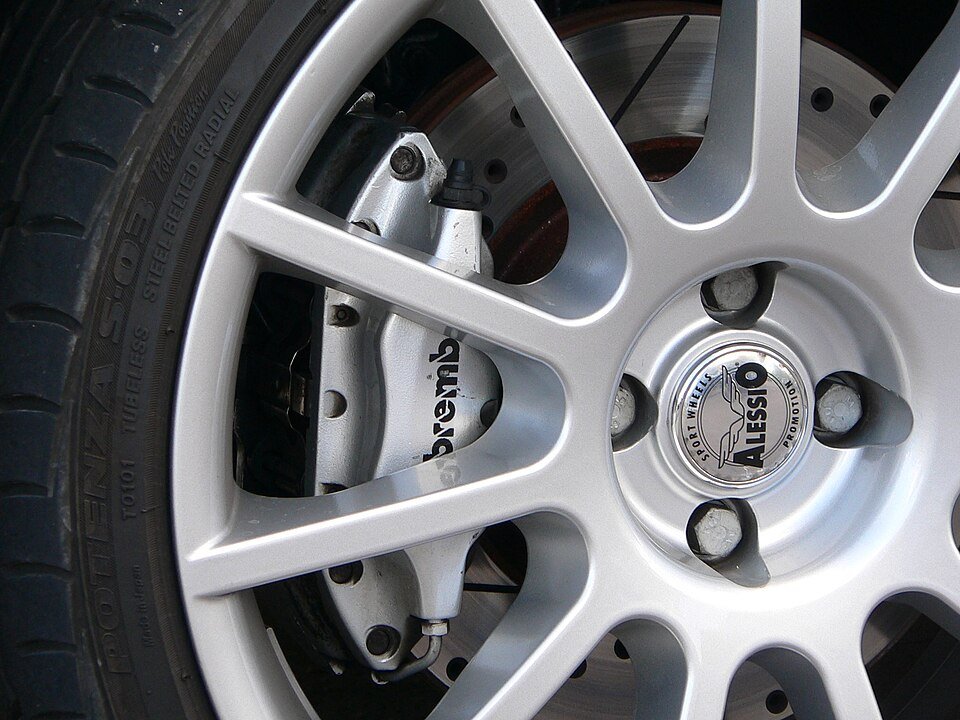
A car disc brake. Photo: Wikimedia Commons (see the file page for author and licence).
The 3 mm rule
The UK’s RAC says brake pads should be replaced when the friction material reaches 3 millimetres thick. Below that, braking performance and safety suffer. Many cars have a dashboard wear light that comes on at about that point, but not all do, so have the pads checked regularly if yours has no sensor.
Warning signs
Squealing. A high-pitched screech when braking means the pads need inspection or replacement.
Grinding. A harsh grinding sound usually means the pads are fully worn and metal is touching metal. The RAC advises not driving the car and getting the brakes checked as soon as possible.
Vibration or pulling to one side. This can point to uneven wear or a brake fault.
The RAC says pads typically last between 30,000 and 70,000 miles (roughly 48,000 to 110,000 km), depending on driving style, vehicle weight and pad type. Front pads usually wear faster than rear pads. In Lagos-style stop-and-go traffic and on hilly roads, expect wear toward the shorter end. Discs often outlast pads, but worn pads can damage them, which raises the repair cost.
Smart habits
Replace pads in axle sets, both front or both rear, not one side.
Ask the mechanic to measure the remaining thickness and show you the old pads.
Avoid riding the brakes downhill and keep a safe following distance.
Brake fluid absorbs moisture and loses effectiveness over time. Learn how often to replace it, what a spongy pedal means and why old fluid is a safety risk.
A five-minute fluid check can prevent overheating, brake problems and breakdowns. Learn how to check engine oil, coolant, brake fluid, transmission and washer fluid safely.
Hybrids still have engines, so most servicing is familiar, but brakes, batteries and cooling differ. Here is what changes and who should service your hybrid.
Vehiclespot.ng is a leading car dealer in Nigeria, offering an innovative online automobile marketplace that connects buyers and sellers effortlessly. In addition to buying and selling vehicles, we provide a range of auto services designed to meet all your automotive needs.