If your car bounces after every bump, dives when you brake or leans in corners, your shock absorbers may be worn out. On Nigerian roads, they work harder than in most countries. This guide explains the warning signs and what to do.
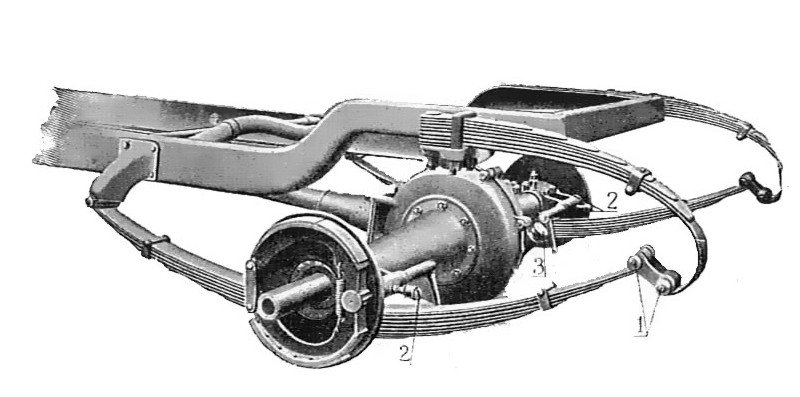
Suspension springs. Photo: Wikimedia Commons (see the file page for author and licence).
Seven warning signs
GEICO’s guide to shocks and struts lists these signs:
Constant up-and-down movement that makes the car feel unsettled at highway speed.
Leaning or wobbling toward the outside of sharp turns.
Excessive front-end dipping during hard braking.
The rear sagging while the front rises under hard acceleration.
Tyres that keep bouncing or clunking after bumps.
Wavy, uneven tyre wear instead of even tread wear.
Fluid leaking down the outside of a shock or strut, which indicates failed seals.
How long do they last?
GEICO says heavy use, such as rough roads or hauling heavy loads, may call for replacement at 40,000 to 50,000 miles (about 64,000 to 80,000 km) or sooner, while normal conditions may allow 75,000 to 90,000 miles. Because many Nigerian roads count as rough, plan for the earlier range and inspect regularly.
Why it matters
Worn units can increase stopping distances, especially on wet roads, and reduce control. They also speed up wear on tyres and other parts. Read about brake wear and pothole damage.
Push down on each corner of the car and see if it bounces more than once, and look for oily shocks. Our guide to checking suspension, steering and tyres has the full list.
Frequently asked questions
What is the difference between shocks and struts?
Both control suspension movement. Struts are also a structural part of the suspension on many cars. Ask your mechanic which your car has.
Can I drive with bad shocks?
You can, but braking and handling suffer, so replace them promptly.
Brake fluid absorbs moisture and loses effectiveness over time. Learn how often to replace it, what a spongy pedal means and why old fluid is a safety risk.
A five-minute fluid check can prevent overheating, brake problems and breakdowns. Learn how to check engine oil, coolant, brake fluid, transmission and washer fluid safely.
Hybrids still have engines, so most servicing is familiar, but brakes, batteries and cooling differ. Here is what changes and who should service your hybrid.
Vehiclespot.ng is a leading car dealer in Nigeria, offering an innovative online automobile marketplace that connects buyers and sellers effortlessly. In addition to buying and selling vehicles, we provide a range of auto services designed to meet all your automotive needs.