If you are shopping for a used compact SUV in Lagos, Abuja, Port Harcourt or anywhere else in Nigeria, two names come up again and again: the Toyota RAV4 and the Honda CR-V. Friends will swear by one, mechanics will defend the other, and sellers will tell you theirs is the best. The truth is that the Toyota RAV4 vs Honda CR-V question has no single winner. It depends on how you drive, where you drive and what you expect from a car over the next five years.
This guide gives you a plain, practical comparison. We keep it general on purpose, because exact figures change by model year, engine and condition. Where something is uncertain, we say so and suggest you confirm it with a trusted mechanic or the manufacturer.
What the RAV4 and CR-V have in common
Both cars sit in the same segment and were built for the same kind of buyer: a family or professional who wants a car-like drive with the higher seating position and flexible boot of an SUV. Both have been sold in many generations, so the used market in Nigeria offers plenty of choice across different years and trim levels.
Both are known globally for solid everyday usability and decent reputations for durability when maintained properly.
Both are commonly available as front-wheel drive and all-wheel drive versions, depending on year and market.
Both have large followings, so mechanics, spare parts sellers and used-car dealers in Nigeria know them well.
Both lose their value slowly compared with many rivals, though condition matters more than badge.
Space and comfort
Inside, the two feel different. Many owners find the CR-V cabin airy and practical, with a sensible rear seat and a boot that is easy to load. The RAV4 usually feels a little more rugged and upright, and later generations offer generous cargo room too. Neither is cramped for a family of four, and five adults can manage short trips.
Comfort depends heavily on the generation, the seat condition and the state of the suspension, so do not judge a car by its brand alone. Sit in the back seat, check the headroom if you are tall, and see how child seats fit if you have young children. A tired driver seat or sagging rear bench can make a good model feel poor.
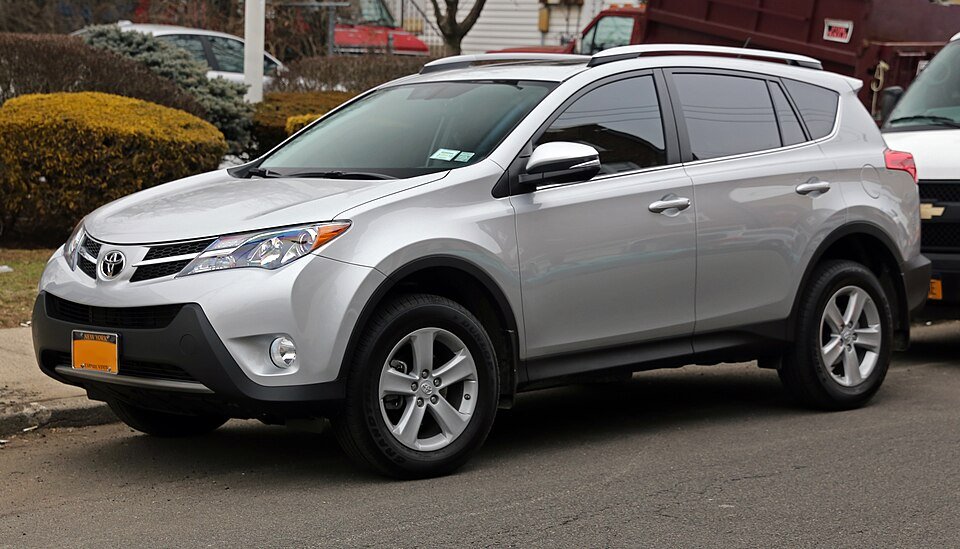
A Toyota RAV4. Photo: Wikimedia Commons (see the file page for author and licence).
Ride on bad roads and ground clearance
Nigerian roads test any car. Potholes, speed bumps without warning, flooded streets in the rainy season and rough roads outside the cities are part of daily life. Both SUVs sit higher than a normal saloon, which helps, but neither is a true off-roader. Treat them as comfortable crossovers, not bush machines.
In general terms, the RAV4 is often described as having a firmer, more planted feel, while the CR-V tends to be described as smooth and easygoing. These are general impressions, not test results, and they change with tyres, shock absorbers and age. What matters most on our roads is the condition of the suspension: worn bushes, tired shocks and damaged ball joints will make either car noisy and unpleasant. Always drive over a rough patch during your test drive and listen for knocks.
Engines and fuel use
Both models have been offered with petrol engines of different sizes across generations, and some markets received other options. For Nigerian buyers, the sensible approach is to focus on the specific engine in the car in front of you rather than the model name. Fuel use varies with engine size, gearbox, AWD or front-drive, traffic and your driving habits.
As a rule, smaller engines and front-wheel drive versions use less fuel than larger engines with AWD. Heavy Lagos traffic, constant air conditioning and a loaded boot all raise consumption. Ask the seller for honest real-world figures, then check them yourself over a few days of use. For a deeper look at running costs, read our comparison of Honda vs Toyota cost of ownership in Nigeria.
Reliability and servicing
Both brands have strong reputations, and that reputation is mostly earned by owners who service their cars on time. A neglected RAV4 can be as troublesome as a neglected CR-V. Look for evidence of regular oil changes, gearbox fluid service, coolant changes and brake work. Cars that arrive with missing history deserve extra caution.
Some generations of either car have known weak points, such as oil consumption on certain engines or gearbox complaints on certain years. We will not guess which years, because it differs by engine and market. Ask a trusted mechanic who works on these cars daily, and check the manufacturer’s information on Toyota’s official site or Honda’s official site for the model you are considering.
Parts and mechanics in Nigeria
This is where both cars shine. Toyota parts are very widely stocked, and many independent mechanics have worked on RAV4s for years. Honda parts are also easy to find in the major markets, and CR-V specialists exist in most big cities. Common service items like filters, brake pads, belts and many suspension parts are generally easy to source for both.
The difference shows up in smaller towns and for less common parts. Toyota’s wider spread can make it slightly easier to get help outside big cities, though this is a general observation, not a rule. Whichever you choose, find a mechanic you trust before you buy, and ask what parts for your exact year are likely to cost and how long they take to arrive.
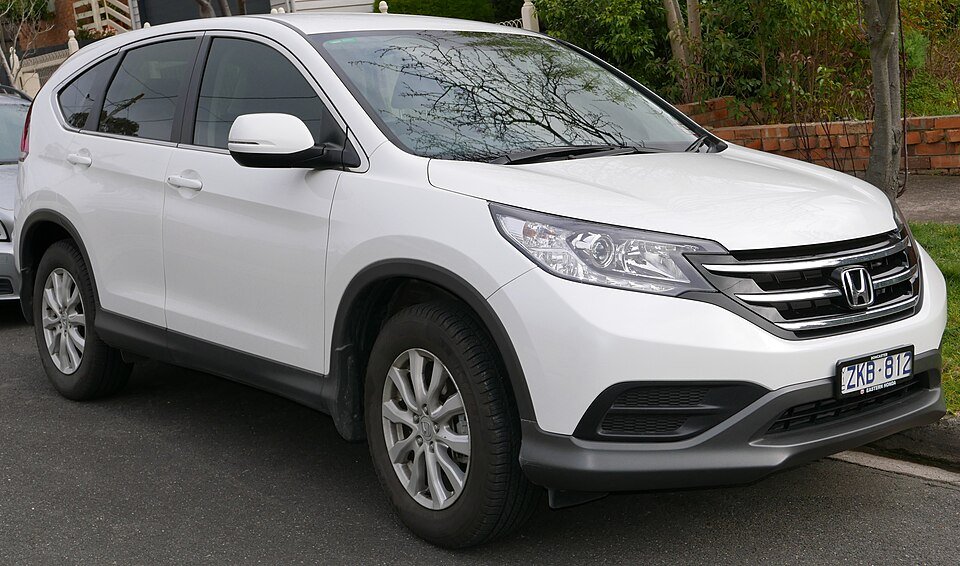
A Honda CR-V. Photo: Wikimedia Commons (see the file page for author and licence).
Resale value
Both hold value better than many competitors because demand stays steady. Buyers recognise the names and trust them. The RAV4 is often seen as the easier one to sell quickly, while a clean, well-documented CR-V also finds buyers without much trouble. In both cases, resale depends more on condition, mileage honesty, accident history and paperwork than on the badge. A tidy car with full records will always sell faster than a neglected one.
Toyota RAV4 vs Honda CR-V at a glance
Area
Toyota RAV4
Honda CR-V
Cabin feel
Upright, sturdy, practical
Airy, easygoing, practical
Ride
Often described as firmer
Often described as smoother
Fuel use
Depends on engine and drive type
Depends on engine and drive type
Parts availability
Very wide
Good in major cities
Mechanic support
Very wide
Good, many specialists
Resale
Strong, quick to sell
Strong with good records
Best for
Rough roads, wide support
Comfort, family use
Which suits which buyer?
Family with young children: The CR-V is often a comfortable fit because of its easy loading and relaxed ride, but sit in both before deciding.
Frequent travel outside the cities: The RAV4’s wide support network may give you peace of mind on long routes.
Ride-hailing or business use: Choose whichever has the best service history and a mechanic nearby. Running costs matter more than brand here.
Buyers planning to resell soon: Pick the cleanest example with full documents, whichever badge it wears.
Whichever you pick, inspect it carefully. Our used car inspection guide covers the basics, and this checklist focuses on these two models.
VIN and history: Match the VIN on the body, dashboard and papers. Ask for service records and any available history report. Be careful with cars that have gaps in their story.
AWD system: If the car is AWD, listen for whining or binding during slow tight turns. Ask the mechanic to check the rear differential and transfer case fluid.
Suspension: Look for leaking shocks, worn bushes and uneven tyre wear. Drive over bumps and listen for knocks.
Air conditioning: It should blow cold within a few minutes and stay cold in traffic. Weak cooling can mean an expensive repair.
Gearbox: Check for smooth shifts, no slipping, no harsh jerks and no delay when moving from Park to Drive.
Engine and scan: Use a proper diagnostic scan to read stored faults. Our guide on how to check a used car engine explains what to look and listen for.
Body and flood signs: Check for fresh paint, mismatched panels, damp carpets and rust in unusual places.
Common mistakes to avoid
Buying on badge loyalty without driving both cars.
Skipping the independent mechanic inspection to save time.
Trusting a clean exterior and ignoring the service history.
Choosing AWD when you will never use it, then paying for the extra complexity.
Ignoring small faults, such as warning lights, because the seller says they are nothing.
Failing to check that paperwork and customs documents are genuine and match the car.
Frequently asked questions
Is the RAV4 better than the CR-V in Nigeria?
Neither is better in every case. The RAV4 often has an edge in parts reach and resale speed, while the CR-V is often praised for comfort. The condition of the individual car matters most.
Which one is cheaper to maintain?
Both are generally affordable to maintain when kept in good shape. Costs vary by year, engine and mechanic, so ask a trusted mechanic for a realistic estimate on the exact car.
Should I buy an AWD version?
Only if you need it. AWD helps in wet or loose conditions, but it adds components that need checking and servicing. For mostly city use, a front-wheel drive version may be enough.
Can I rely on a seller’s claim of low mileage?
Not on its own. Compare the odometer with service records, wear on pedals and seats, and the overall condition of the car.
Verdict
The Toyota RAV4 vs Honda CR-V choice comes down to priorities. Pick the RAV4 if you want wide parts support, a sturdy feel and easy resale. Pick the CR-V if you value a relaxed ride and practical cabin. In both cases, a well-maintained example with honest history beats a cheaper, neglected one. Test drive both, bring a mechanic, scan the car and take your time. The right SUV is the one that has been looked after.
Highlander or RAV4? We compare size, seating, fuel use, running costs and bad-road comfort so you can pick the right Toyota SUV for Nigerian roads and your household.
Civic or Accord? We compare size, comfort, fuel use, parts, running costs and resale from a Nigerian buyer's point of view, and explain which one suits which kind of driver.
Vehiclespot.ng is a leading car dealer in Nigeria, offering an innovative online automobile marketplace that connects buyers and sellers effortlessly. In addition to buying and selling vehicles, we provide a range of auto services designed to meet all your automotive needs.