Few things spoil a drive like seeing steam rise from under the bonnet in the middle of Lagos traffic or on a long highway stretch. Car overheating is one of the most common breakdowns on Nigerian roads, and it is also one of the most expensive if you ignore it. The good news is that most cases start small, and what you do in the first minute matters a great deal. This guide explains the causes, the safe steps to take immediately, and a simple routine to keep your engine cool.
Why Car Overheating Is So Serious
Your engine burns fuel to make power, and a lot of that energy turns into heat. The cooling system, made up of coolant, radiator, hoses, thermostat, water pump and fan, carries that heat away. When any part fails, temperatures rise quickly. Metal parts can warp, gaskets can fail and, in the worst case, the engine can seize. Driving even a short distance with a very hot engine can turn a small repair into a major one.
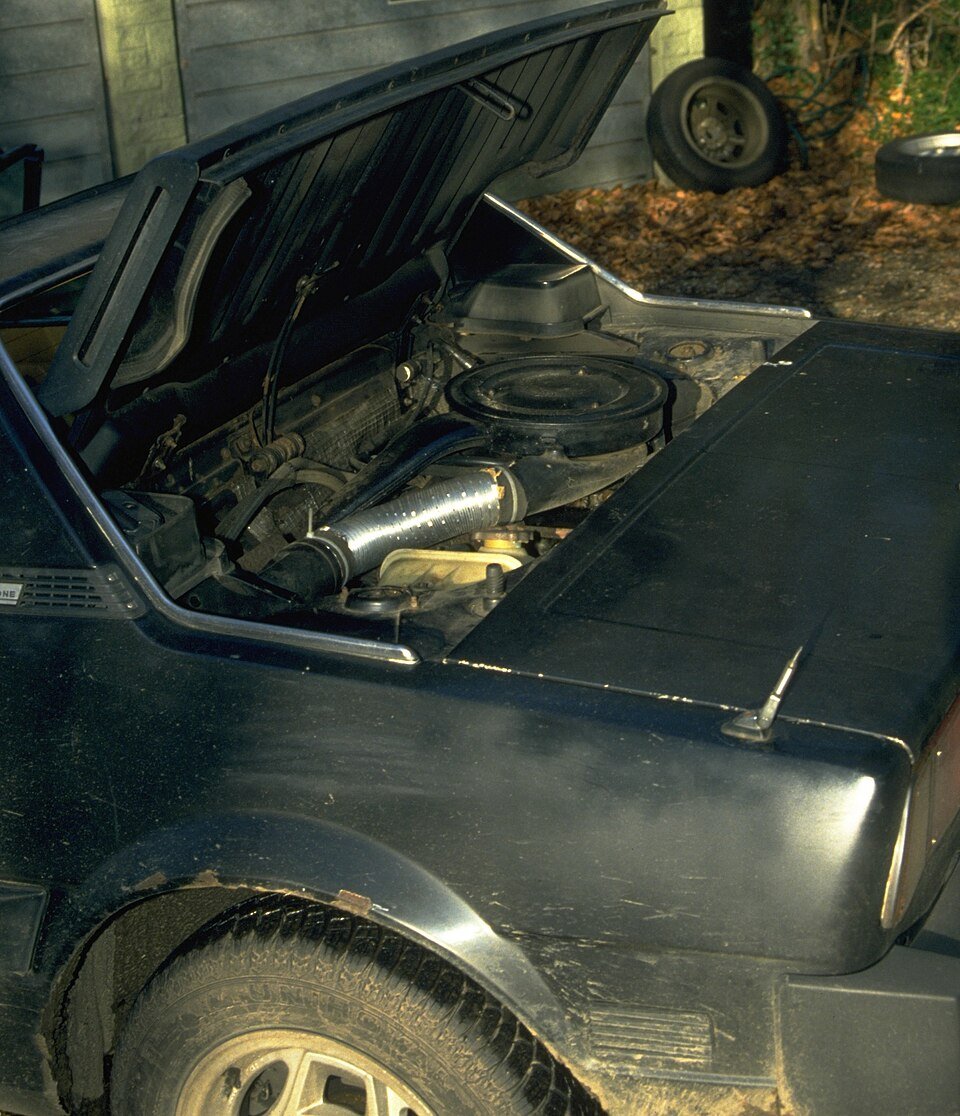
An engine bay, where the radiator, hoses and coolant reservoir live. Photo: Wikimedia Commons (see the file page for author and licence).
Warning Signs You Should Never Ignore
The temperature gauge climbing above its normal middle position.
A temperature warning light on the dashboard.
Steam or white vapour coming from under the bonnet.
A sweet, syrupy smell, which is often leaking coolant.
The engine losing power or making unusual knocking sounds.
The heater blowing cold air even though the engine is warm.
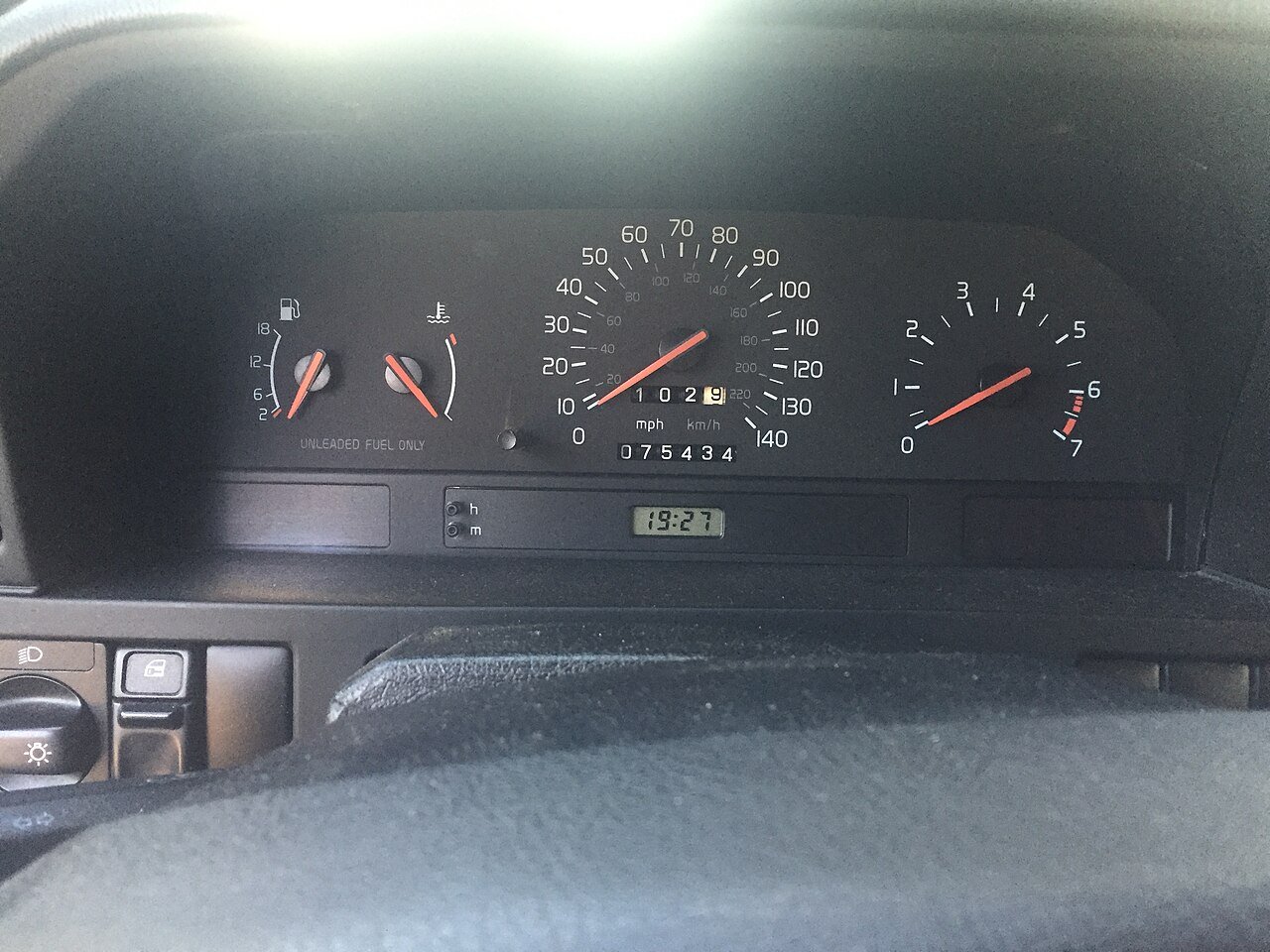
Get into the habit of glancing at the temperature gauge and warning lights. Photo: Wikimedia Commons (see the file page for author and licence).
What to Do Immediately When Your Car Overheats
Stay calm and act in this order. Safety comes first, for you and for other road users.
Switch off the air conditioner. The AC puts extra load on the engine, so turning it off reduces heat straight away.
Turn the heater on to full. It sounds odd on a hot day, but the heater core pulls heat from the engine and blows it into the cabin. Open the windows and bear it for a few minutes.
Pull over safely. Signal, move to a safe spot away from traffic, use your hazard lights and park on firm, level ground if you can. Do not stop suddenly in a live lane.
Switch off the engine. If you are stuck in traffic and cannot move, put the car in neutral or park and keep the engine at a gentle idle only if the gauge is not rising. If it is still climbing, switch off.
Do not open the bonnet straight away. If you see steam, wait until it stops. Open the bonnet carefully from a side position to let heat escape.
Wait for the engine to cool. This usually takes at least 30 minutes, often longer in hot weather. Be patient.
Never Open a Hot Radiator Cap
This is the most important safety rule. The cooling system is under pressure when hot, and opening the radiator or coolant cap can spray boiling liquid and steam onto your face and hands, causing serious burns. Only touch the cap when the engine is completely cool and the hose feels cool to the touch. Even then, cover the cap with a thick cloth and turn it slowly.
Checking Coolant Once the Engine Is Cool
When everything has cooled, look at the coolant reservoir (the translucent plastic bottle). The level should sit between the minimum and maximum marks. If it is low, top up with the correct coolant mixed as your car manual recommends. In an emergency, clean water can get you to a workshop, but it is only a short-term fix, because plain water does not protect against corrosion or boiling as well as proper coolant. Have the system checked soon after.
When to Call a Mechanic or Tow
The coolant level keeps dropping or you can see a leak underneath the car.
The car overheats again soon after topping up.
You see white smoke from the exhaust or milky oil on the dipstick or oil cap.
A hose looks split or the fan does not spin at all.
In any of these cases, do not keep driving. A tow costs far less than a ruined engine.
Common Causes of Car Overheating
1. Low Coolant
The simplest cause. Coolant slowly gets used up or leaks out, and without enough of it the engine cannot shed heat. Always suspect this first.
2. Leaks
Cracked hoses, loose clamps, a damaged radiator or a worn cap can all let coolant escape. Look for puddles under the car, crusty residue on hoses, or a sweet smell after driving.
3. A Stuck Thermostat
The thermostat opens to let coolant flow once the engine warms up. If it sticks closed, coolant cannot circulate and the engine overheats quickly, often with a very hot upper radiator hose.
4. Radiator Fan Problems
The fan pulls air through the radiator when you are moving slowly or stopped. If it fails because of a bad motor, fuse or relay, the car may run fine on the highway but overheat in traffic.
5. A Failing Water Pump
The water pump pushes coolant around the engine. Leaks from the pump, whining noises or a loose pulley are warning signs. On many engines it is driven by the timing belt, which is why mechanics often suggest replacing the timing belt and water pump together.
6. A Blocked Radiator
Rust, scale and old coolant can clog the inside of the radiator, while dirt, insects and leaves can block the outside fins. Either way, heat cannot escape properly.
7. A Blown Head Gasket
This is the serious one. A failed head gasket can let combustion gases into the coolant or coolant into the oil. Signs include white exhaust smoke, bubbling in the coolant reservoir, and milky oil. It needs a professional diagnosis.
8. Heavy Traffic and Hot Weather
Long go-slow periods with little airflow, combined with high temperatures, put extra strain on the cooling system. A healthy system copes, but a weak one shows its problems here first.
9. The Wrong Coolant Mix
Using only water, or the wrong coolant type or ratio, reduces the system’s ability to handle heat and protect against corrosion. Follow your owner’s manual for the right type and mix.
Do not keep driving “just a little further” with the gauge in the red.
Do not open the radiator cap or coolant cap while hot.
Do not pour cold water onto a hot engine, as sudden cooling can crack metal.
Do not switch off the engine and walk away without checking for leaks later.
Do not ignore it because the temperature “went back to normal”. The cause is still there.
Do not rely on stop-leak additives as a permanent repair.
Frequently Asked Questions
Can I drive a car that is overheating?
No. Continuing to drive risks serious and costly engine damage. Pull over safely, switch off and let it cool. If you cannot find the cause, call a mechanic or a tow service.
How long should I wait before checking the coolant?
Wait until the engine is fully cool, which usually takes at least 30 minutes and sometimes longer. If the upper radiator hose is still hot to the touch, keep waiting. Never open the cap while it is hot.
Is it okay to use water instead of coolant?
Only as a short emergency measure to reach a workshop. Water alone does not protect against corrosion or boiling as well as a proper coolant mix, so have the system corrected as soon as possible. For general vehicle safety information, the NHTSA website is a useful authoritative resource.
Conclusion
Car overheating is frightening, but it does not have to end in disaster. Turn off the AC, turn on the heater, pull over safely, switch off and wait before touching anything under the bonnet. Most importantly, never open a hot radiator cap. Then check the coolant when cool and decide honestly whether you can continue or need a mechanic. With regular checks, the right coolant and timely servicing, you can avoid most overheating problems and keep your car dependable on Nigerian roads.
Is a used Honda Accord a smart buy on Nigerian roads? This guide covers reliability, common problem areas, engine choices and a practical inspection checklist.
Vehiclespot.ng is a leading car dealer in Nigeria, offering an innovative online automobile marketplace that connects buyers and sellers effortlessly. In addition to buying and selling vehicles, we provide a range of auto services designed to meet all your automotive needs.