Most drivers know to change engine oil, but few know brake fluid also wears out. Old fluid reduces stopping power and can corrode the brake system. This guide explains when to replace it and which signs to watch for.
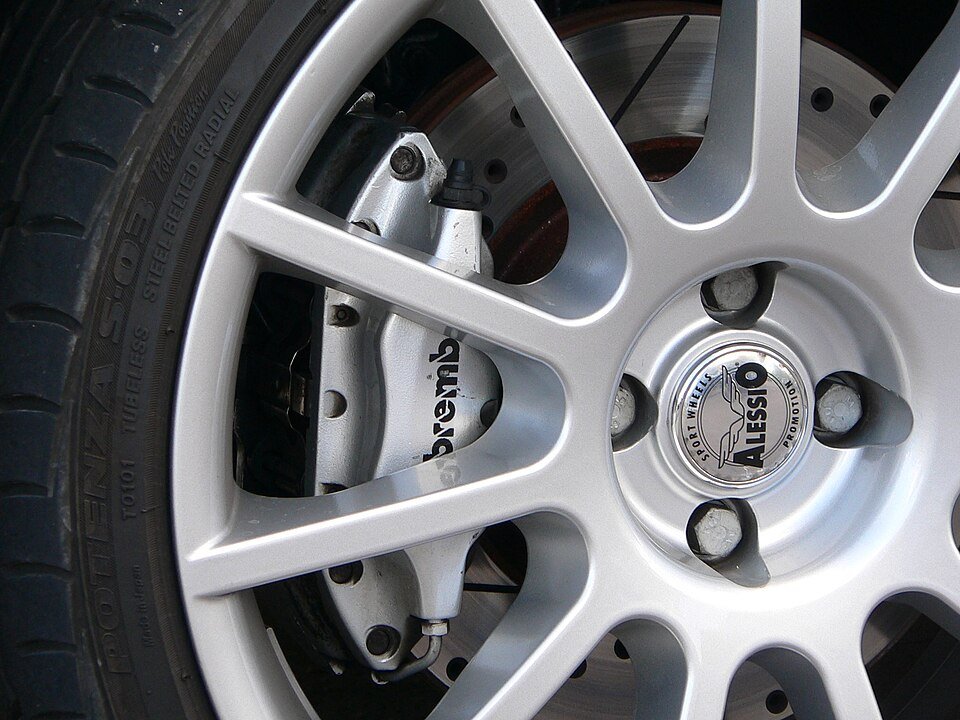
A car disc brake. Photo: Wikimedia Commons (see the file page for author and licence).
Why brake fluid needs replacing
Brake fluid degrades with time. eBay Motors’ guide explains that if moisture gets into the fluid, it can leave the brake pedal feeling mushy, and degraded fluid can also corrode the system. In a humid climate such as coastal Nigeria, this matters.
How often?
The guide suggests replacing it every 30,000 to 45,000 miles (roughly 48,000 to 72,000 km) or every two to three years. Always follow your owner’s manual, which gives the exact interval and fluid type for your car. Typical specifications are DOT 3, DOT 4 or DOT 5.1, and the guide says to confirm the type in your manual.
Warning signs
A soft or spongy brake pedal.
Longer stopping distances.
A burning smell when braking, which can indicate overheating.
Many of these can also come from other brake faults, so the system needs a proper inspection. Read what to do when car brakes fail.
How to check the fluid
Find the reservoir under the bonnet, check the level against the marks and look at the colour. Fresh fluid is amber, and it darkens to brown as it ages. Our guide on how to check your car’s fluids shows the safe method. If the level is low, do not just top it up; low fluid can mean worn pads or a leak. See when to replace brake pads.
Who should do the job?
Replacement involves bleeding the brake lines to remove all air, and mistakes are dangerous. The guide estimates about $70 to $150 at a repair shop versus $20 to $70 DIY in the US. In Nigeria, prices differ, so ask for a written quote and use a reputable workshop. See how to find a trustworthy mechanic. Use the visit to inspect the pads, discs, hoses and lines.
Frequently asked questions
Can I mix brake fluid types?
Use only the type the manual specifies. Do not mix DOT 5 with other types.
Is old brake fluid dangerous?
It can reduce braking performance and corrode parts, so do not delay replacement.
A five-minute fluid check can prevent overheating, brake problems and breakdowns. Learn how to check engine oil, coolant, brake fluid, transmission and washer fluid safely.
Hybrids still have engines, so most servicing is familiar, but brakes, batteries and cooling differ. Here is what changes and who should service your hybrid.
Level 1, Level 2 and DC fast charging differ hugely in speed and cost. Understand them before you buy an electric car or install a home charger in Nigeria.
Vehiclespot.ng is a leading car dealer in Nigeria, offering an innovative online automobile marketplace that connects buyers and sellers effortlessly. In addition to buying and selling vehicles, we provide a range of auto services designed to meet all your automotive needs.